

What to visit
Patrimony
Chapel of São João E Senhor Dos Aflitos

To save the location as a favorite, you need to have an account
LoginNew around here? Let s go create an account
Description
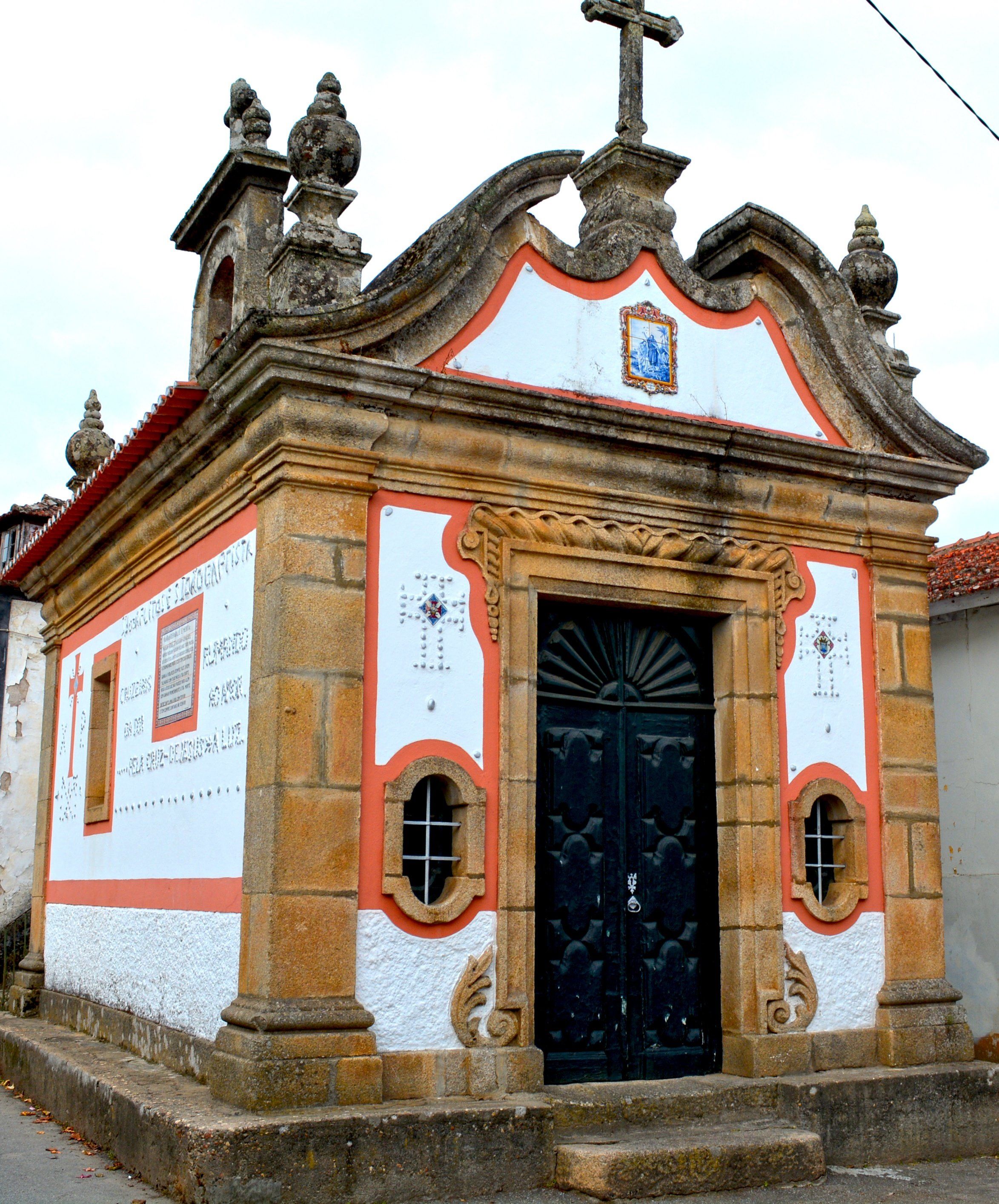
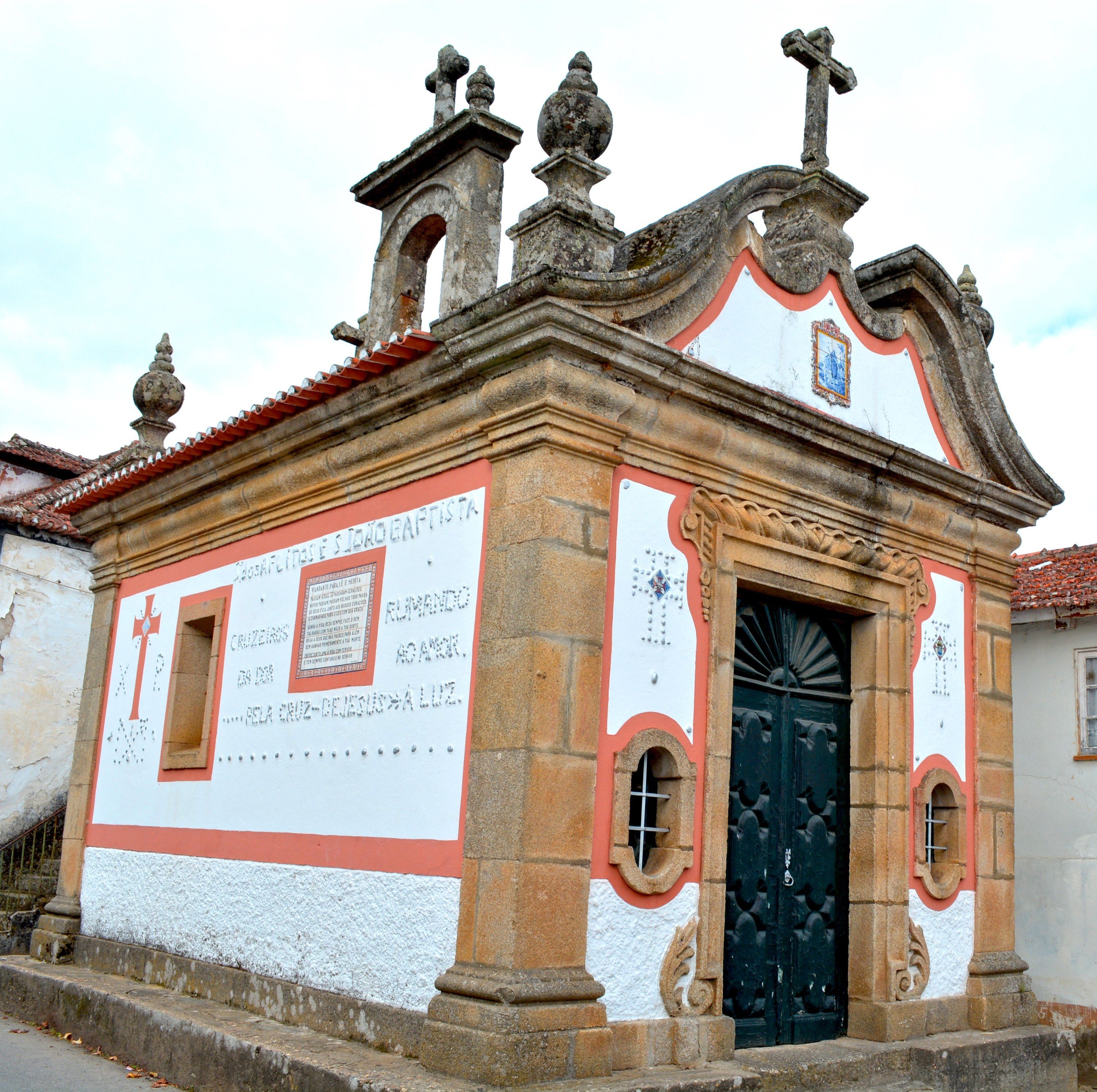
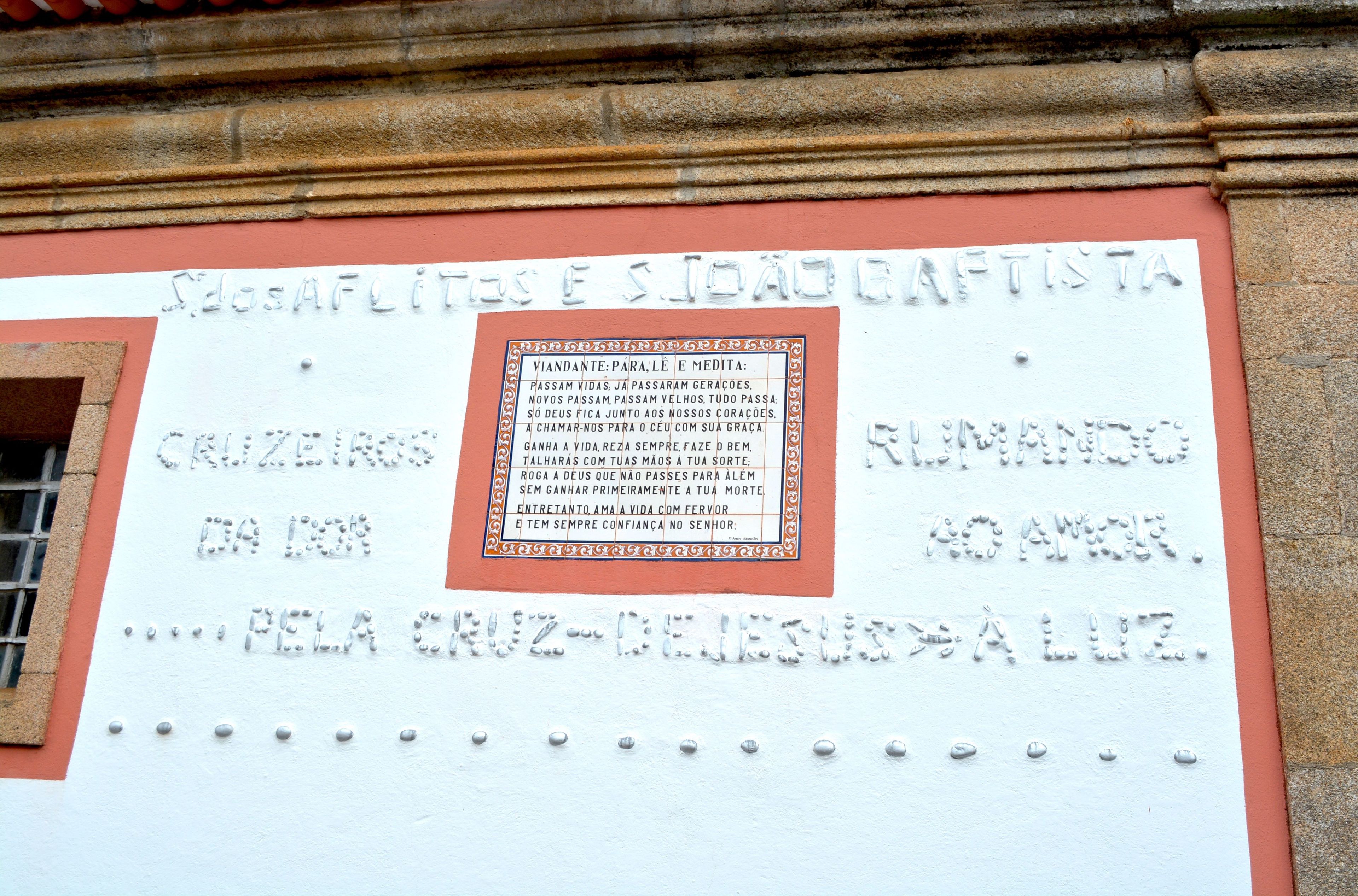
This rectangular building, dating from the late 18th and early 19th centuries, is built on a stone platform that makes it stand out from the Largo do Senhor, where it is located. The main façade is crowned with a curved, interrupted pediment, culminating in a cushioned cross with floriated tops - similar to the one at the back - and the chapel is punctuated by globular pinnacles on the four gable ends. A granite bell with a turned cross rests on the left eaves of the roof and the interior is naturally lit by a side window with a moulded frame. The white paintwork, with tile-colored friezes and crosses, as well as the epigraphic decoration made with pebbles painted grey, detract from the building's elegance and sobriety. The interior, sheltered by a wooden ceiling - polychrome in greys, blues, sepias and reds, with baroque moldings and garlands - is dominated by a baroque carved altar, in which the gilding is complemented by colorful marbling in sepias, blues, greens, pinks and salmon. The cross from the original devotion to the Lord of the Afflicted now occupies a prominent place on the altar. The granite cross, which was originally in the open air, is now in a prominent place, painted with the image of the Lord and the Souls in Purgatory at its feet. In addition to the four ex-votos displayed on the walls, the chapel has an iconographic heritage worthy of note, including: a Saint Benedict transformed into Saint Anthony, in painted wood, from the 18th century; a Saint Lucy from the late 17th or early 20th century. 17th or early 18th century; an 18th century St. Roque and Our Lady of Lapa - all three in painted and upholstered wood - two 19th and 20th century St. Johns and a small oratory image of St. Anne.


