

What to visit
Patrimony
Nossa Senhora Da Purificação Benedict Convent

To save the location as a favorite, you need to have an account
LoginNew around here? Let s go create an account
Description
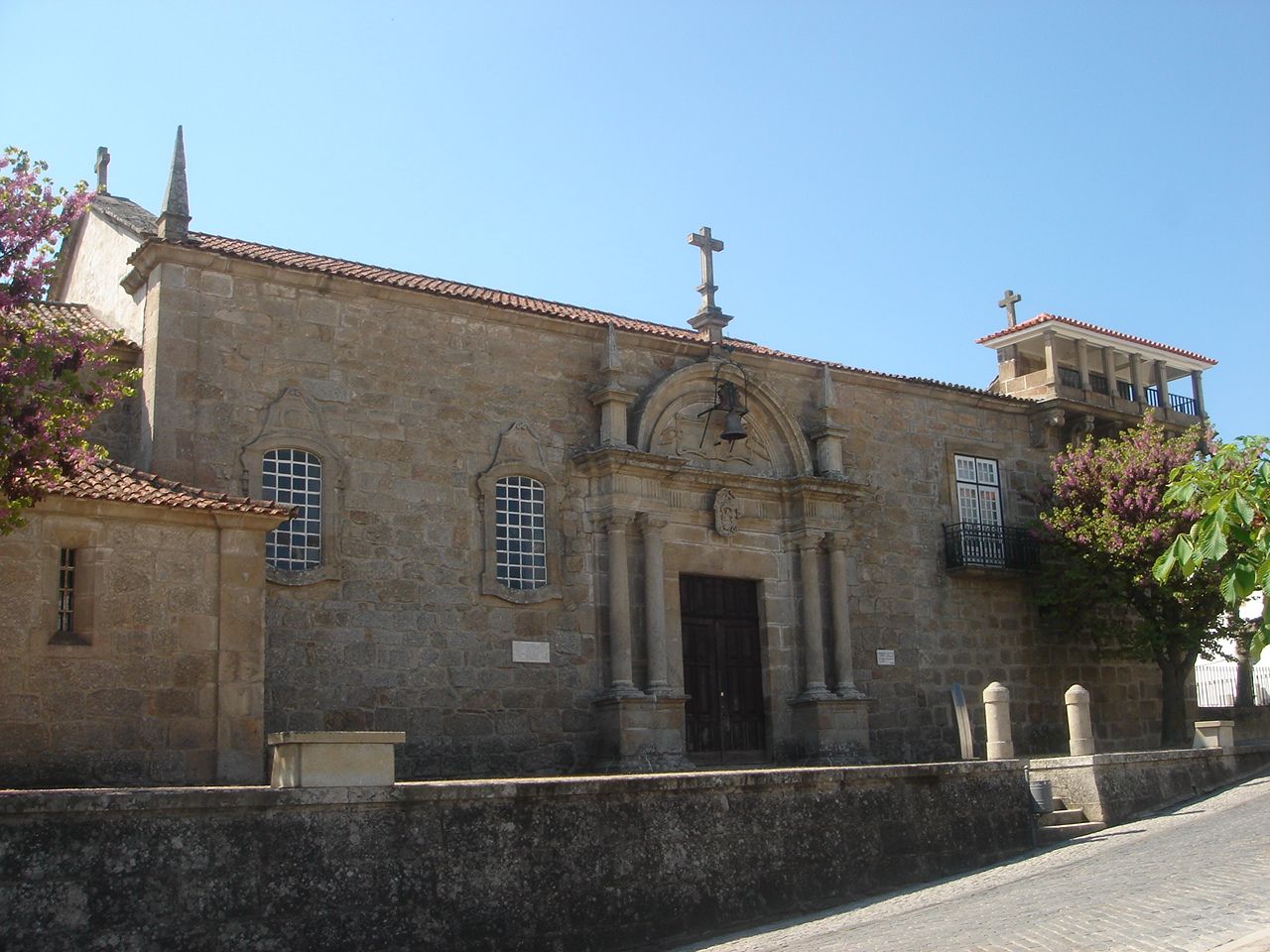
A cloistered women's convent has been classified as a "Monument of Public Interest" since January 7, 2013, the day the classification process promoted by the municipality was published in the Diário da República.
The decree was signed by the Secretary of State for Culture, Jorge Barreto Xavier. The design of the building, from an architectural, urban and landscape point of view, was considered "relevant", as was its aesthetic value and symbolic and religious testimony. The convent was founded at the end of the 16th century (1596) by Abbot Fernão Mergulhão, receiving the privileges of the Benedictine Congregation of St. Martin of Tibães a year later, in 1597, by papal bull.
When the convent community ceased to exist in 1812, the church passed into the possession of the parish, becoming the parish church in 1863, and the rest of the building and fence were acquired by Rodrigues Sarmento.
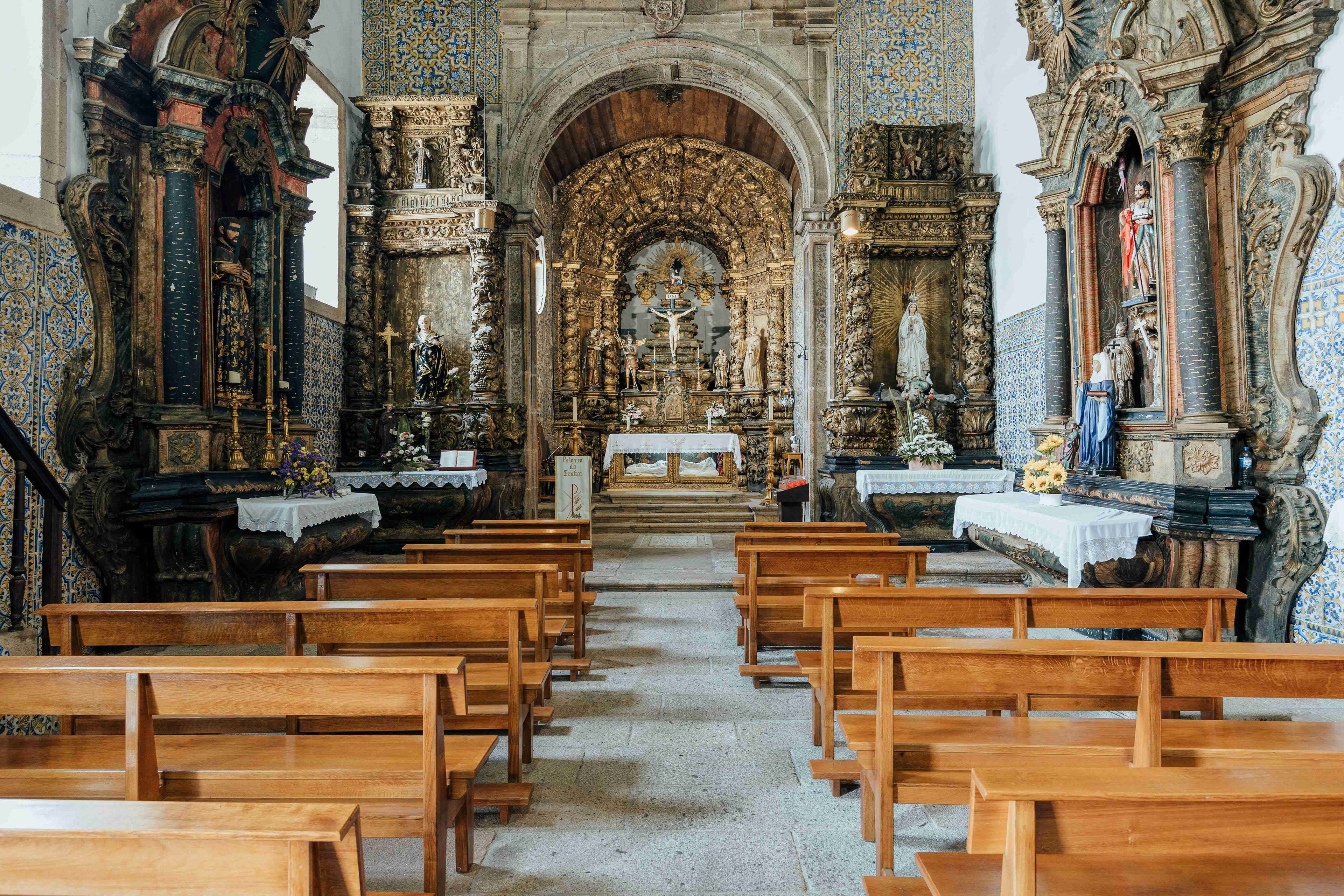
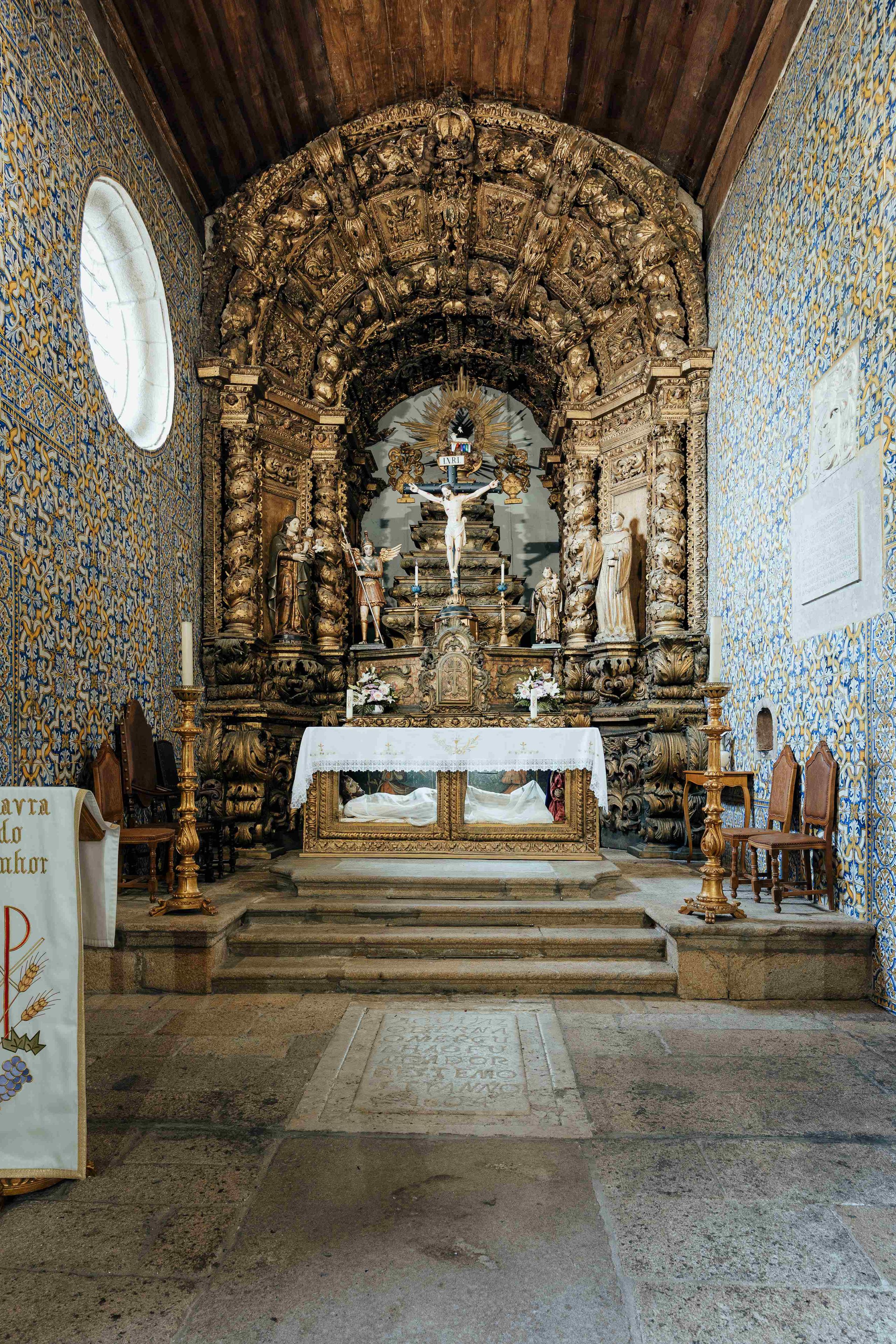
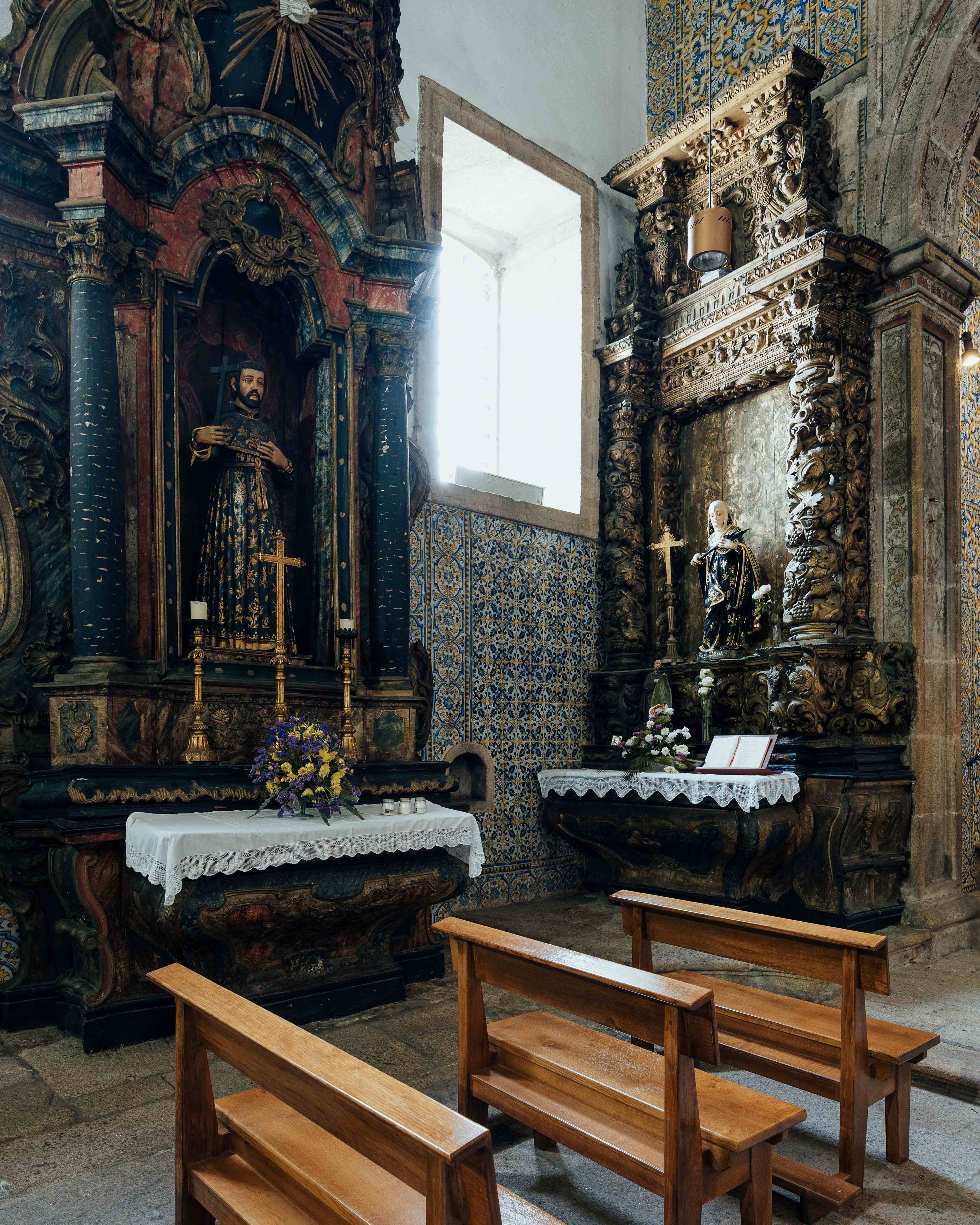
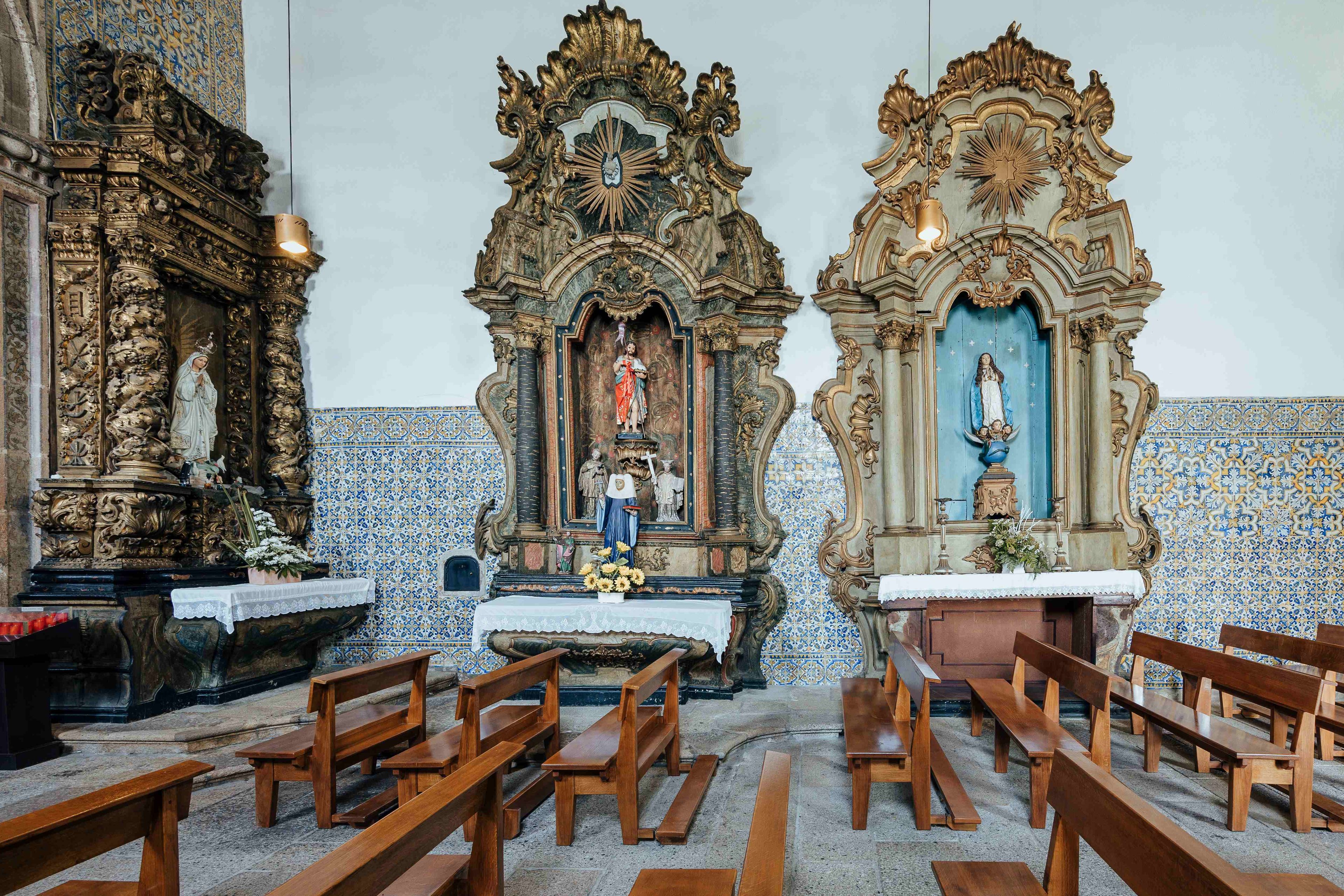
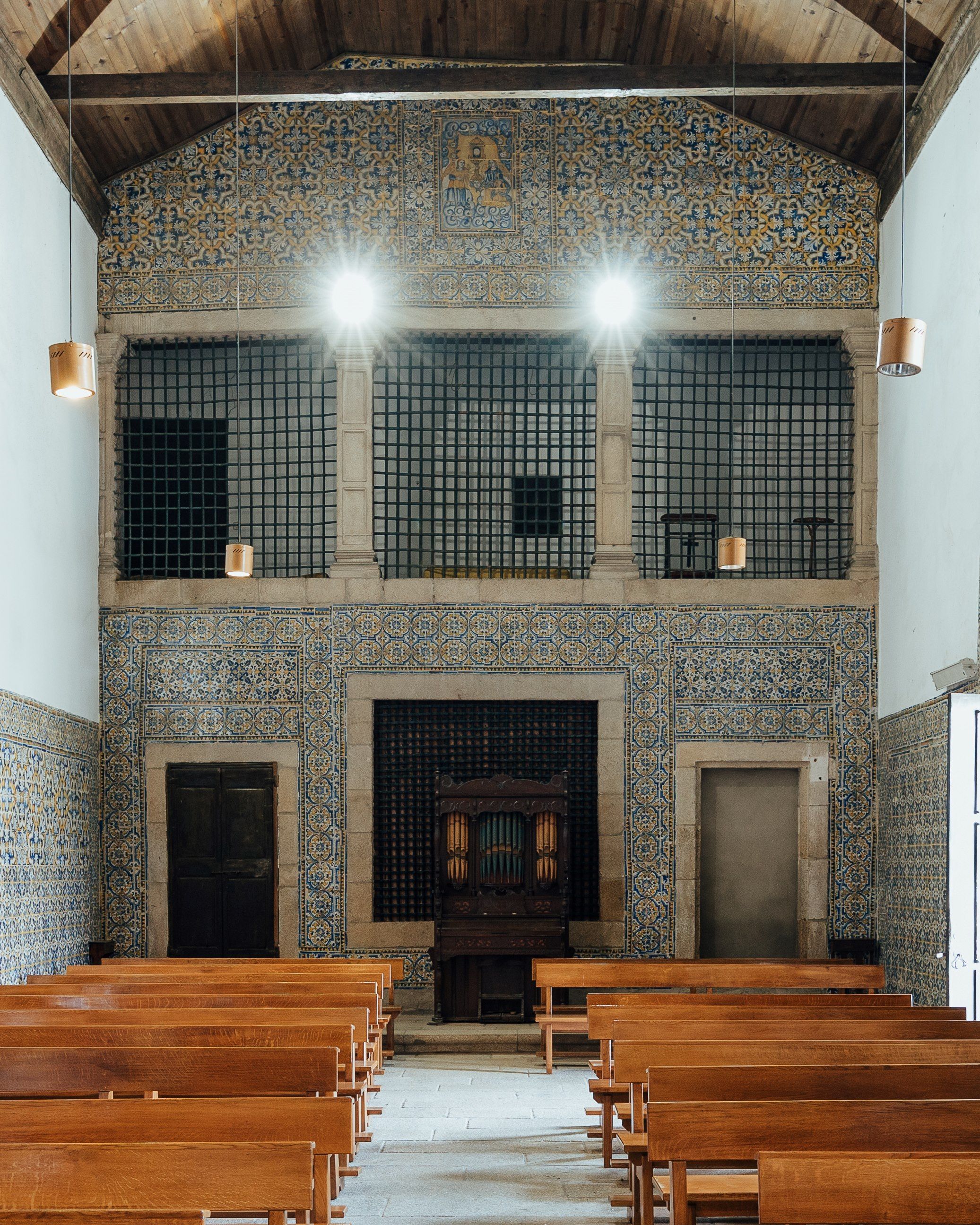
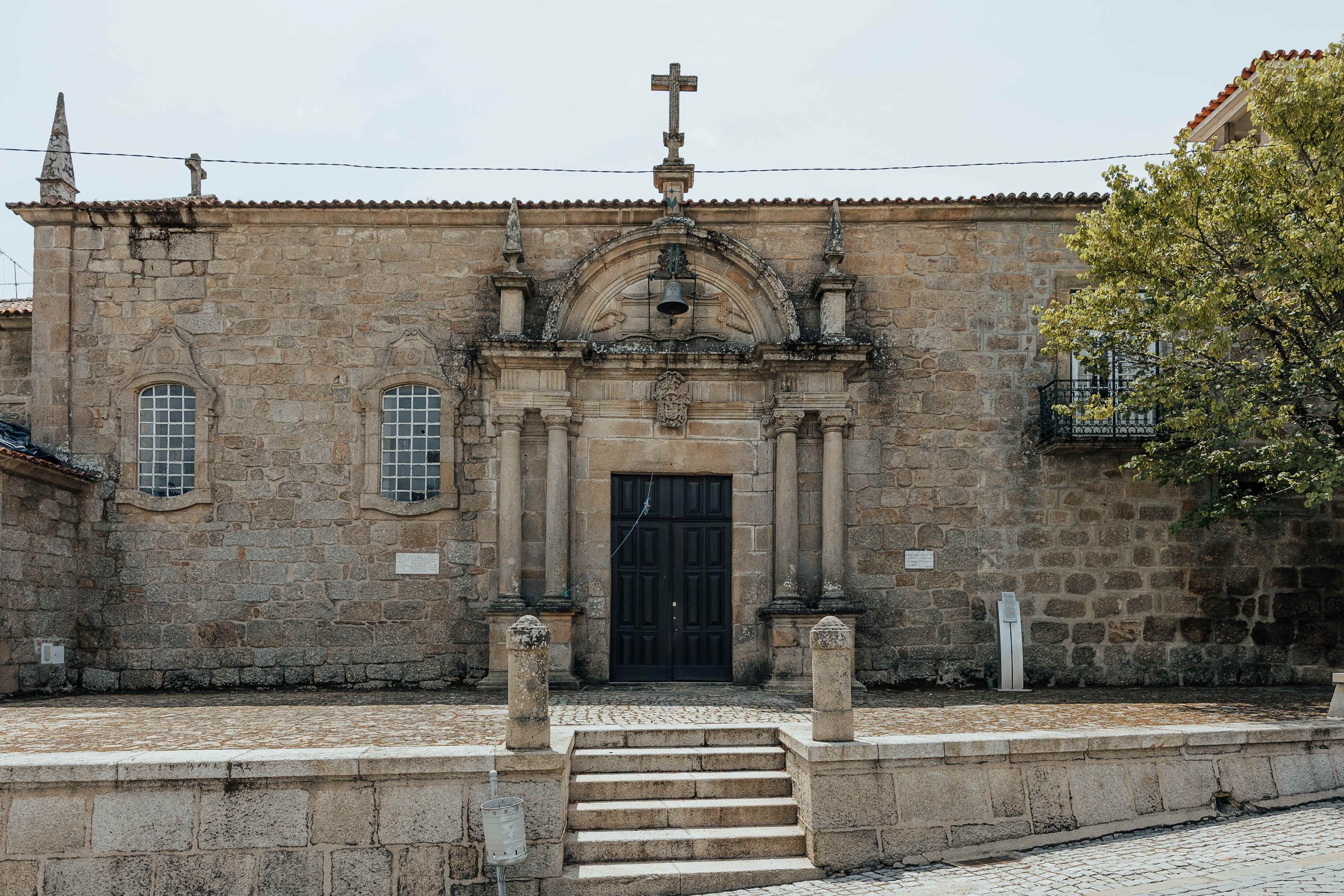
The church, with its Mannerist structure, stands out for its erudite main portal, with its double Ionic columns and semicircular pediment, and the balcony-mirantena on the main façade, supported by voluminous volutes. The interior retains a high degree of integrity and authenticity, with many Baroque elements, especially in the decorative program, with altars in the National and Rococo styles and carpet-type tile coverings. It retains the barred upper and lower choir, originally built for the exclusive use of the nuns.
The building stands out for its constructive quality, size and sobriety. The listed area also includes the agricultural support buildings that link the manor house to the rural world in which it was located, as well as the garden and orchard, which remain recreational spaces and a buffer to the residential area.


