

What to visit
Patrimony
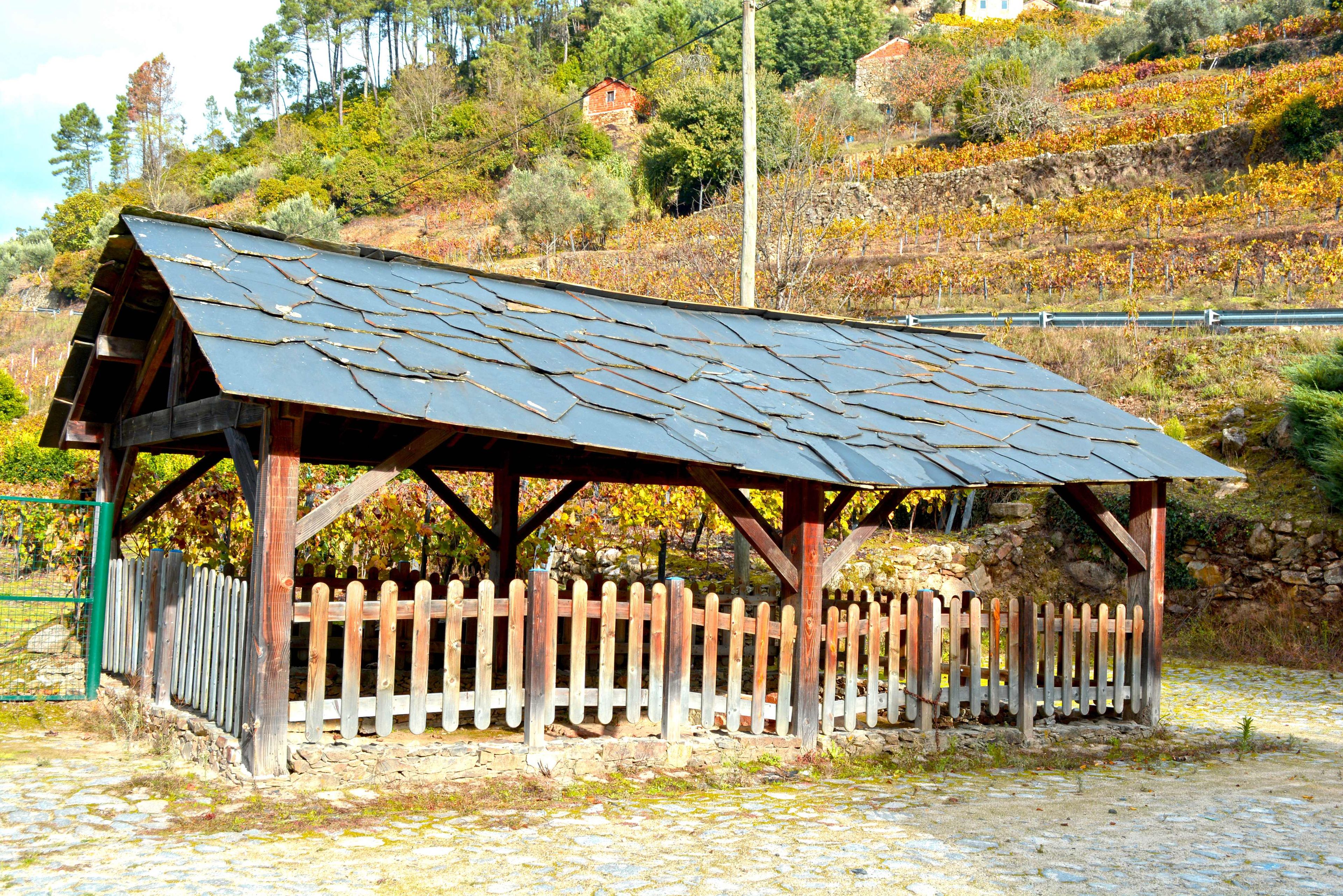
Roman ceramic oven

To save the location as a favorite, you need to have an account
LoginNew around here? Let s go create an account
Description
Journeys through time are made through spaces and territories with an identity. Each region has its own characteristics that give it this identity. It is this set of elements, natural or humanized, that make people proud of their "land". It was around 50 years ago, in the village of Ponte, between the parishes of Louredo and Fornelos, that the first traces of what was then called a "factory with a chimney" appeared. This memory was kept in oral tradition until, some 30 years later, Father Manuel Tuna recovered it and began a process of studying and enhancing this monument.
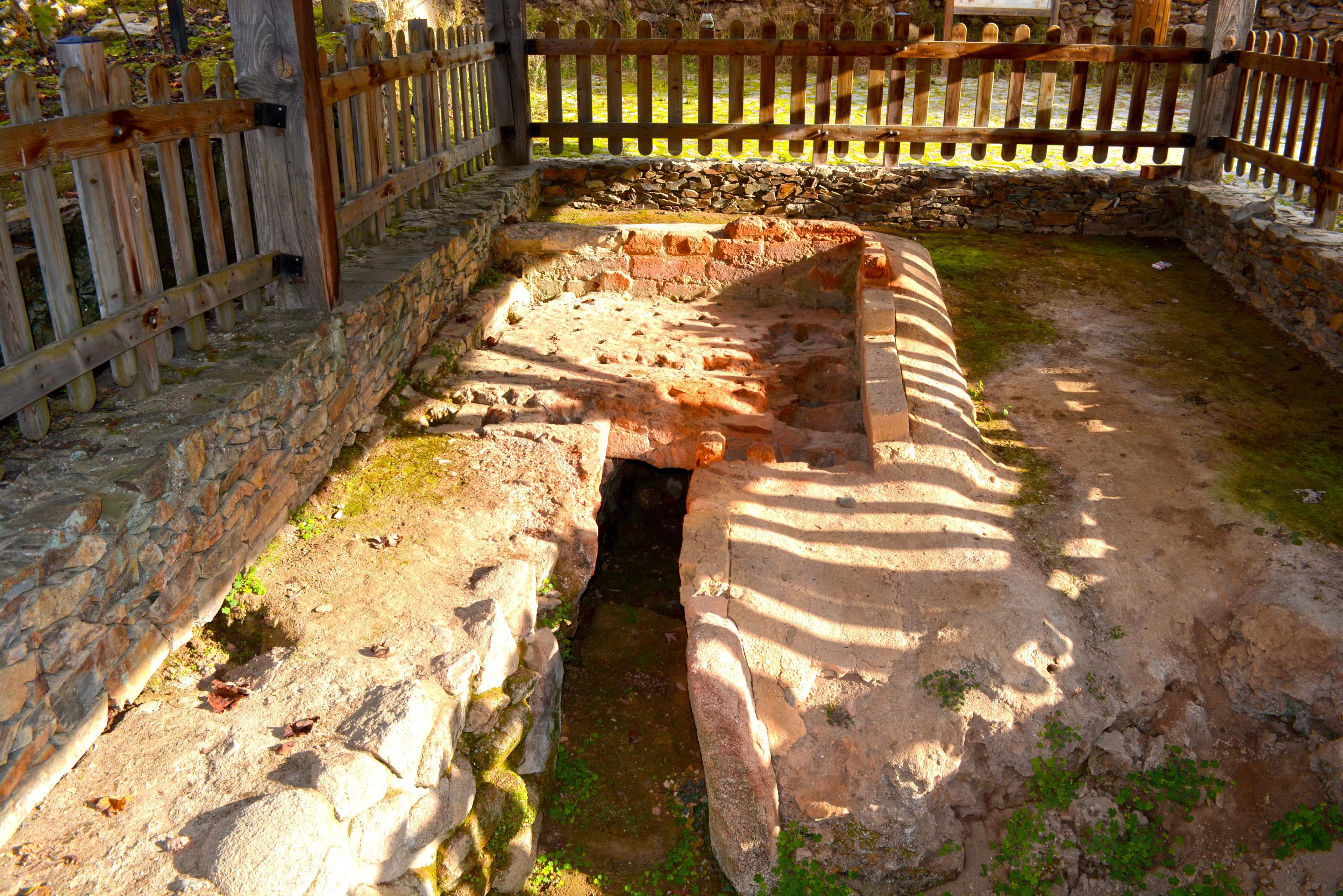
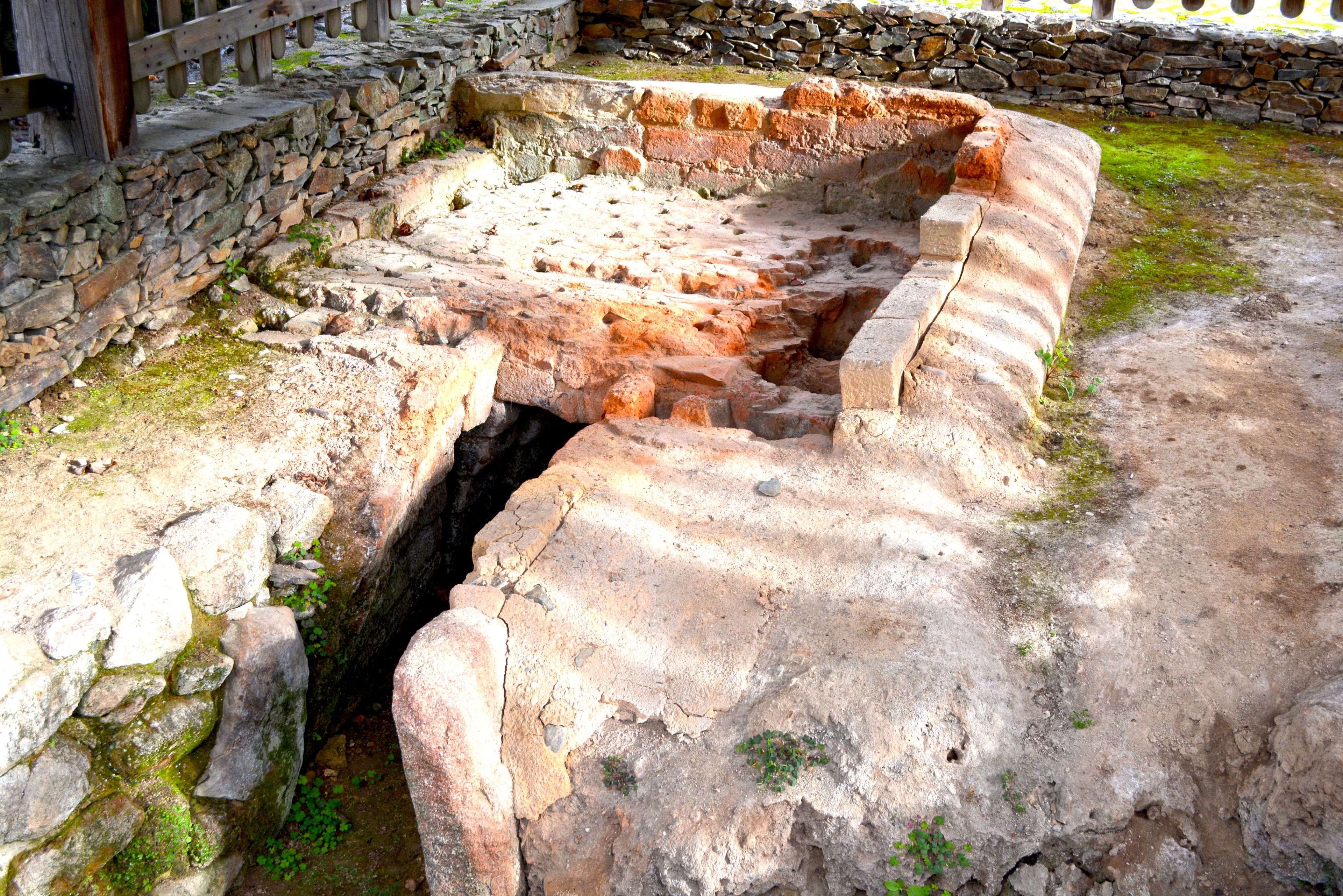
Thus, in 1980, together with Armando Coelho da Silva and António Baptista Lopes, Manuel Tuna carried out archaeological work that uncovered the remains of a Roman oven. During the archaeological excavation, some pieces were collected which led the authors of the work to hypothesize that it was an oven that was used to bake building ceramics: roof tiles and bricks.
Therefore, when visiting this 2,000-year-old monument, the public has to imagine a scenario of people working in a kiln where tiles and bricks were being fired on top of the grate. Let's remember that we're in an area of excellent Barreiros, attested to by the name of the town next door - Barreiro. On the other hand, we mustn't forget that the Romans needed a huge amount of building material for their houses, temples, spas, etc.
The roof tile was one of the many technological innovations that the Romans brought to the Iberian Peninsula. Until then, houses were covered with branches and thatch, which was less hot and more humid. Louredo's ceramic kiln consisted of a heating area buried in the natural ground - the kiln mouth serving as a place to introduce firewood and regulate the air flow, a channel-like furnace where the fire was lit and a heating chamber supporting the grate while allowing for better heat distribution - and a cooking chamber - a perforated grate made of fired clay on which the products to be cooked were placed, topped by a vault with a chimney to evacuate the gases and fumes.


