

What to visit
Patrimony
Church Of São João De Lobrigos

To save the location as a favorite, you need to have an account
LoginNew around here? Let s go create an account
Description
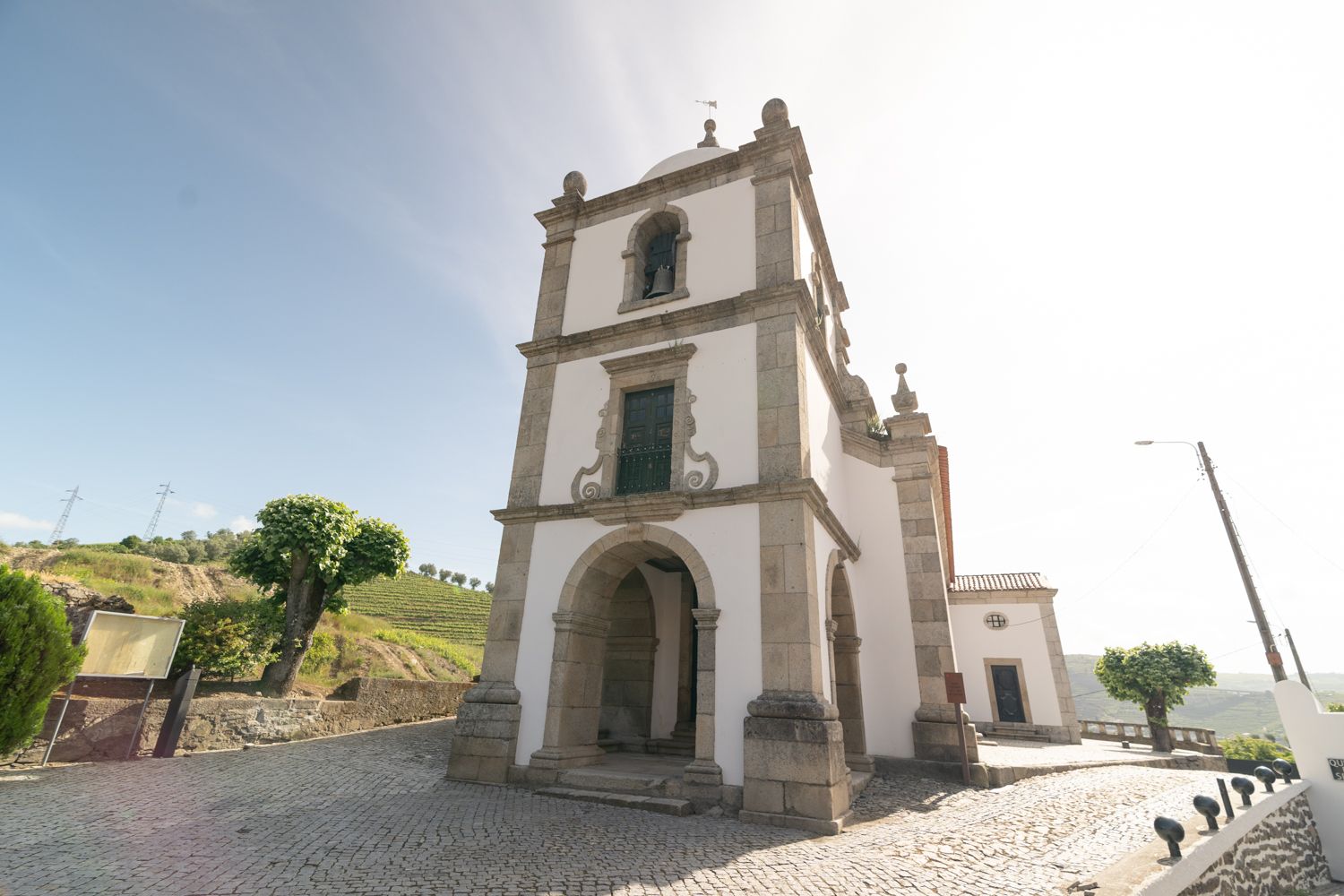
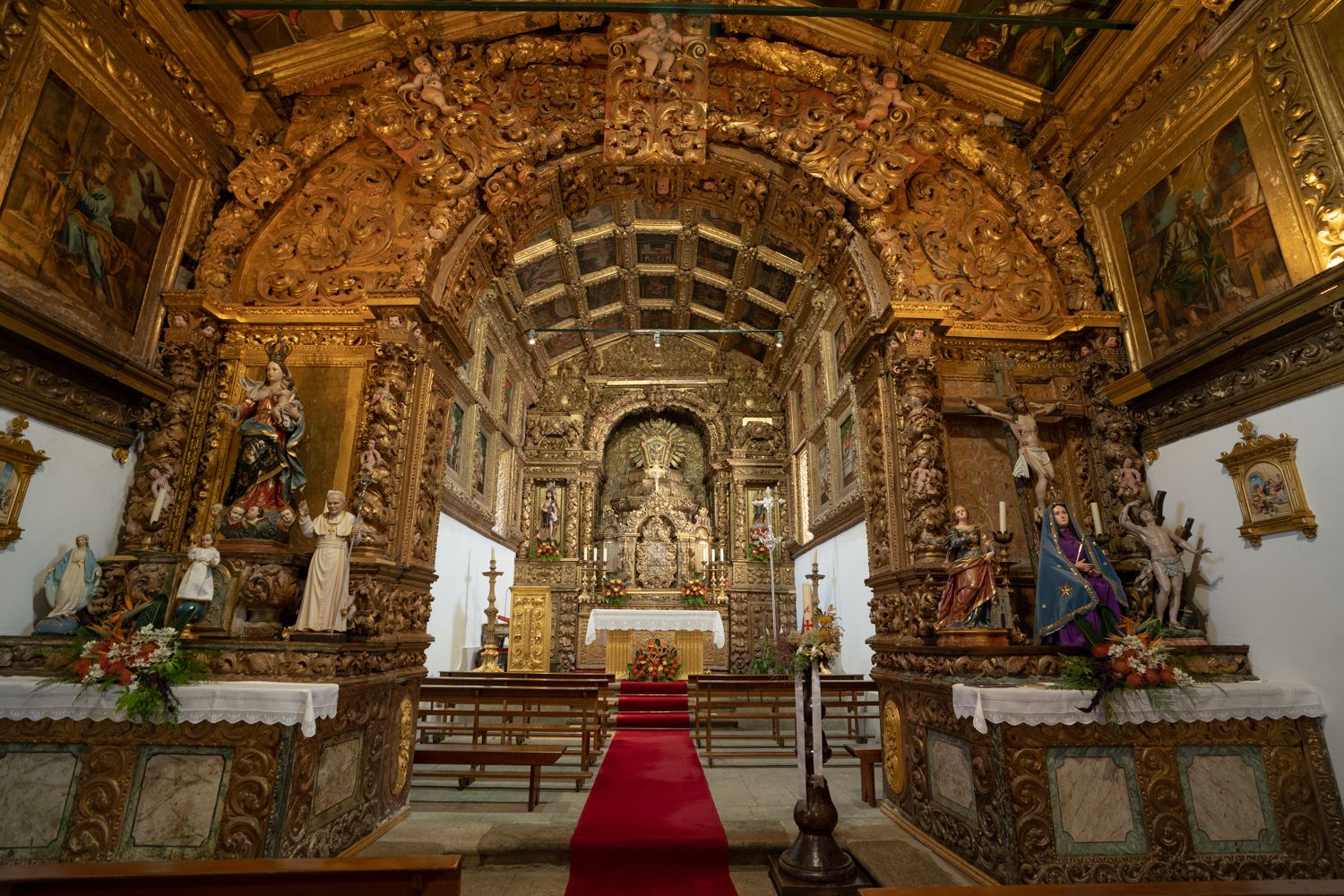
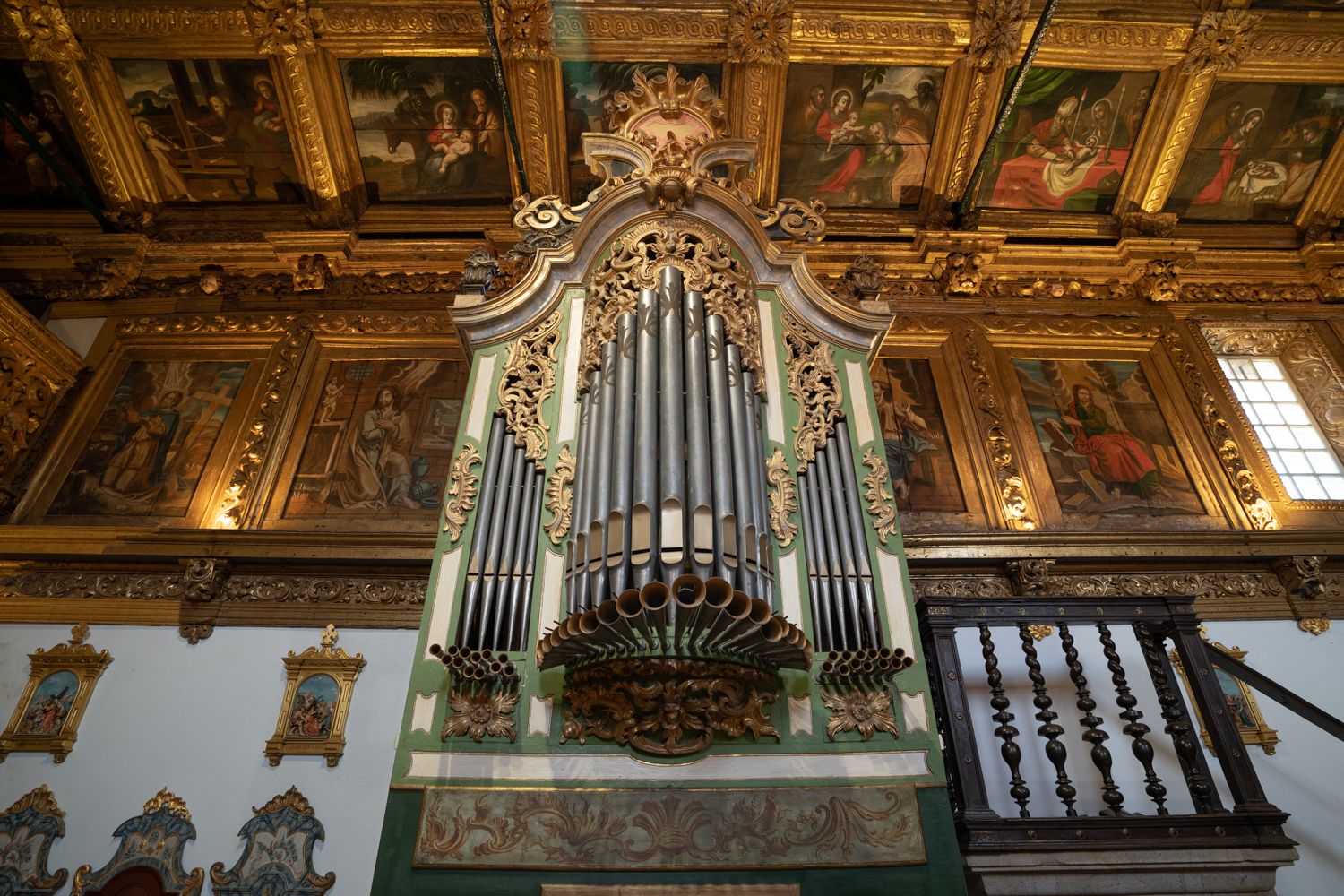
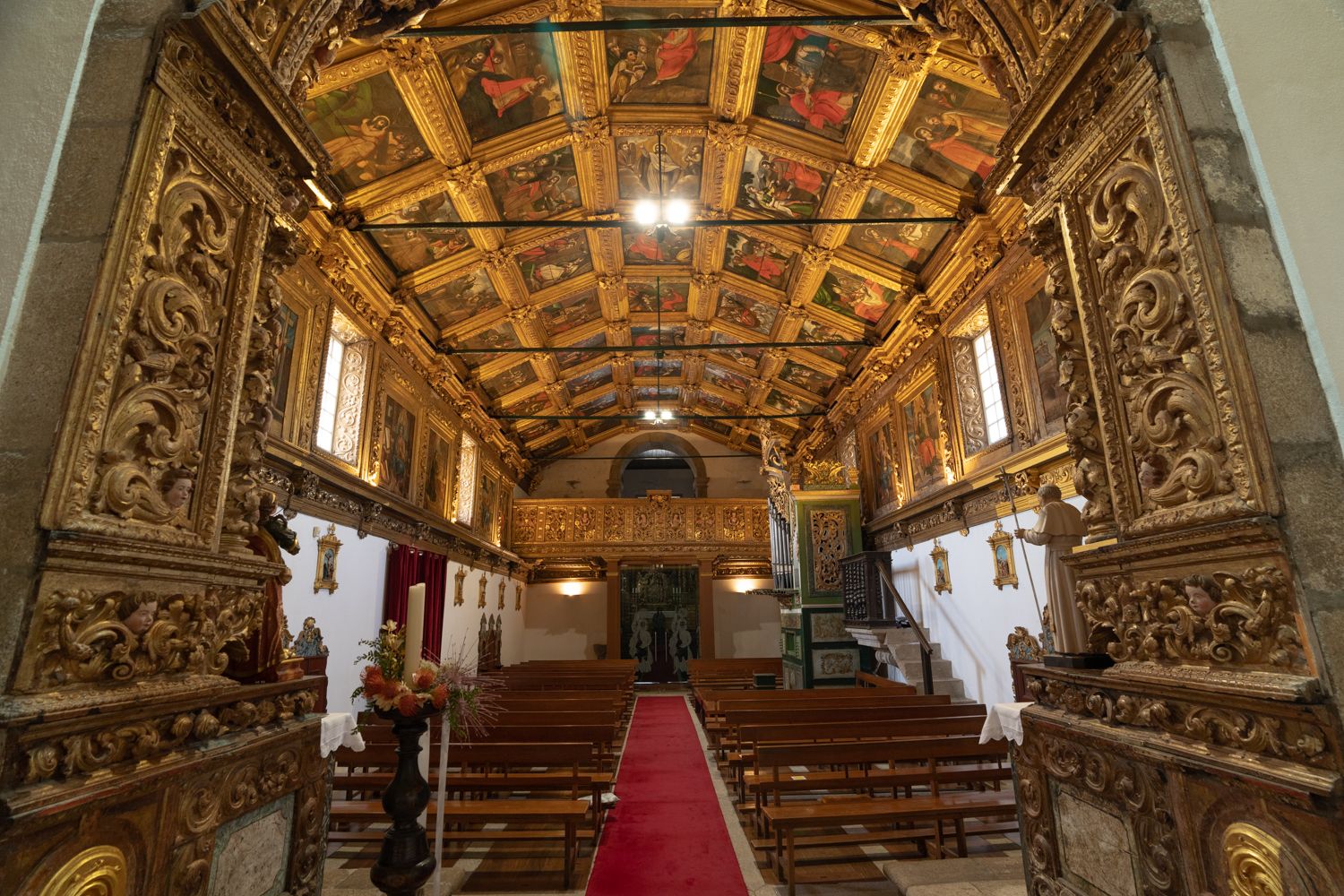
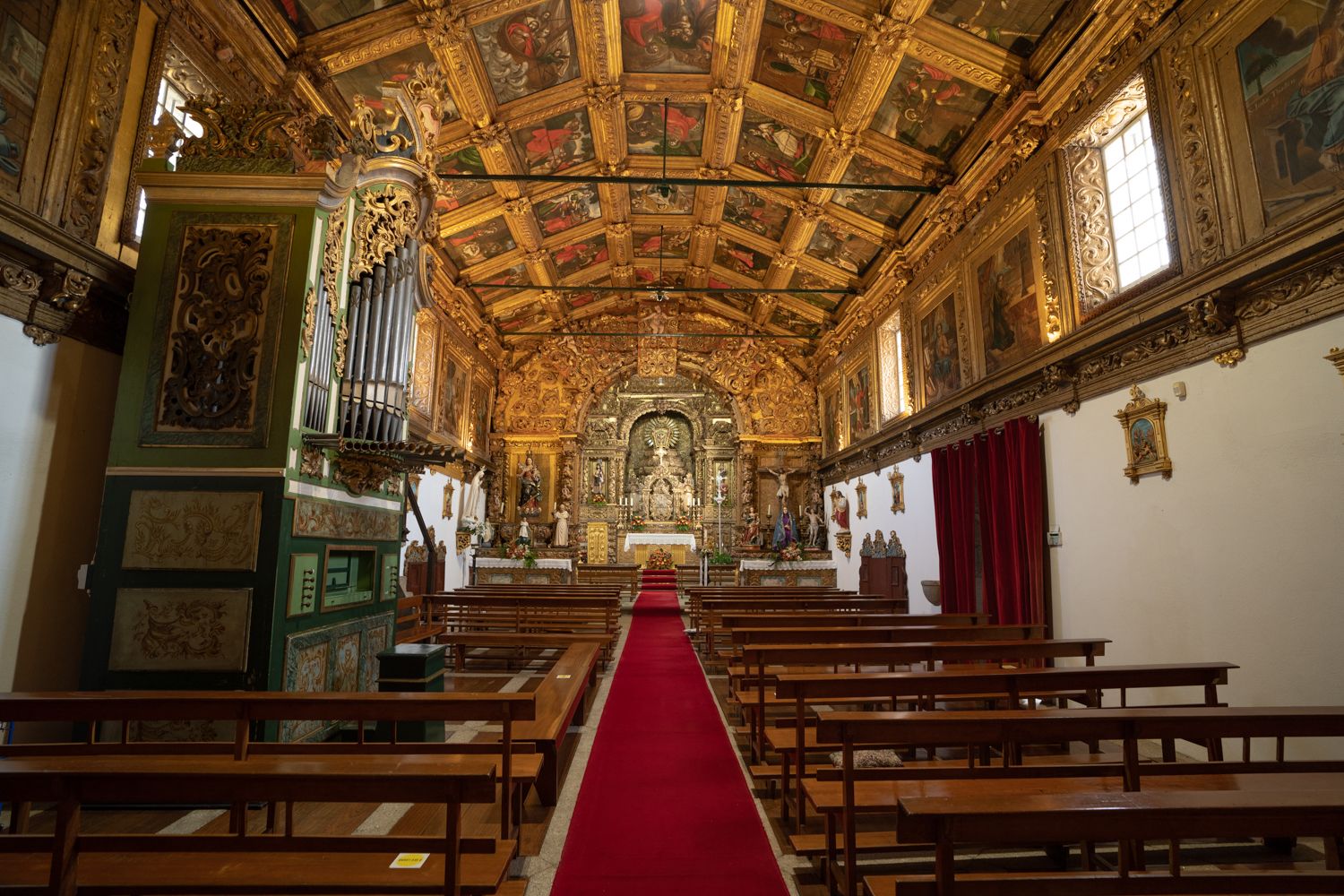
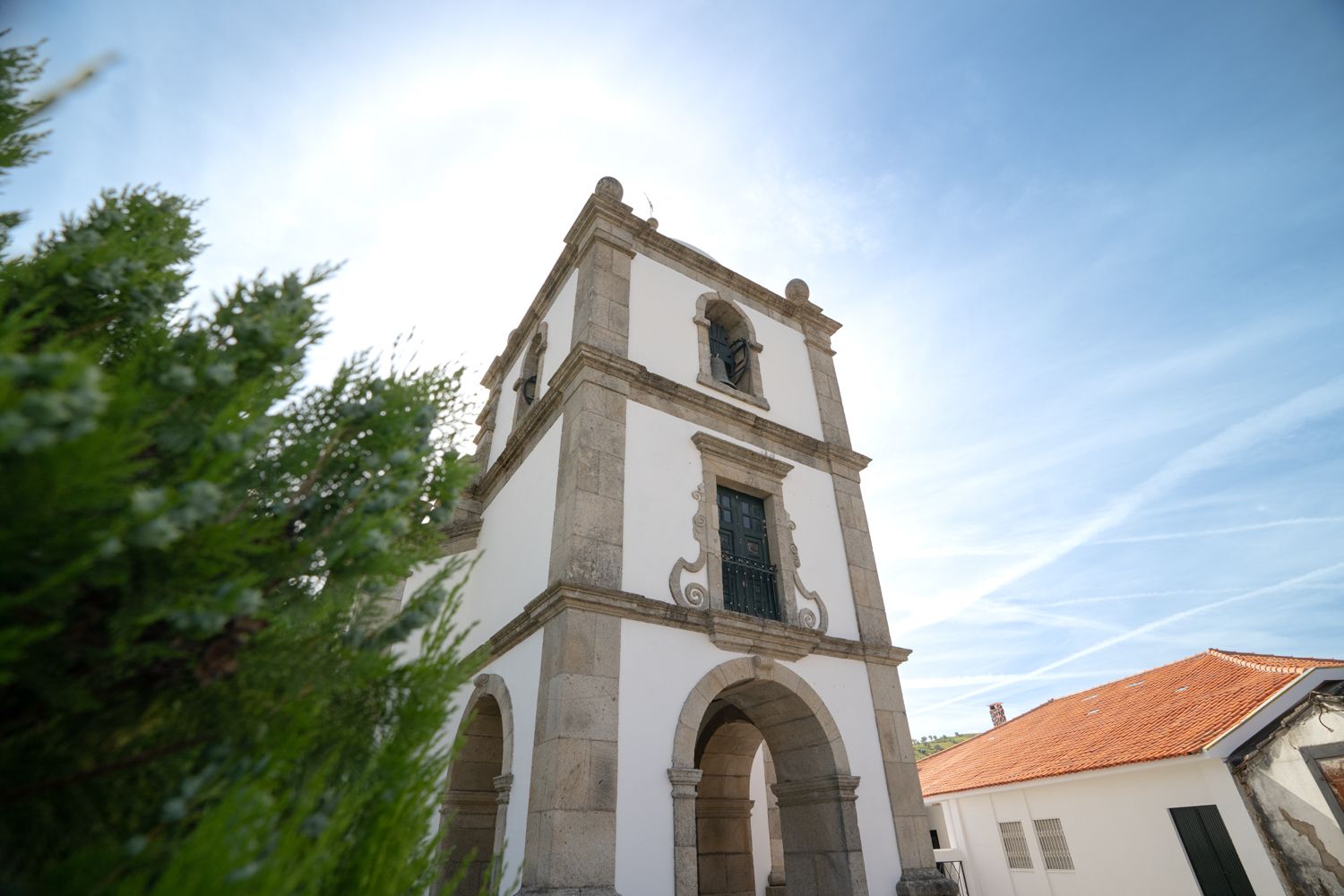
The church of S. João de Lobrigos is the most important physical landmark in the parish to which it gives its name. A source of pride for its parishioners, this church is their seat and spiritual representative. It was built in two phases or campaigns: one in the 17th century and the other in the following century. The tower is slightly recessed, or disproportionate to the body of the church. Older people say that it was supposed to be taller, but the master had died in the meantime, so it stayed the same. It has three distinct bodies, and the arched galilee stands out at the entrance to the portico. But the church is worth it for the interior decoration of the altars, the ceiling (and walls) in fine gilded woodwork from the Portuguese Baroque, including the rich imagery and the valuable vestments. The altarpiece of the high altar is artistically elaborate. It features a sumptuous tabernacle and a second tabernacle at the top of the lathe, which serves as a baldachin from which the sun shines down to display the Blessed Sacrament. The ceiling of the chancel is covered with thirty coffered ceilings that unfold to the height of the two windows (one on each side), while eleven parietal coffered ceilings line the walls (on each side). The arch of the transept is also covered in carved woodwork, and attached to it (facing the nave) are two altars (one on each side) in the same style. The iconographic collection includes the valuable images of Our Lady of the Rosary, Christ Crucified, Our Lady of Sorrows (wearing a rattle) dressed in a purple tunic and blue mantle, and the Infant Jesus (dressed), with his feet on the globe. There are also images of Saint Barbara (much worshipped in the region) and Saint Sebastian. The ceiling of the nave is lined with forty-five coffered ceilings painted with figures or passages from the life of Christ. The walls (up to half the height of the floor) are covered with the same carvings as the altars, which end in the choir, also decorated with carvings. The pulpit (which doesn't go unnoticed) is a piece of fine craftsmanship with metallic applications (brass) very much in keeping with the taste of the first half of the 17th century. In the sacristy, with its octagonal coffered ceiling (chestnut wood), there is an artistic stone washbasin decorated with a frown and, above it, an inscription from 1728. The organ that used to be in the chancel (on the Gospel side), and leaning against the crossing arch, is now in the center of the nave, on the left. It is an 18th-century organ with gilded woodwork and decorative panels with Baroque plant paintings. It has been listed as a Property of Public Interest by Decree-Law no. 474.008 since 24-01-1967.


