


What to visit
Museums
Lamego Museum

To save the location as a favorite, you need to have an account
LoginNew around here? Let s go create an account
Description
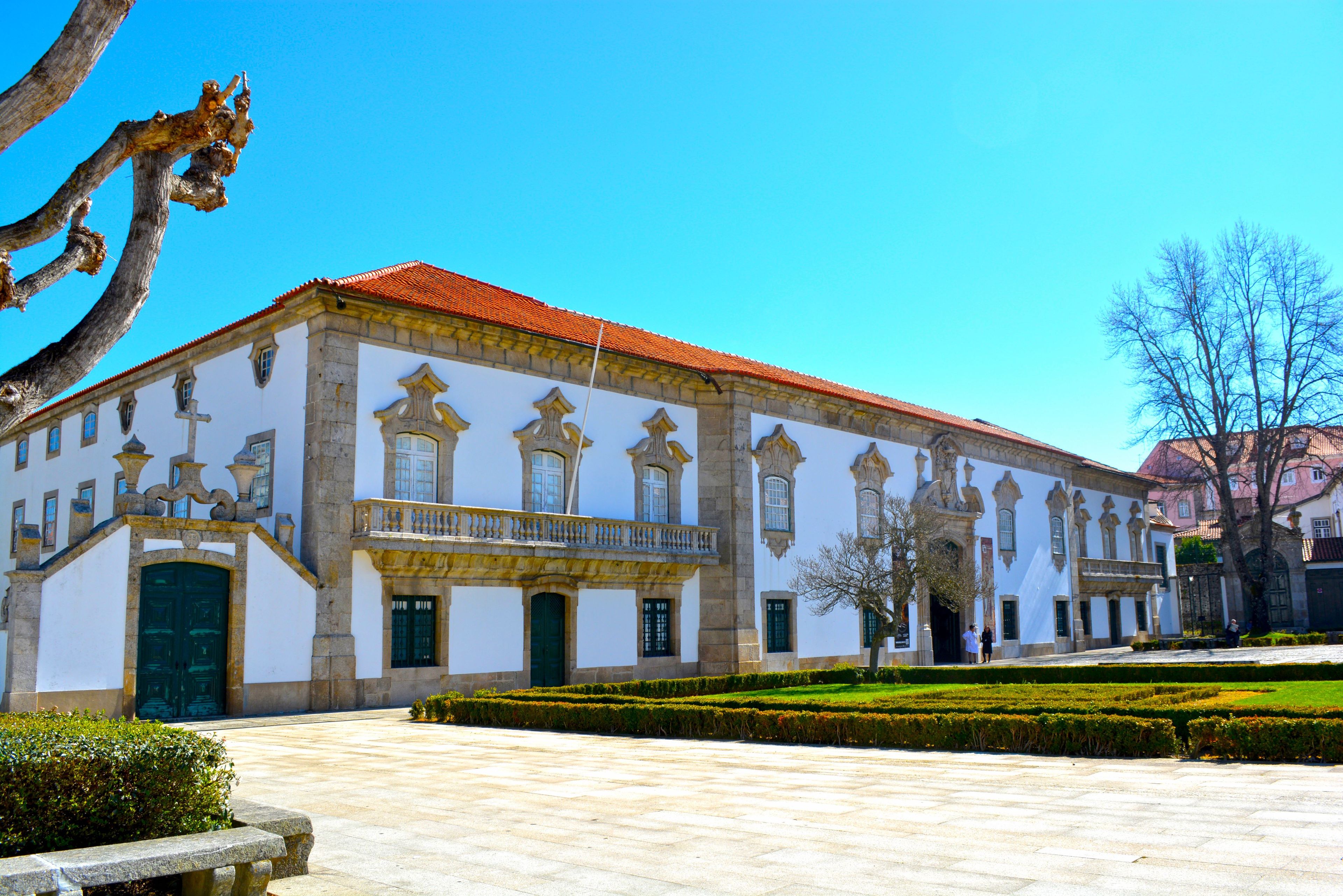
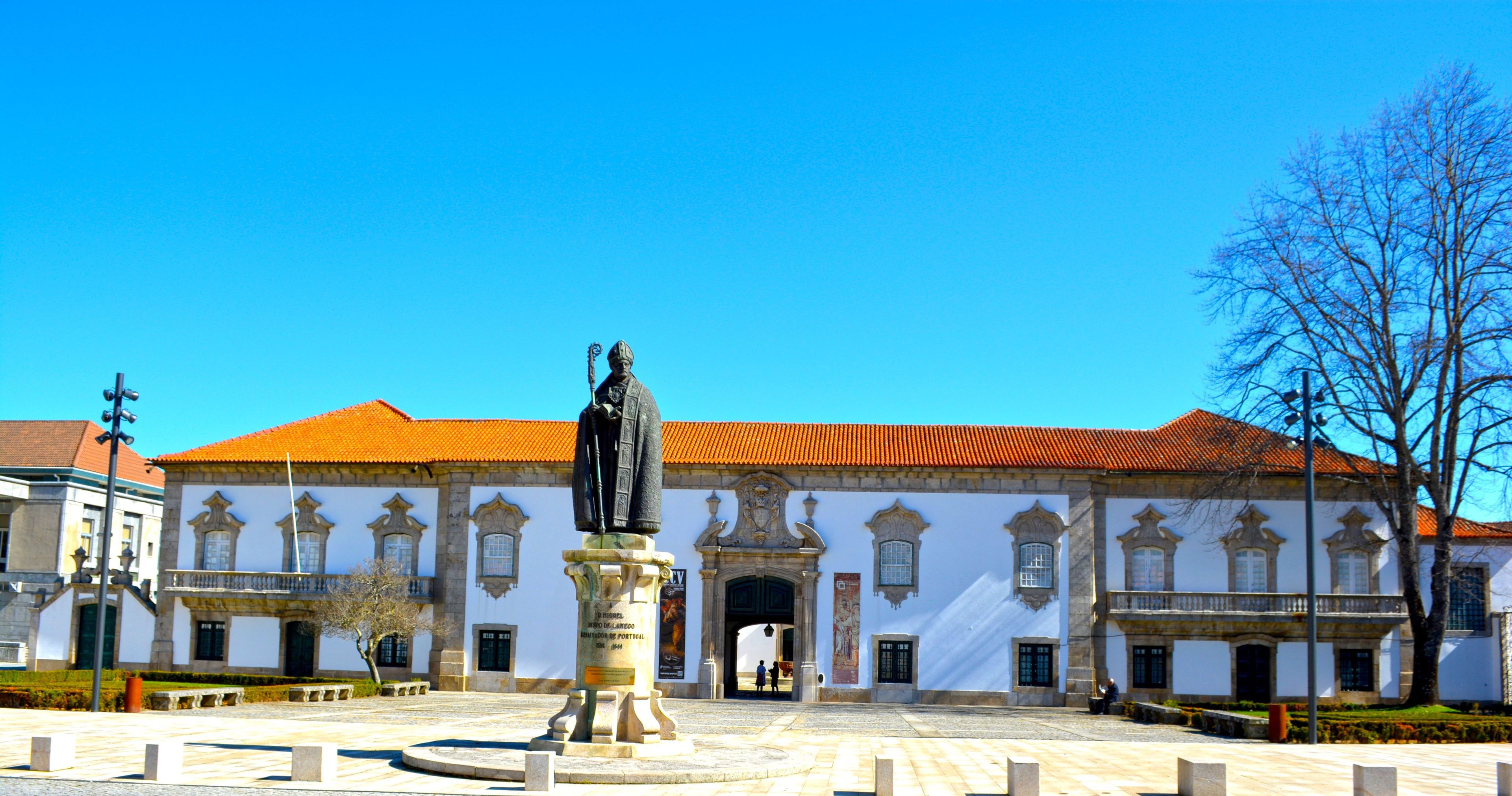
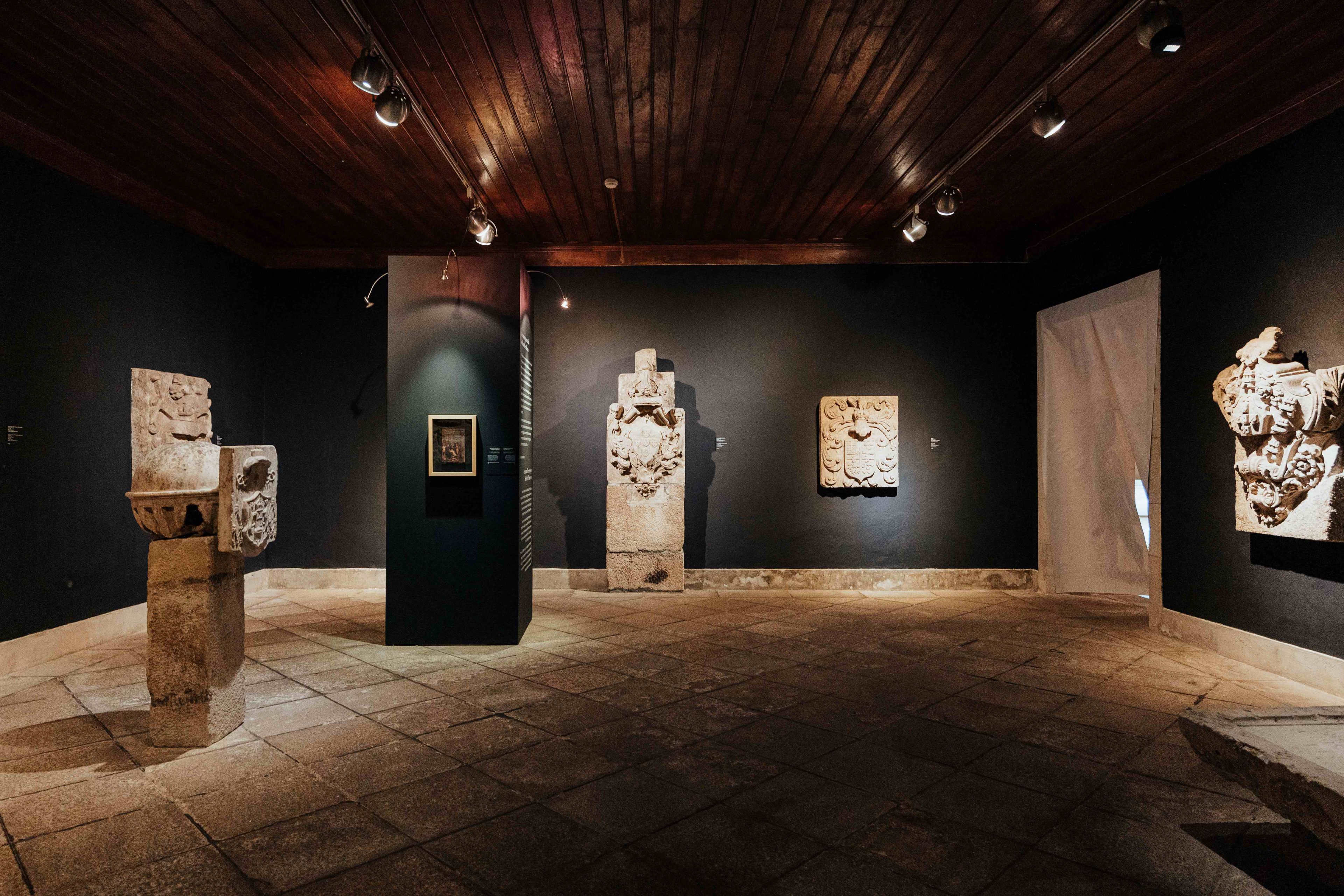
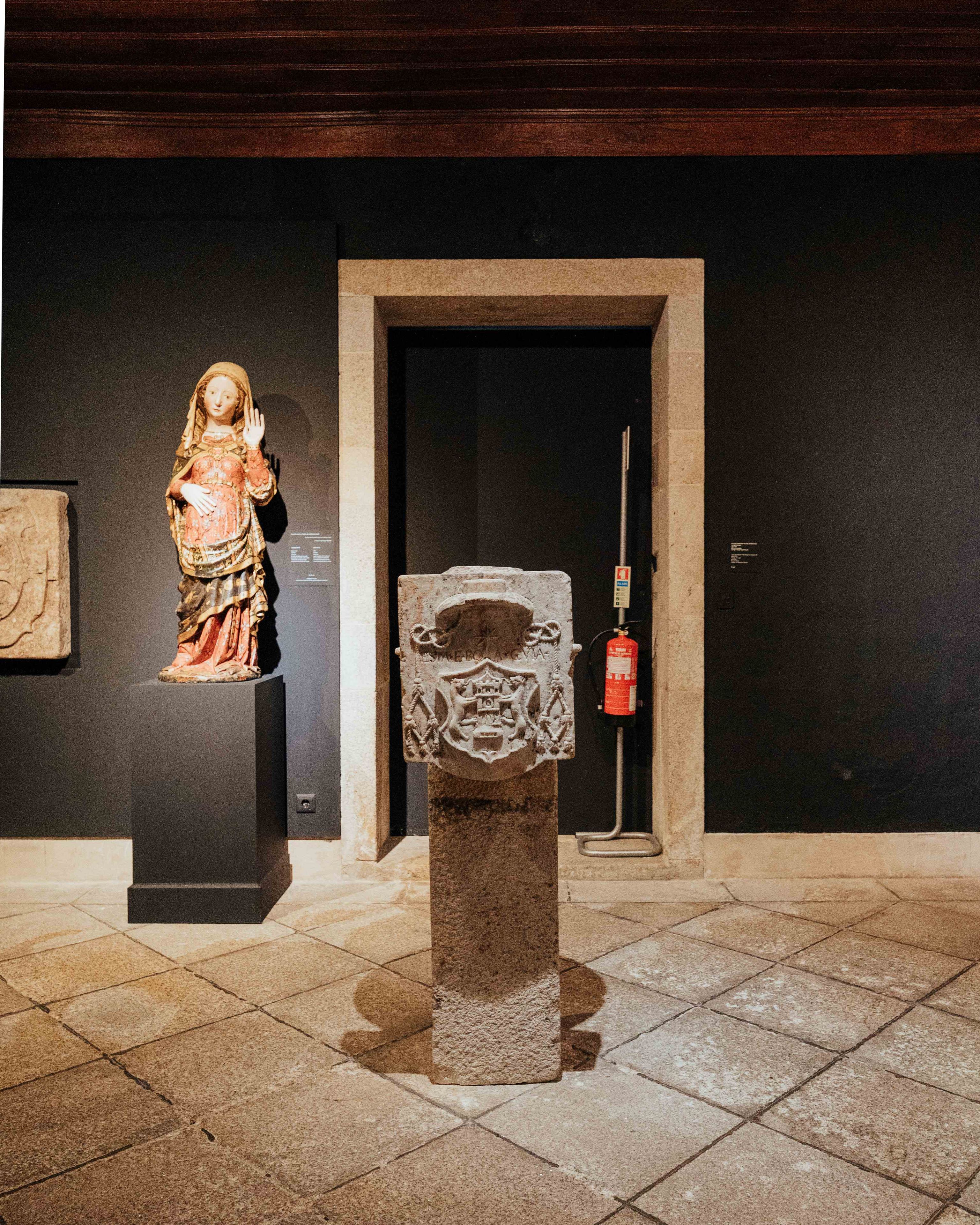
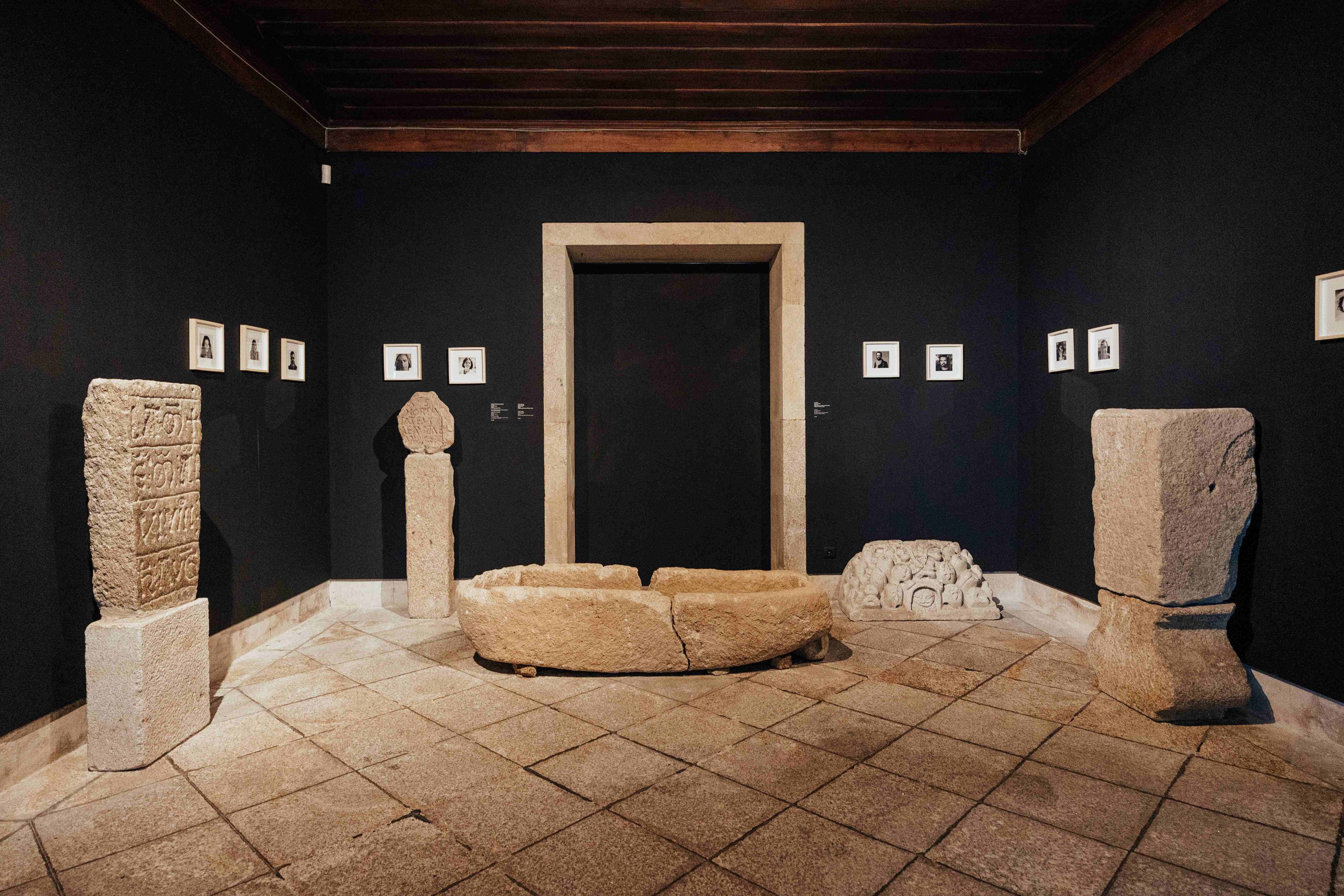
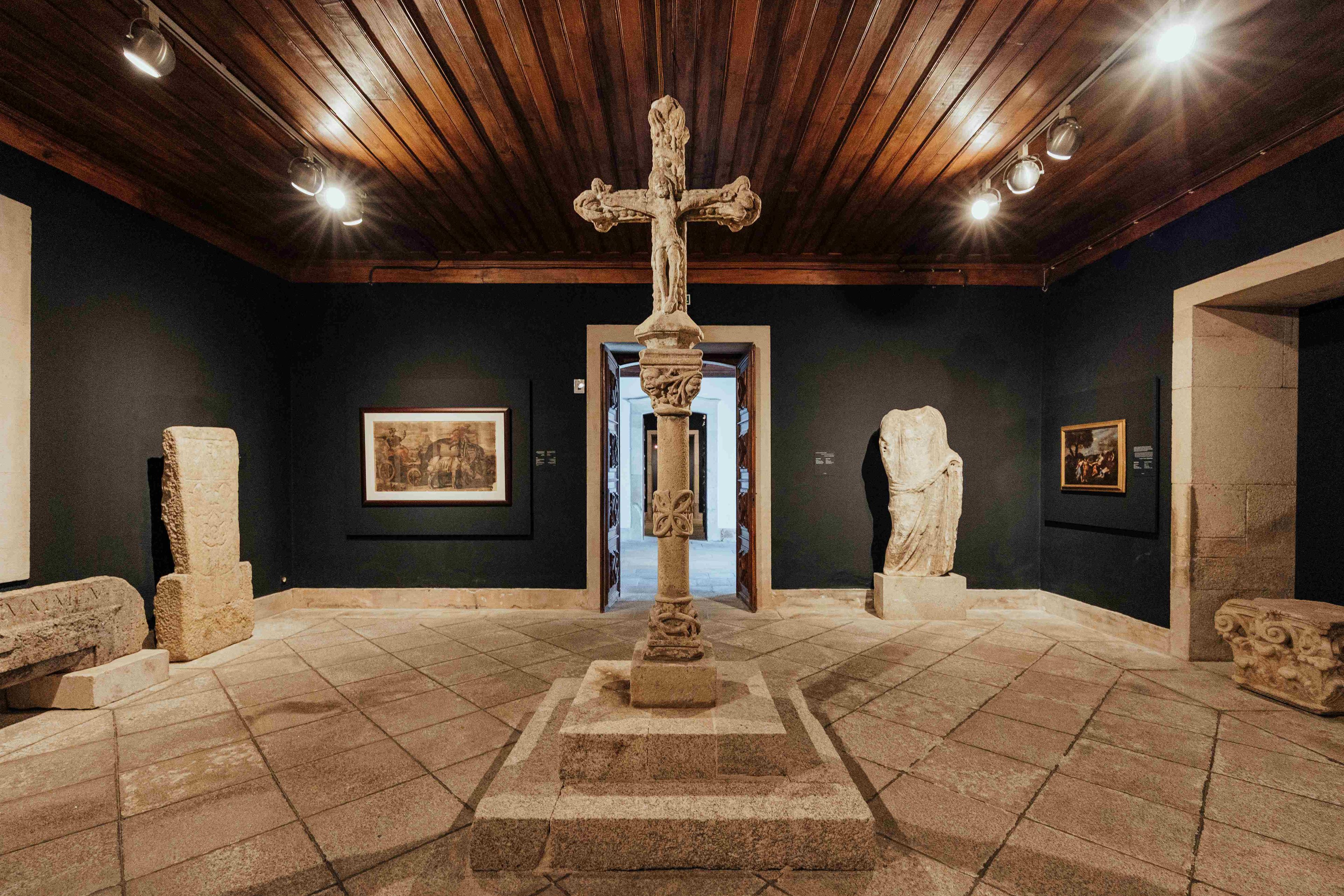
The Lamego Museum is housed in the former Episcopal Palace, which was rebuilt in the 18th century by Bishop Manuel de Vasconcelos Pereira. Founded in 1917, following the establishment of the Republic and the consequent nationalization of Church property, its collection was initially made up of objects already in the Palace, complemented by various items from the now-defunct Convent of the Chagas of Lamego, to which were added the archaeological collection of the Town Hall and, to this day, its permanent enrichment through donations.
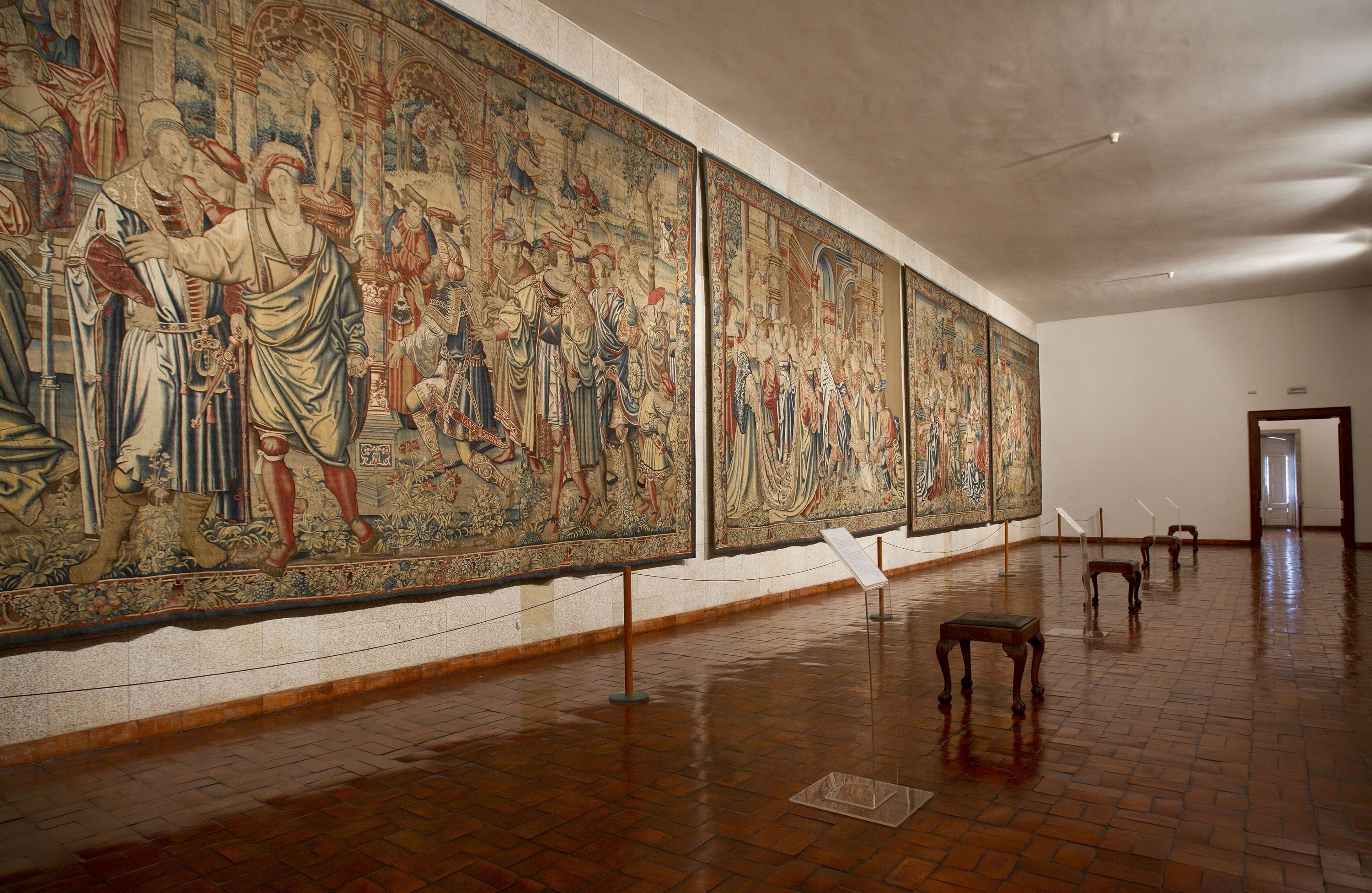
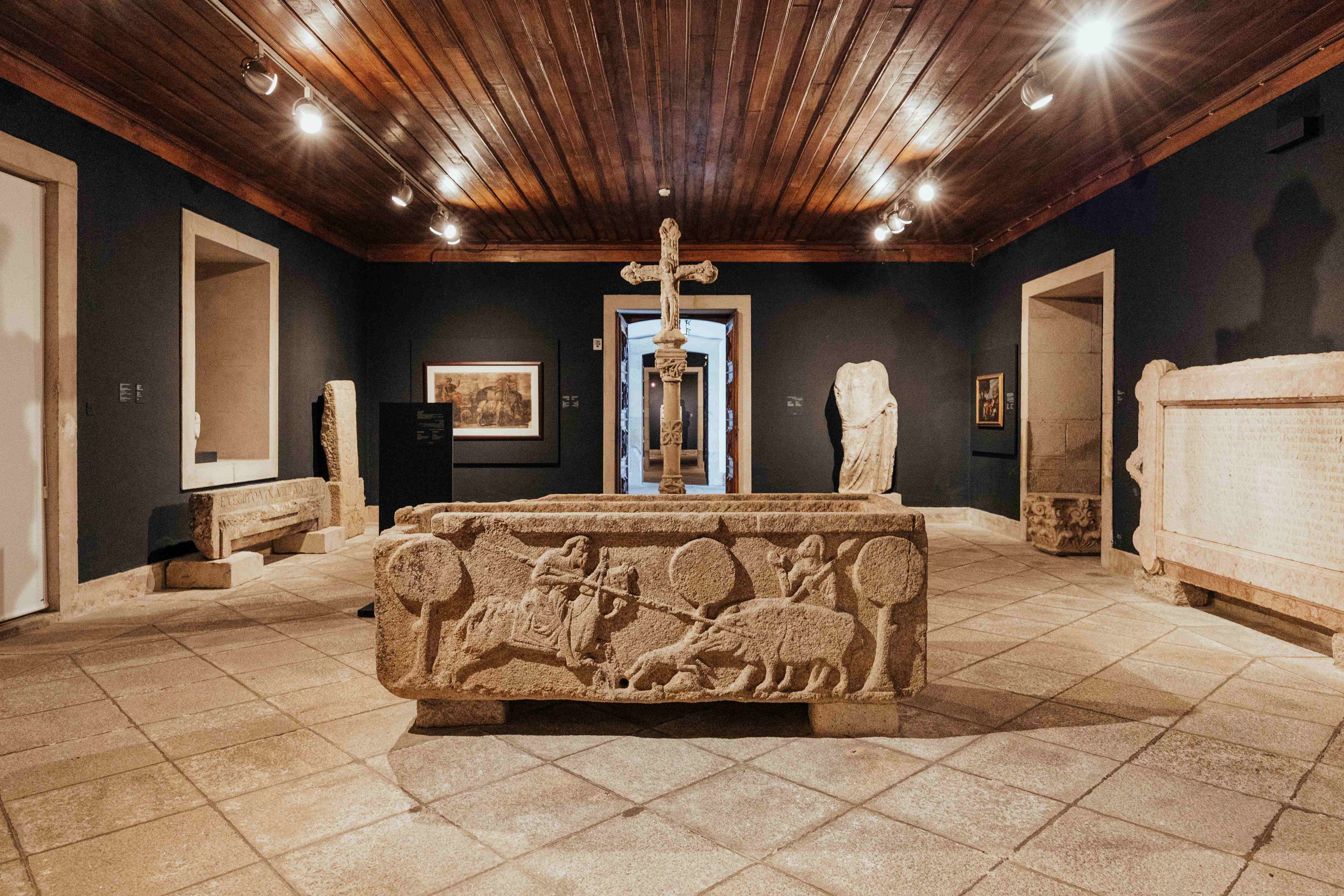
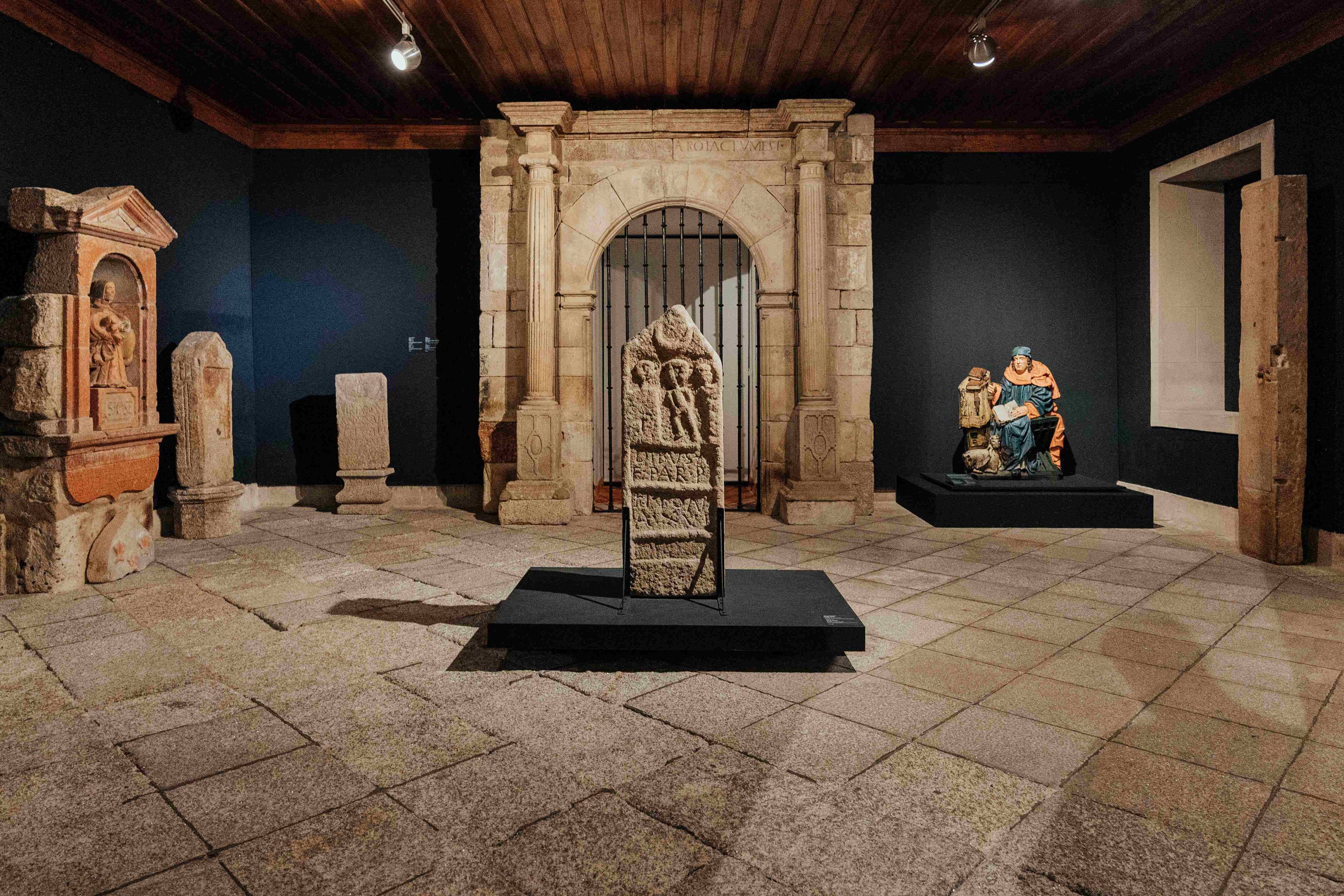
The collection on permanent display reflects the history and path of the museum, standing out for its eclecticism and the individual quality of its pieces. The original collection from the Episcopal Palace, mainly made up of furniture, tapestries, paintings and sculpture, is largely complemented by items of goldsmithery, paramentaria, tiles and, most notably, the reassembly of some of the gilded altarpieces from the chapels of the now-defunct Chagas Convent in Lamego.
Of the entire collection, the objects classified by the Portuguese State as National Treasures are particularly important: a medieval tomb chest, decorated with a hunting scene; the panels that Vasco Fernandes (Grão Vasco) painted for the chancel of the Cathedral of Lamego between 1506 and 1511; the set of Flemish tapestries, woven in Brussels in the first half of the 16th century, which includes the four cloths with a design attributed to Bernard Van Orley, representing the tragedy of Oedipus, and the panels of figural tiles with bucolic and hunting scenes, from the 17th century.


