

What to visit
Patrimony
Côa Valley Archaeological Park

To save the location as a favorite, you need to have an account
LoginNew around here? Let s go create an account
Description
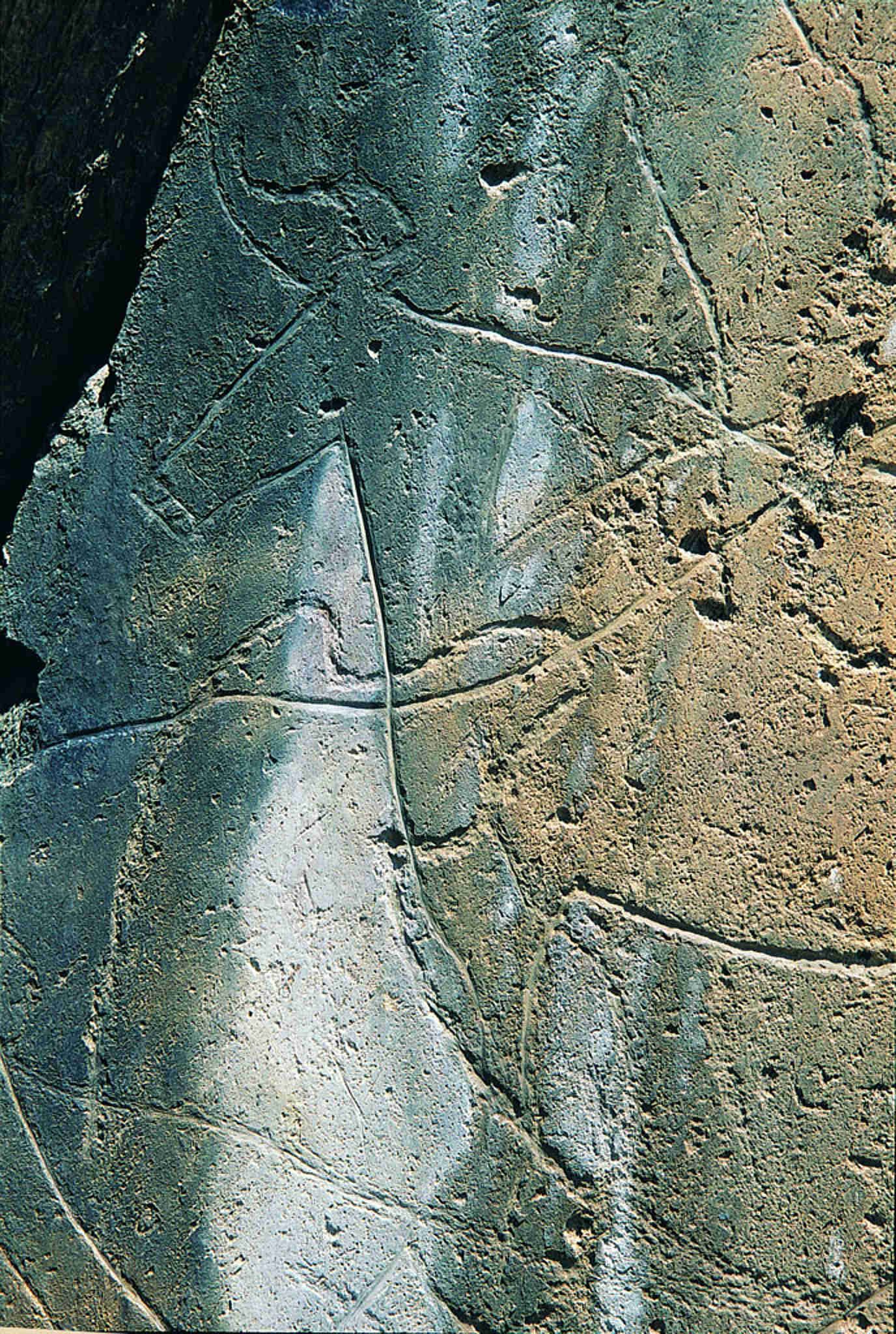
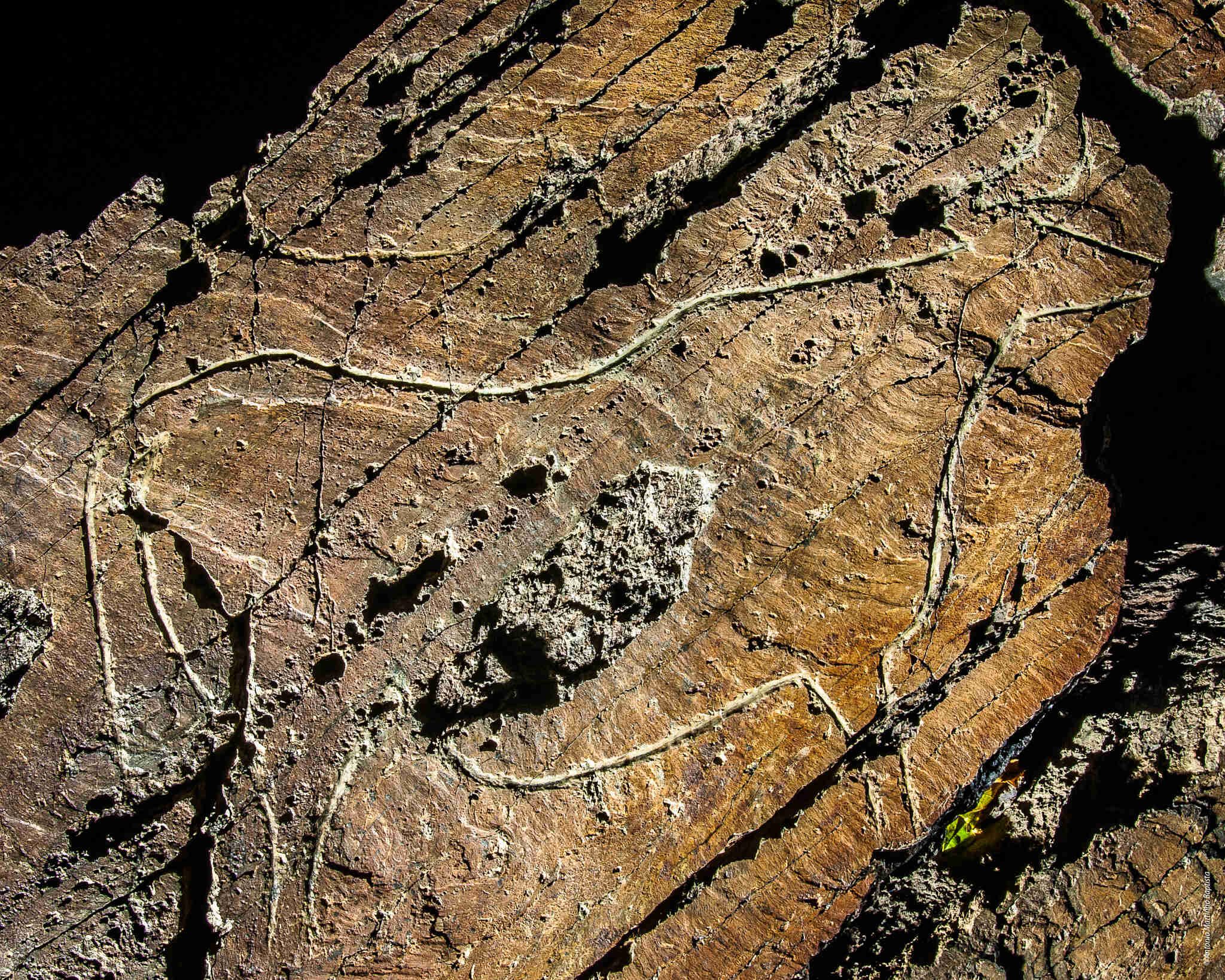
The Côa Valley Archaeological Park covers an area of around 200 km2 in the northernmost part of the Guarda district, covering areas in the municipalities of Vila Nova de Foz Côa, Figueira de Castelo Rodrigo, Pinhel and Mêda. The final stretch of the river Côa contains more than 80 rock art sites and around 1,200 engraved rocks.
However, this extraordinary collection of rock art is distributed along two main river axes: the River Côa, for a length of around 30 km, and the River Douro, for around 15 km, on both sides of the mouth of the Côa.
Given the heritage and cultural interest of these finds, the Côa Valley Archaeological Park was created on August 10, 1996, with the mission of managing, protecting, researching and showing rock art to the public. As it is a unique site in the world that presents artistic manifestations from various periods of Prehistory, Protohistory and History, namely the most important set of open-air Palaeolithic figurations known to date, UNESCO classified the sites with Palaeolithic art as World Heritage Sites in 2008.
Based at the Côa Museum, it is possible to take guided tours, in all-terrain vehicles and with prior reservation, to 3 sites: Canada do Inferno, Penascosa and Ribeira de Piscos. Visits by kayak also take in the Fariseu site.


