

What to visit
Green Spaces
Alvão Natural Park

To save the location as a favorite, you need to have an account
LoginNew around here? Let s go create an account
Description
Physical characterization:
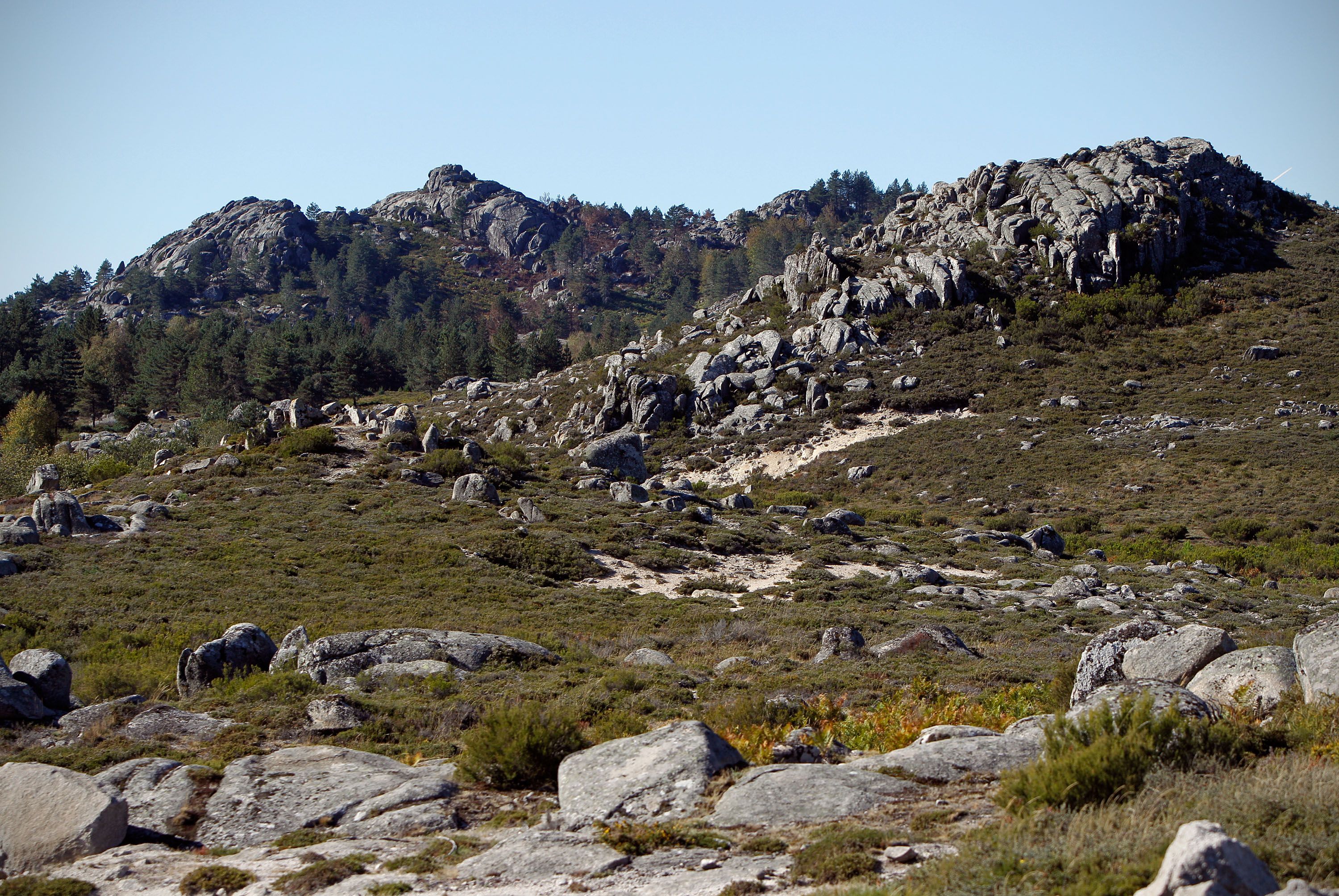
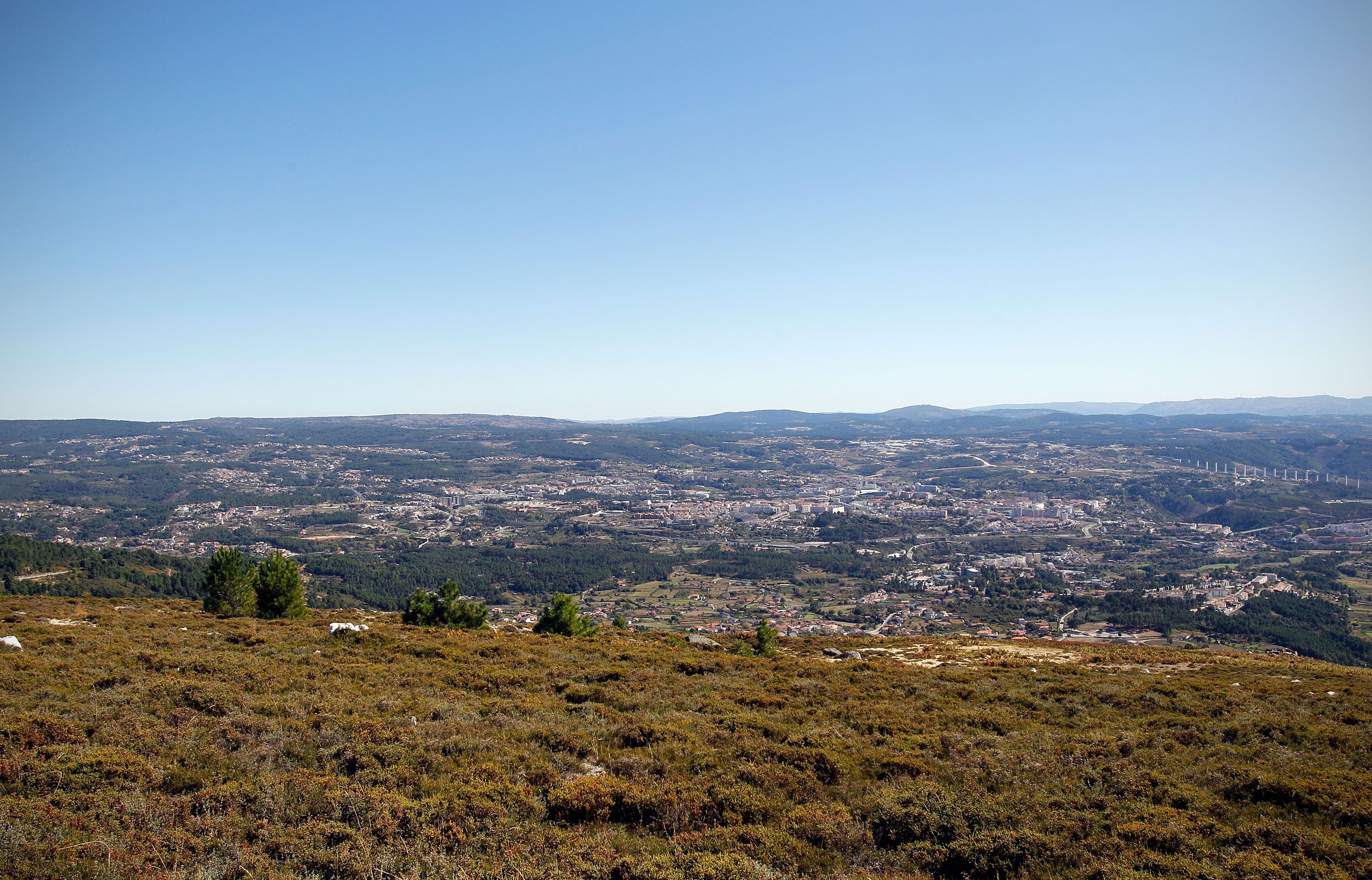
This Protected Area, as the name suggests, is in the Serra do Alvão, or rather, it is located in the mountain range defined by the Serra do Alvão and the Serra do Marão, and part of its area is in the undefined transition zone between the two ranges. It develops mainly on the western slope, which acts as a "condensation barrier" to the humid air masses coming from the Atlantic Ocean. It thus lies in a transition zone between the humid coastline and the increasingly drier interior, a transition that is still affected by the altitudinal component.
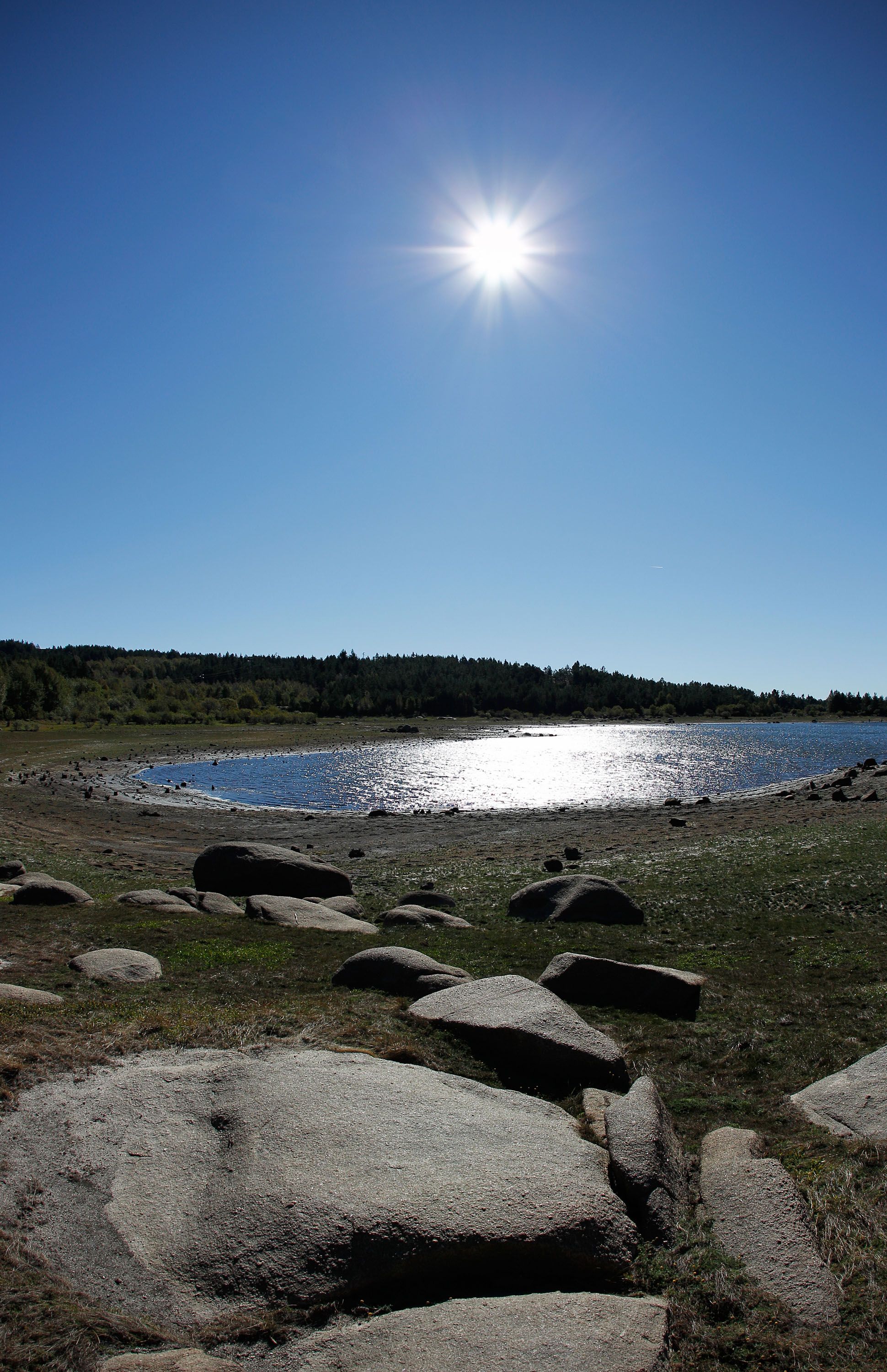
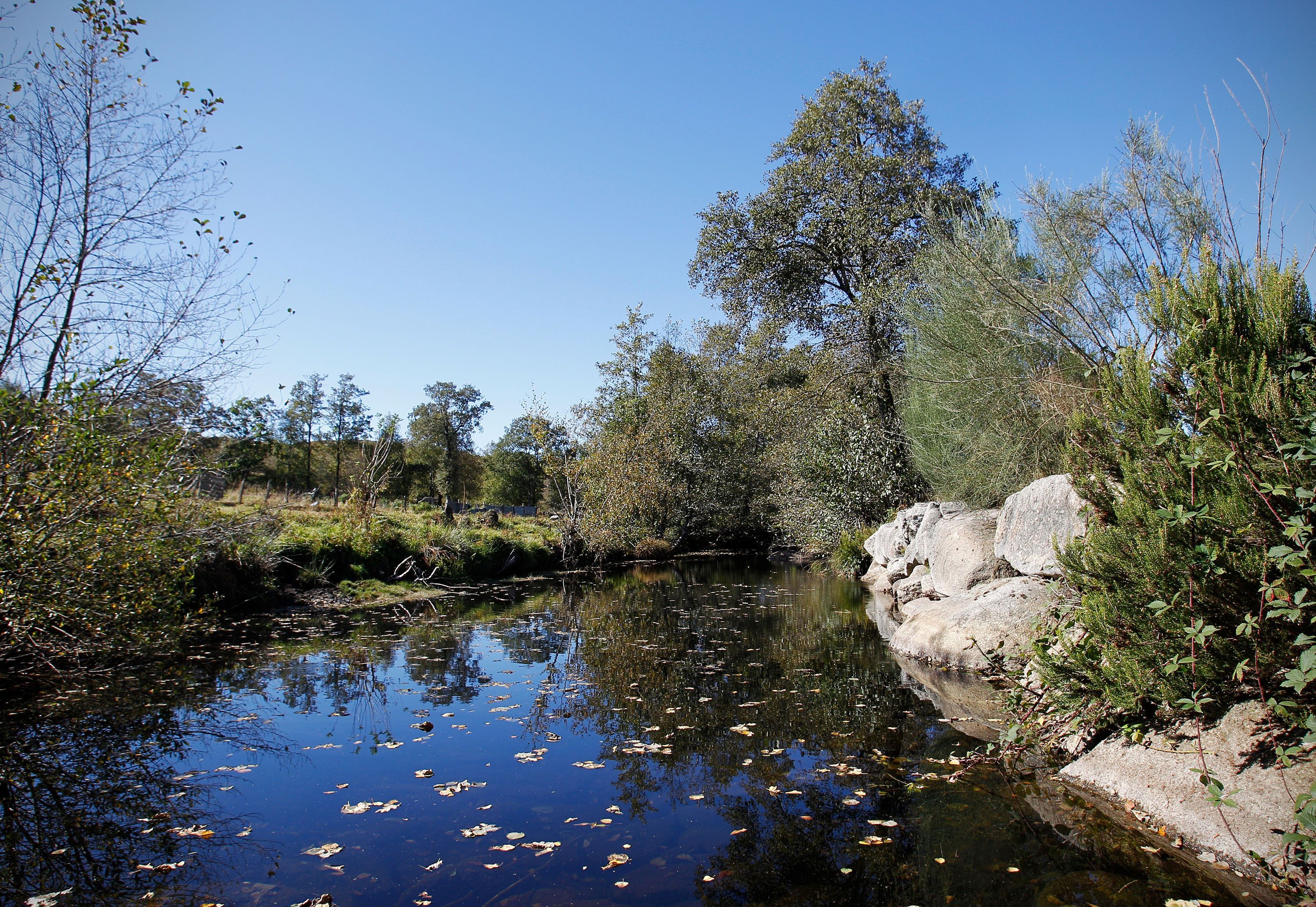
The area of the Alvão Natural Park corresponds to the headwaters of the Olo river basin, a tributary of the Tâmega, and a small flap (Arnal) facing east, belonging to the Corgo basin.
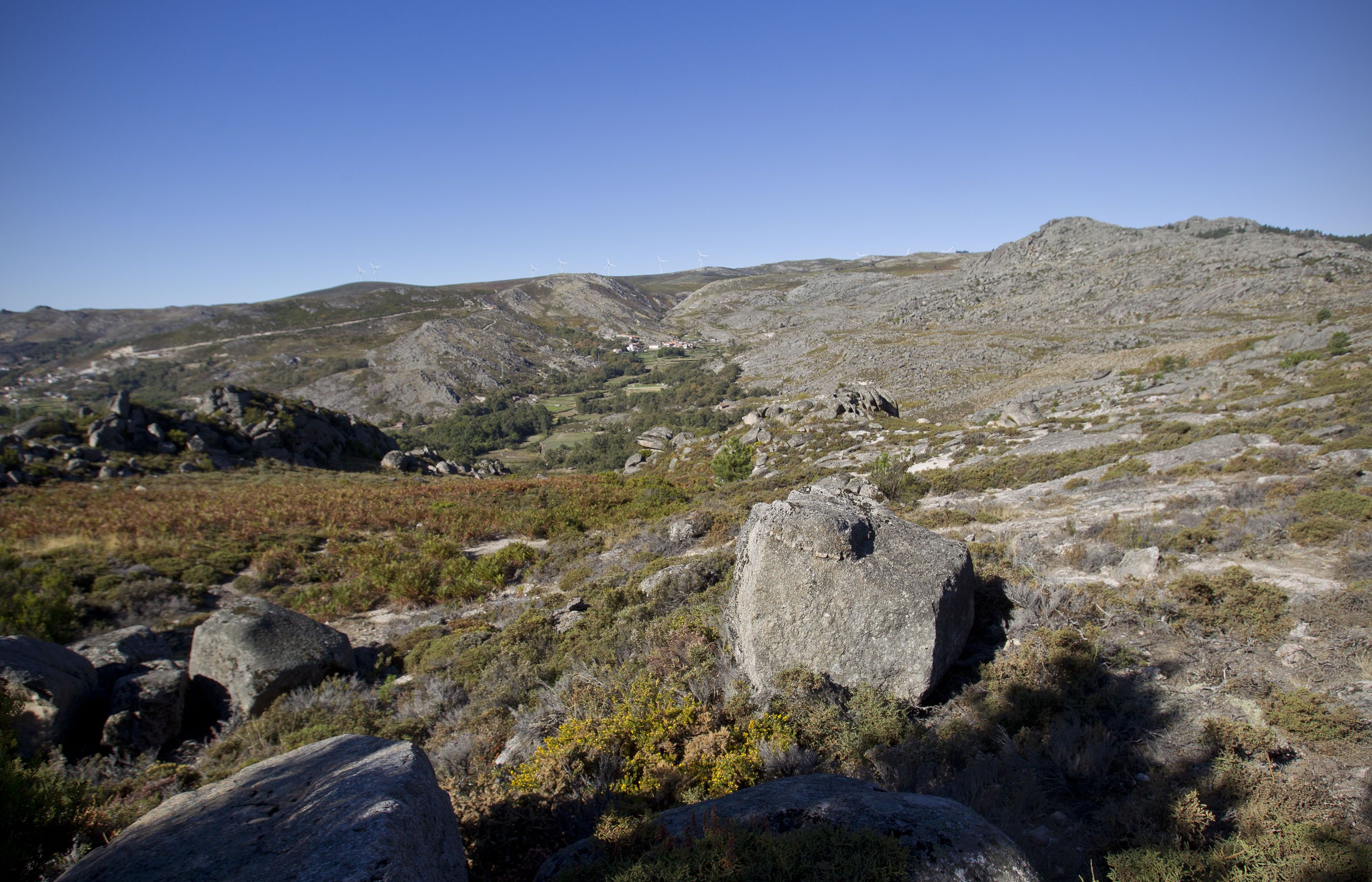
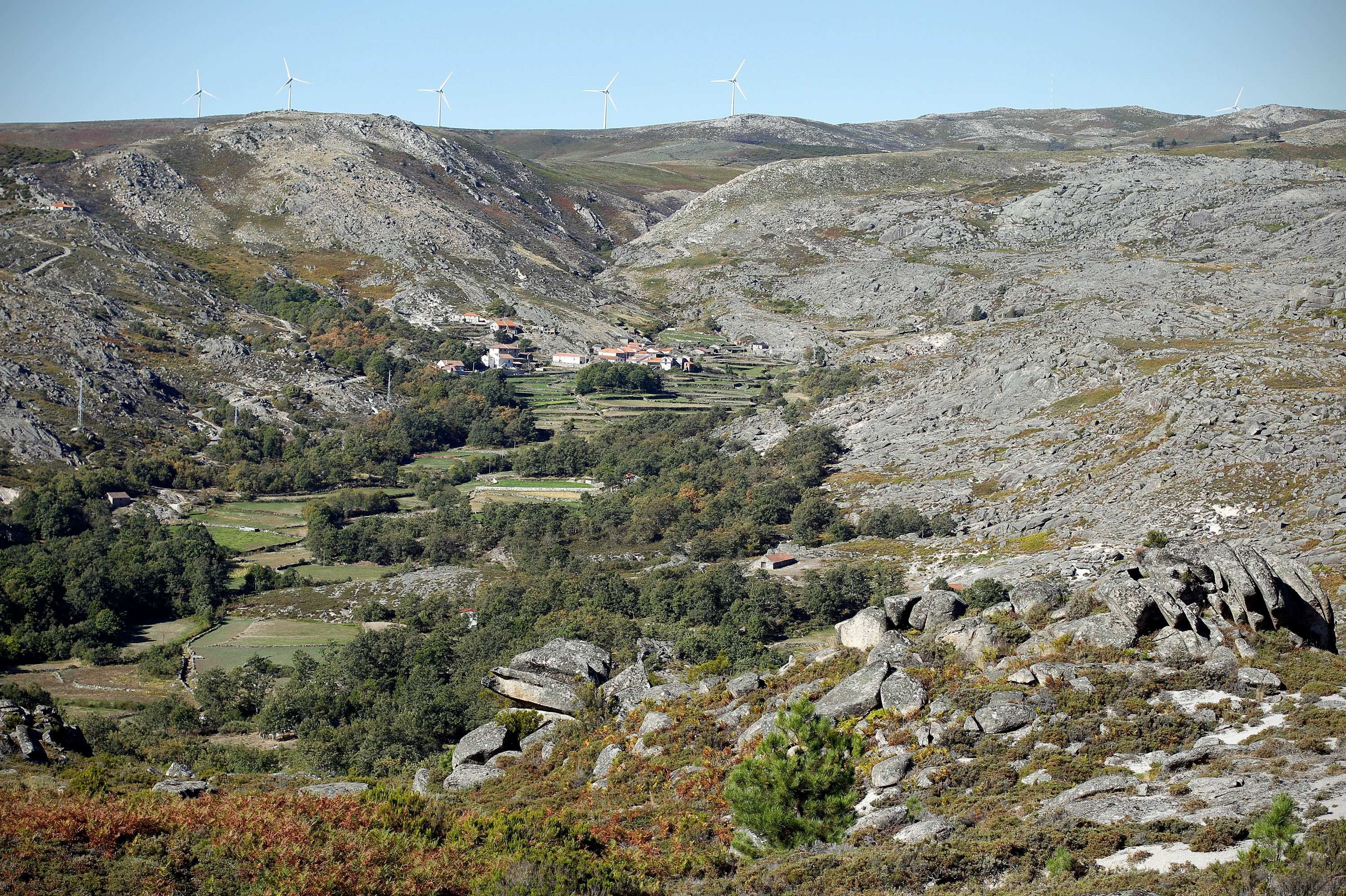
There are three landscape units in succession: a mountain with an adjacent plateau area, predominantly granite; a predominantly quartzite area, with a transition between mountain and valley; lower-lying valleys with steep slopes. From a climatic point of view, the altitudinal variation ranges from a transitional climate between "hot land" and "cold land", to a typical cold land and mountain climate.
While the western slope is Atlantic, the eastern slope is sub-Atlantic as the interior begins to condition the climate, making it increasingly drier.
Vegetation and flora:
The Alvão Natural Park lies very close to the transition zone between two European phyto-climatic regions: the Euro-Siberian and the Mediterranean, and is thus influenced by the humid coastline and the increasingly drier continental interior. Added to this effect is the altitudinal component of the higher parts where a sub-alpine climate is felt. This mixture is responsible for the diversity and differentiation of the vegetation cover. To date, around 486 plant species have been inventoried and referenced, 25 of which are Iberian endemics, 6 are Lusitanian endemics and 23 have conservation status.
Fauna:
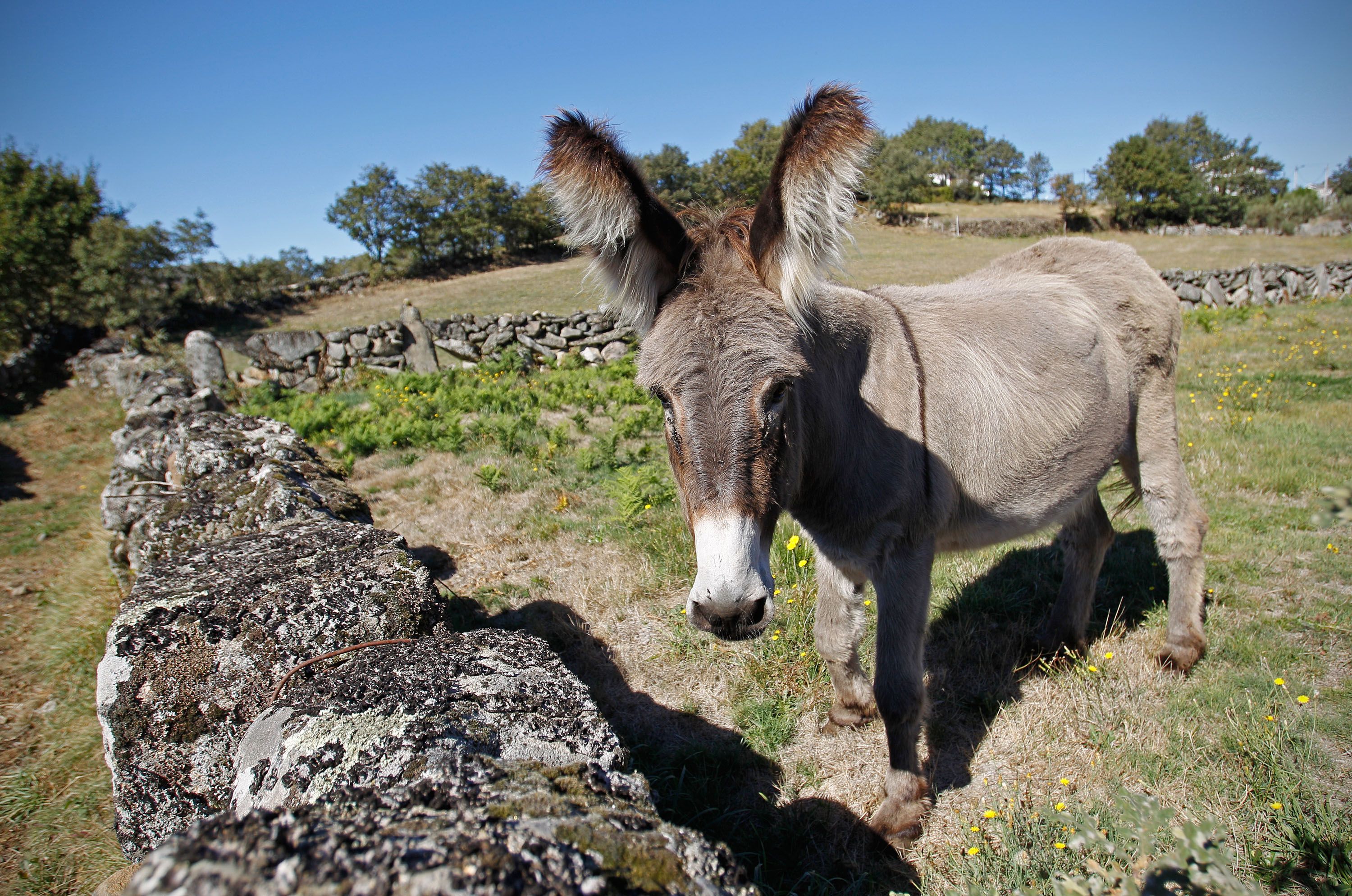
Man's intervention in the Alvão Natural Park has determined the maintenance and balance between the different forms of wildlife. This attitude has contributed to biological diversity by creating new biotope ecological units, agricultural fields, meadows, hedgerows, etc., which are associated with the biotopes.


