

What to visit
Patrimony
Manueline pillory

To save the location as a favorite, you need to have an account
LoginNew around here? Let s go create an account
Description
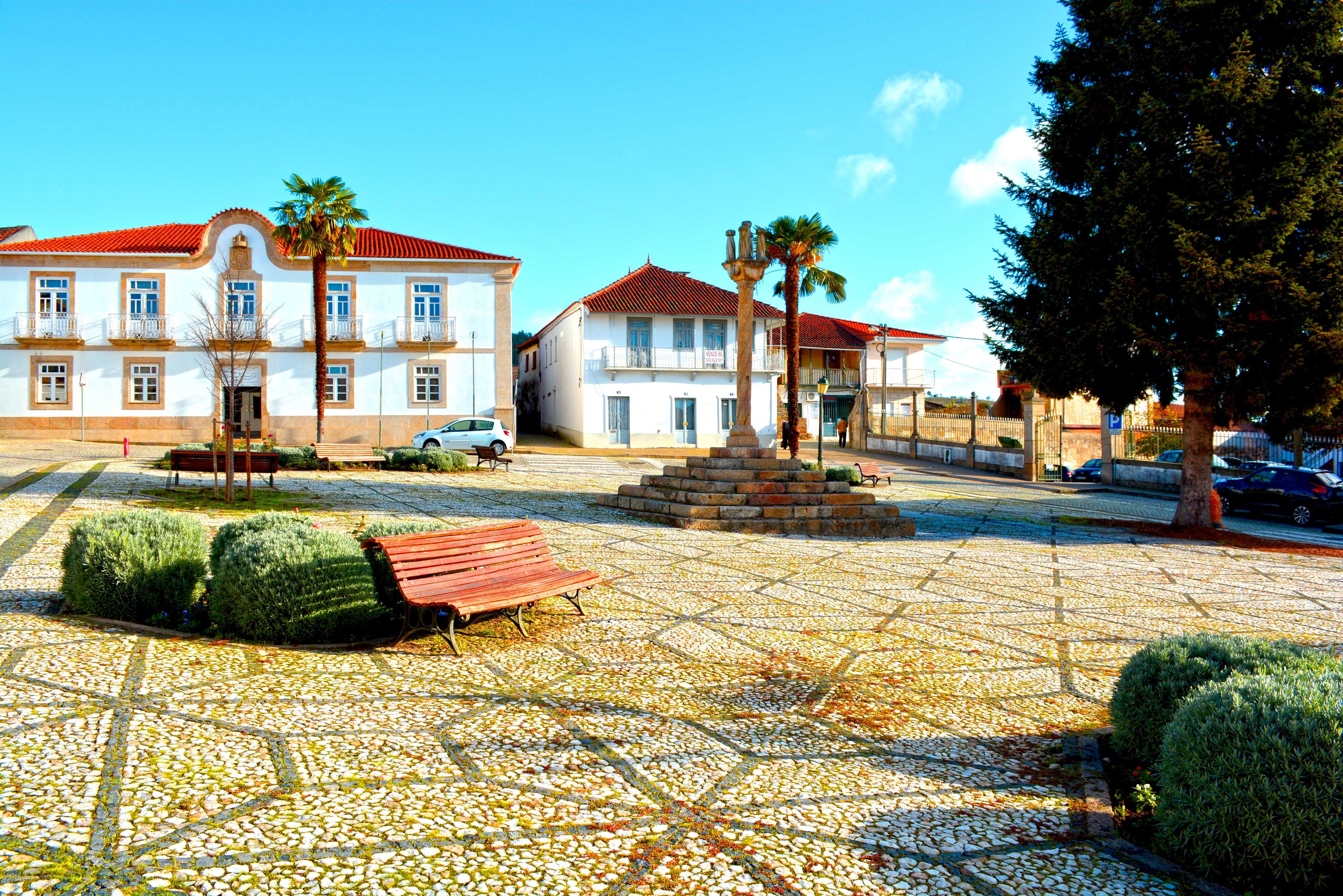
If you take a stroll through the center of Murça, you'll come across the town's pillory. Pillories are historical and artistic monuments. Historically, they were used to carry out punishments and the exposure of the criminal on the gallows was intended to encourage public indignation. However, they were not used to carry out the death penalty, as is commonly thought.
They are distributed throughout the country, with a greater concentration in the Northern Interior, because geographical isolation favored the creation of a self-administration of justice, with pillories being the symbol of municipal autonomy.
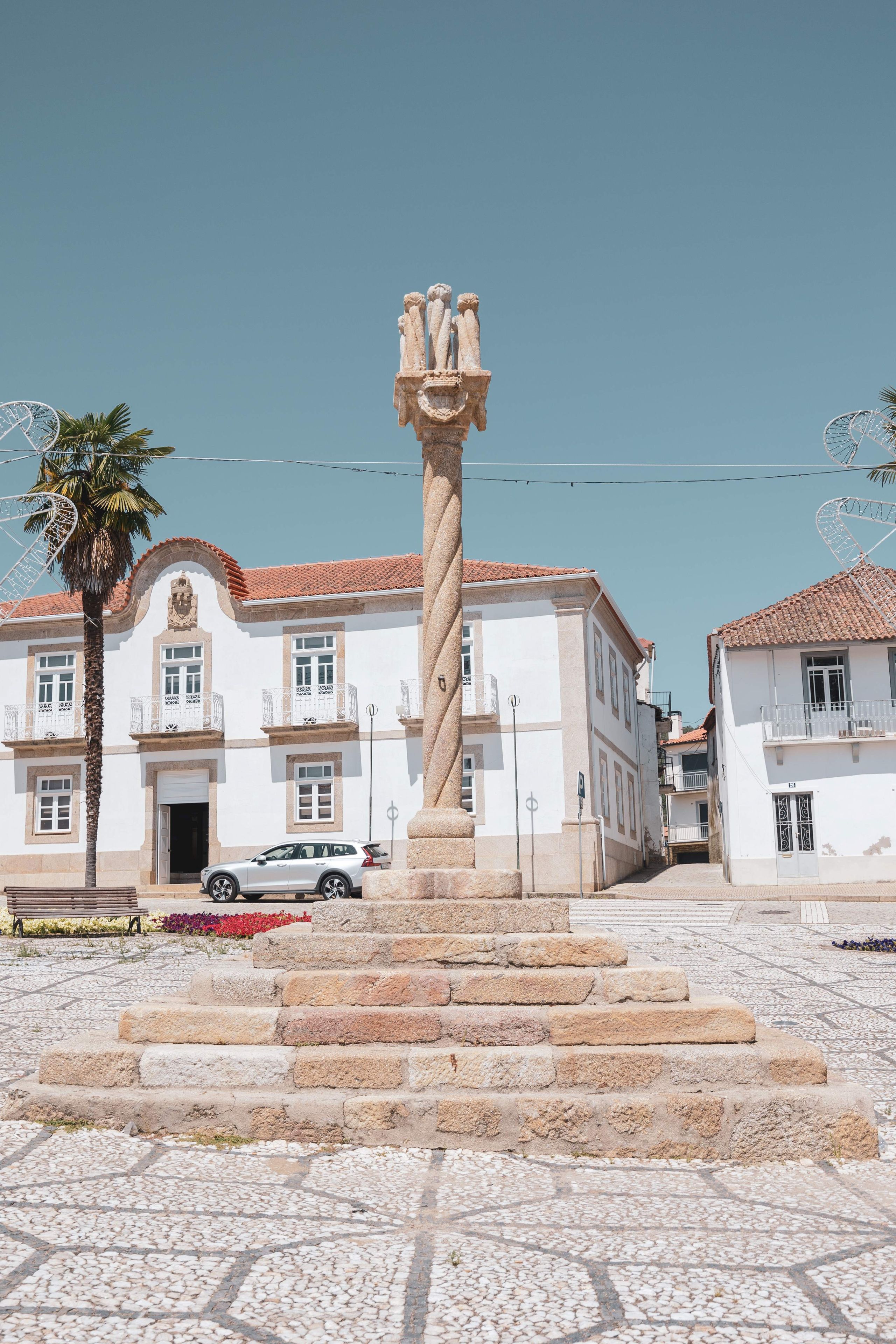
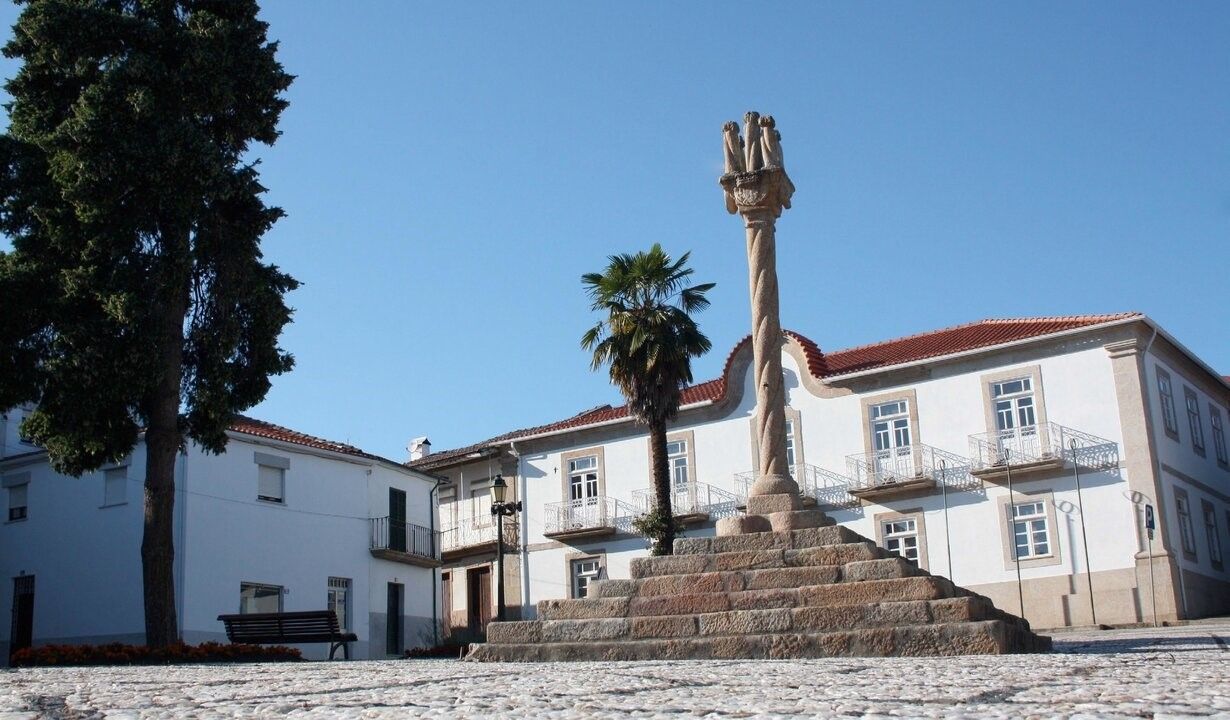
Artistically, pillories are made up of four parts: the platform with its steps, the base in the middle of the platform, from where the stone column emerged with its three elements (base, shaft and capital) and the finial, which is a decorative piece. The Murça pillory is of the tray type, made of granite and dates from the 16th century. When the Murça pillory was in its original position, its base rested on a platform with four square steps.
In order to make it more imposing, it was increased to six. The base supports a cord-like shaft, in the Manueline style, topped by a capital with the coat of arms of King Manuel I on the south-west facing side.
The capital, in turn, is crowned by three small finials, also in the shape of a cord. The side facing southeast bears the coat of arms of the Guedes, grantees of Murça. In the lower third of the shaft is a ring, which, it is said, used to be used to bind the condemned. Simple, elegant and well-preserved, the Murça Pillory is an appreciable work of art.


