

What to visit
Patrimony
Bairro do Castelo

To save the location as a favorite, you need to have an account
LoginNew around here? Let s go create an account
Description
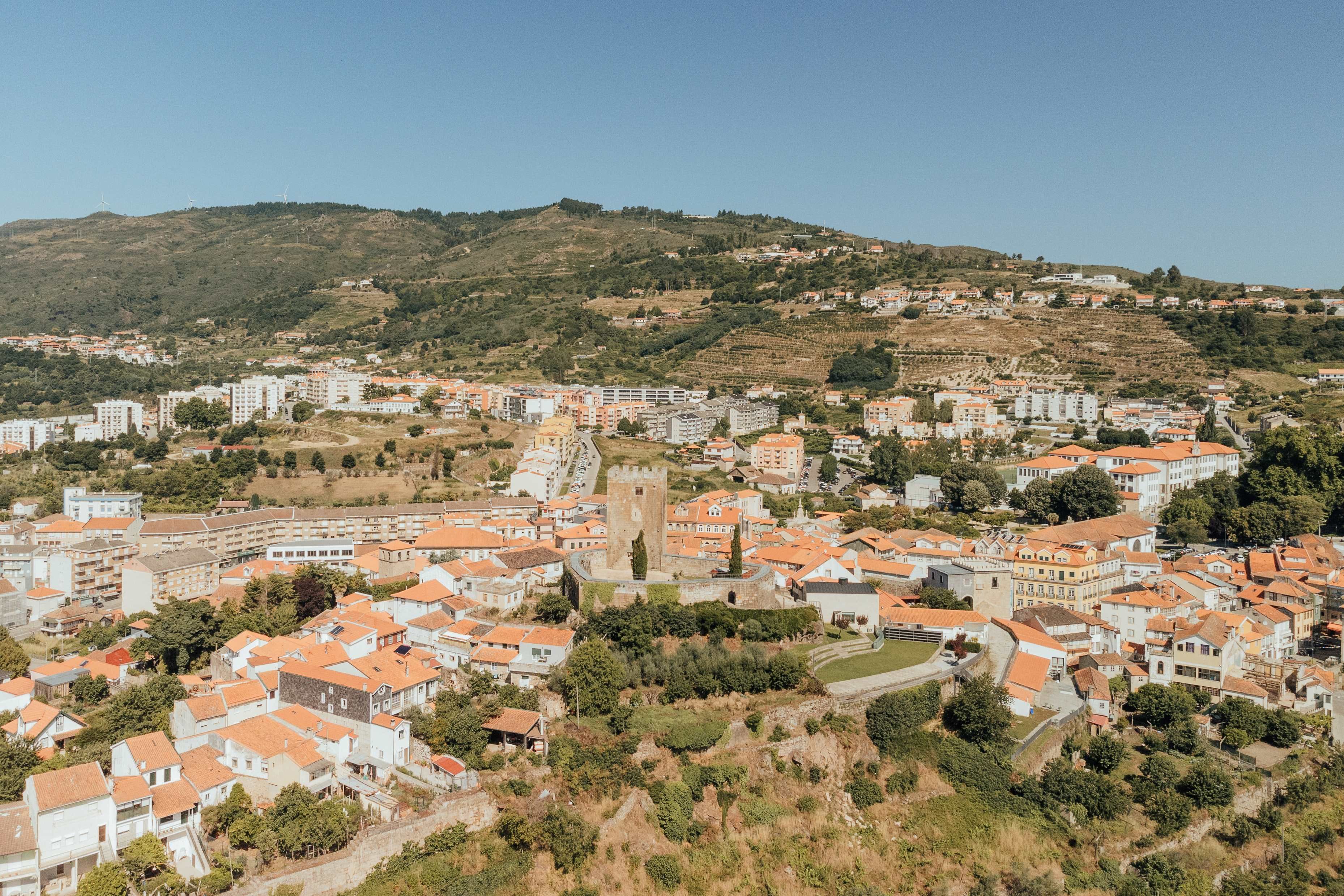
The Castle has been documented since the 10th century, when the Douro Valley was disputed by Christian and Muslim forces, culminating in the definitive "Reconquest" of the city by Ferdinand the Great in 1057.
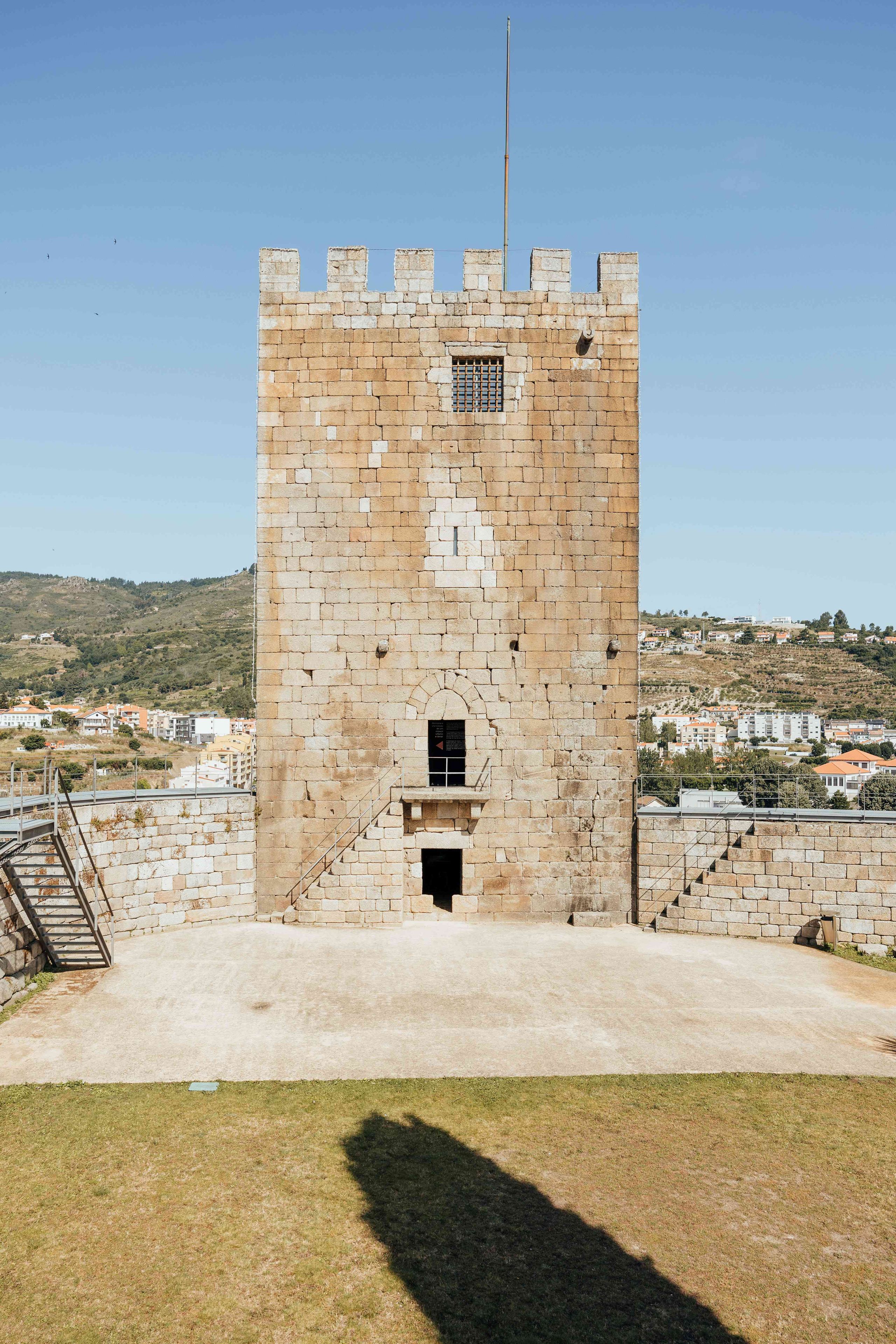
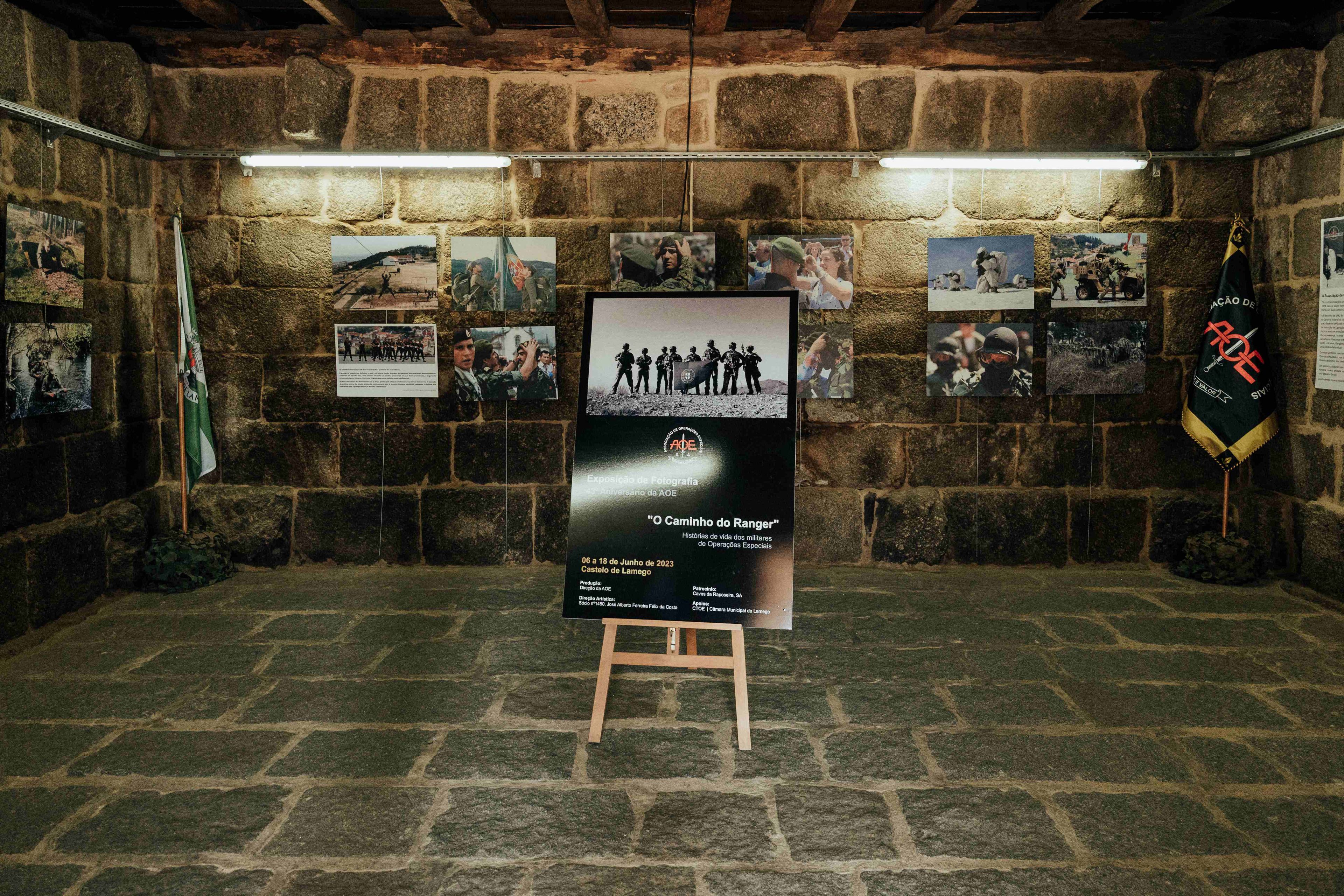
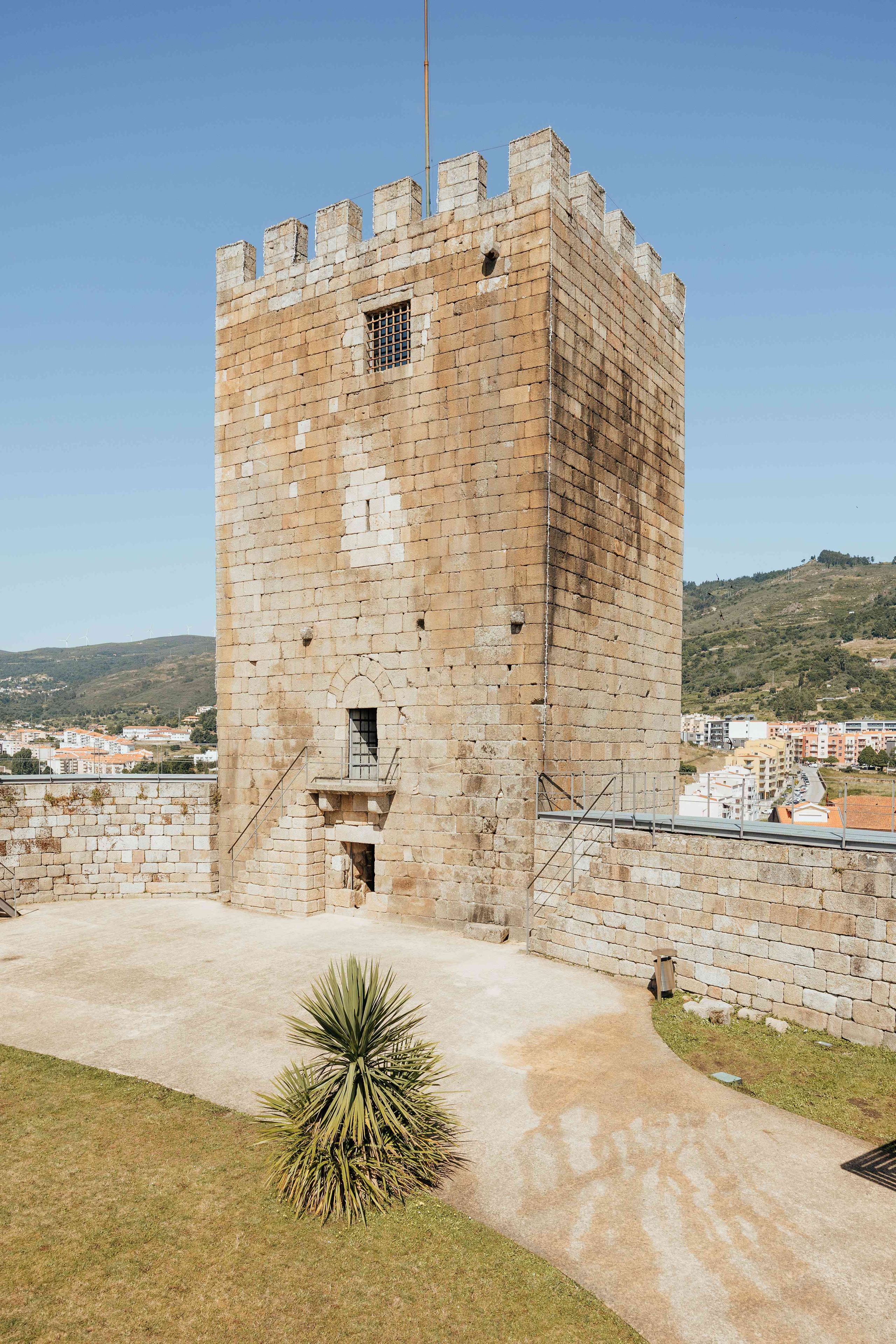
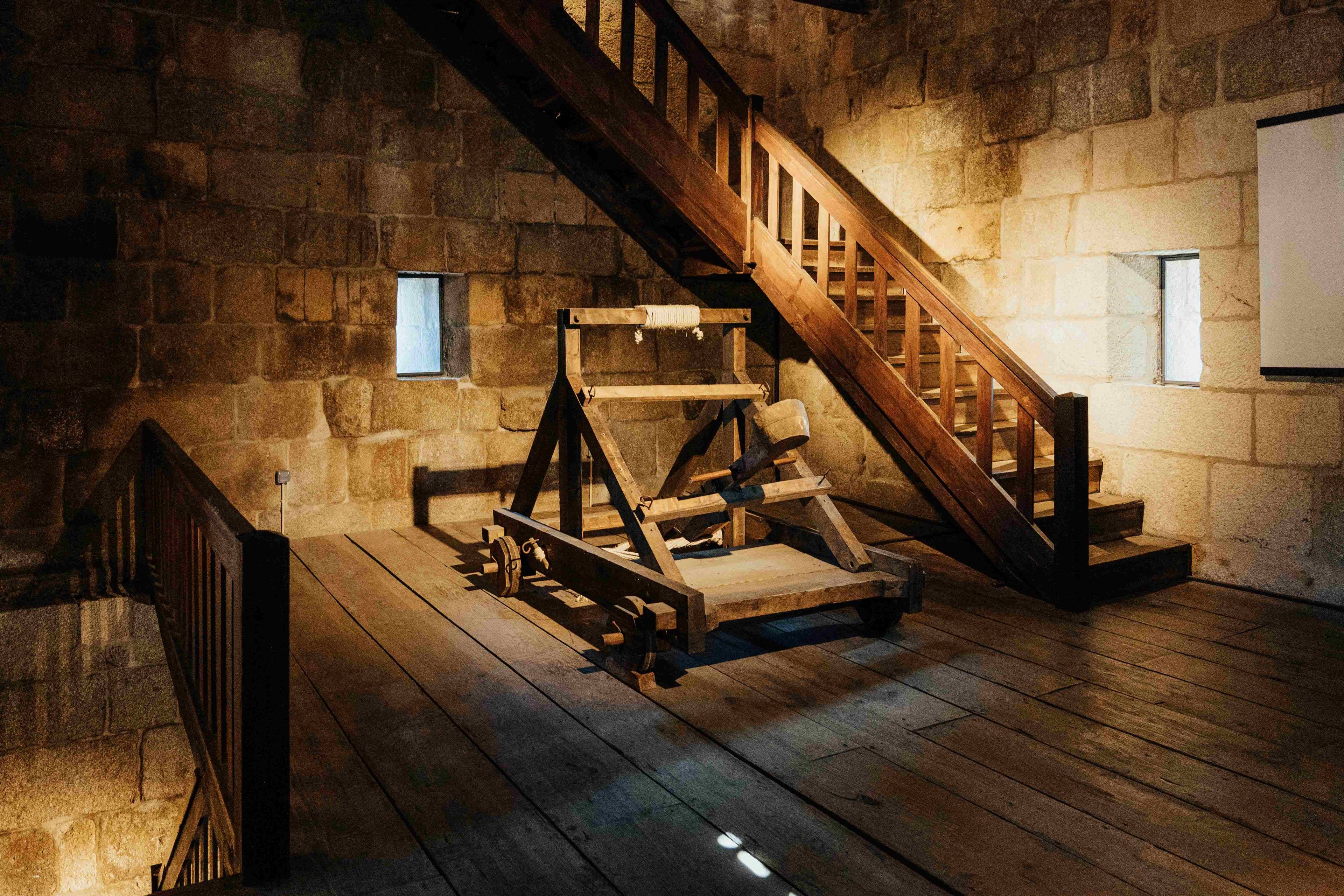
The urban toponymy bears witness to the Islamic presence in Almacave, Almedina and Alvoraçães. In the Castle, sections of the pre-Romanesque phase of the fortification remain, but they are diluted in the Romanesque and Gothic solutions (12th and 13th centuries) of the current Keep and Plaza de Armas. Over time, the Castle has undergone various transformations. This was also the site of the Paço dos Condes, the manor house of the Coutinhos, counts of Marialva, built in the 14th century. In addition to the remains of these "muy fermosos paços", already ruined in 1532, archaeological research has revealed the presence of a cemetery related to the disappeared temple of S. Salvador. The refurbishment of the monument has enabled it to be visited, and it is possible to walk around the adarve of the walled enclosure and the keep, which houses an exhibition space.
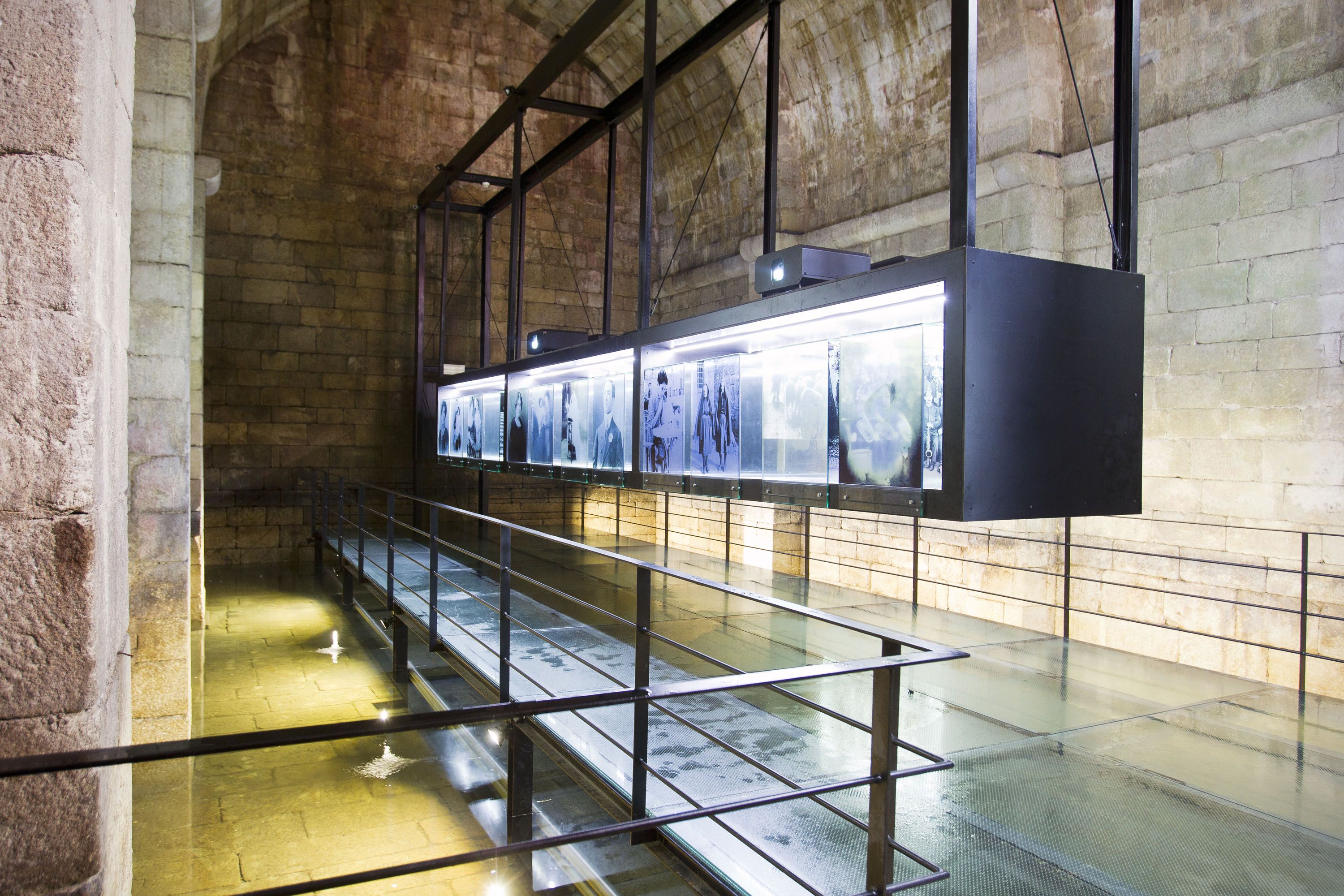
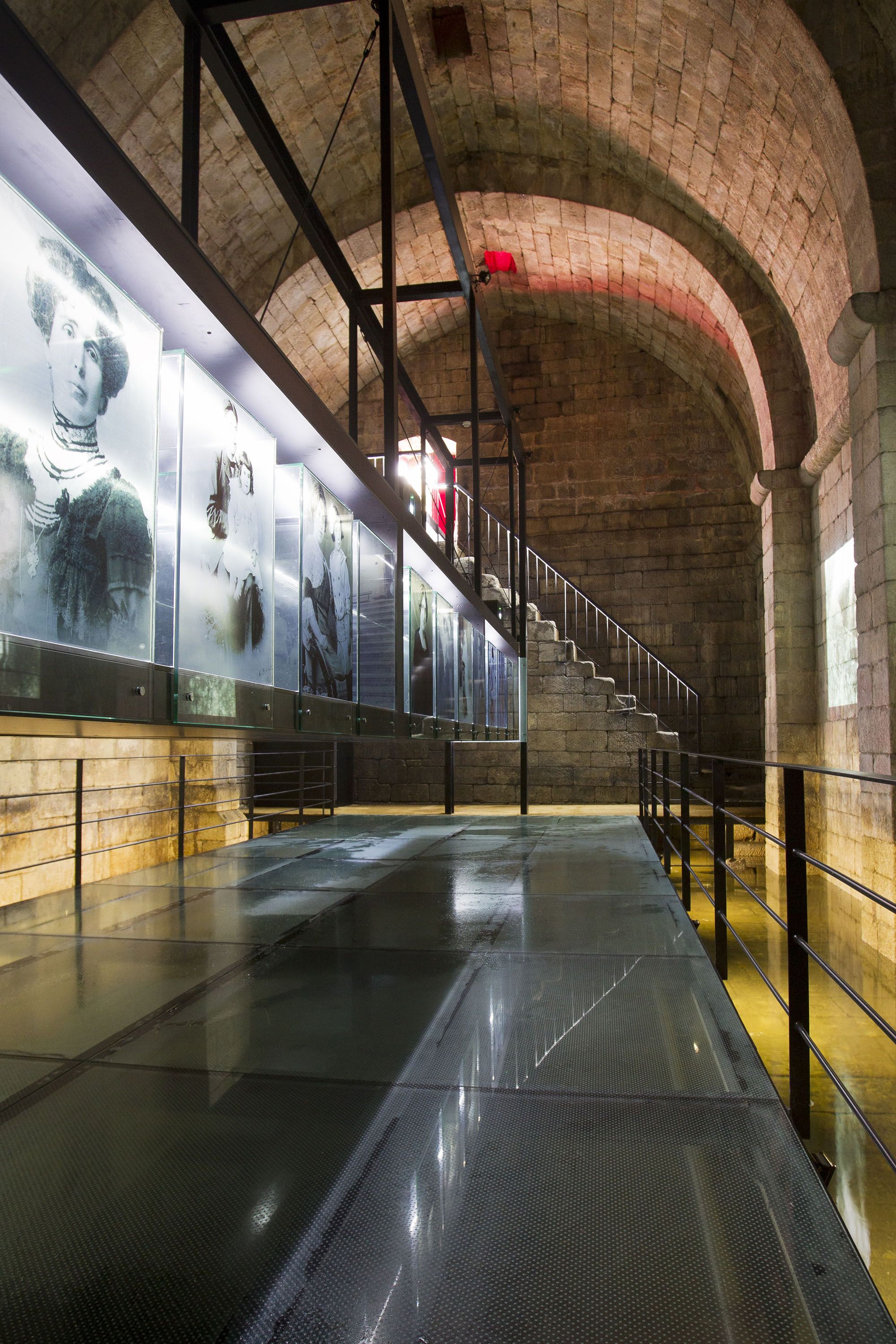
The Cistern, located inside the walled enclosure that protected the city, is rightly considered one of the most remarkable urban cisterns of the medieval period (13th-14th centuries). It is a large reservoir with a vaulted structure made of granite ashlar. The slabbed floor of the upper terrace has a double slope, allowing rainwater to be collected inside the cistern. It is also home to the four openings which, over successive generations, have enabled the urban population to obtain the water they need for their daily activities. The recent restoration of the monument has made it possible to visit the interior of the cistern, which has now been transformed into an exhibition space.
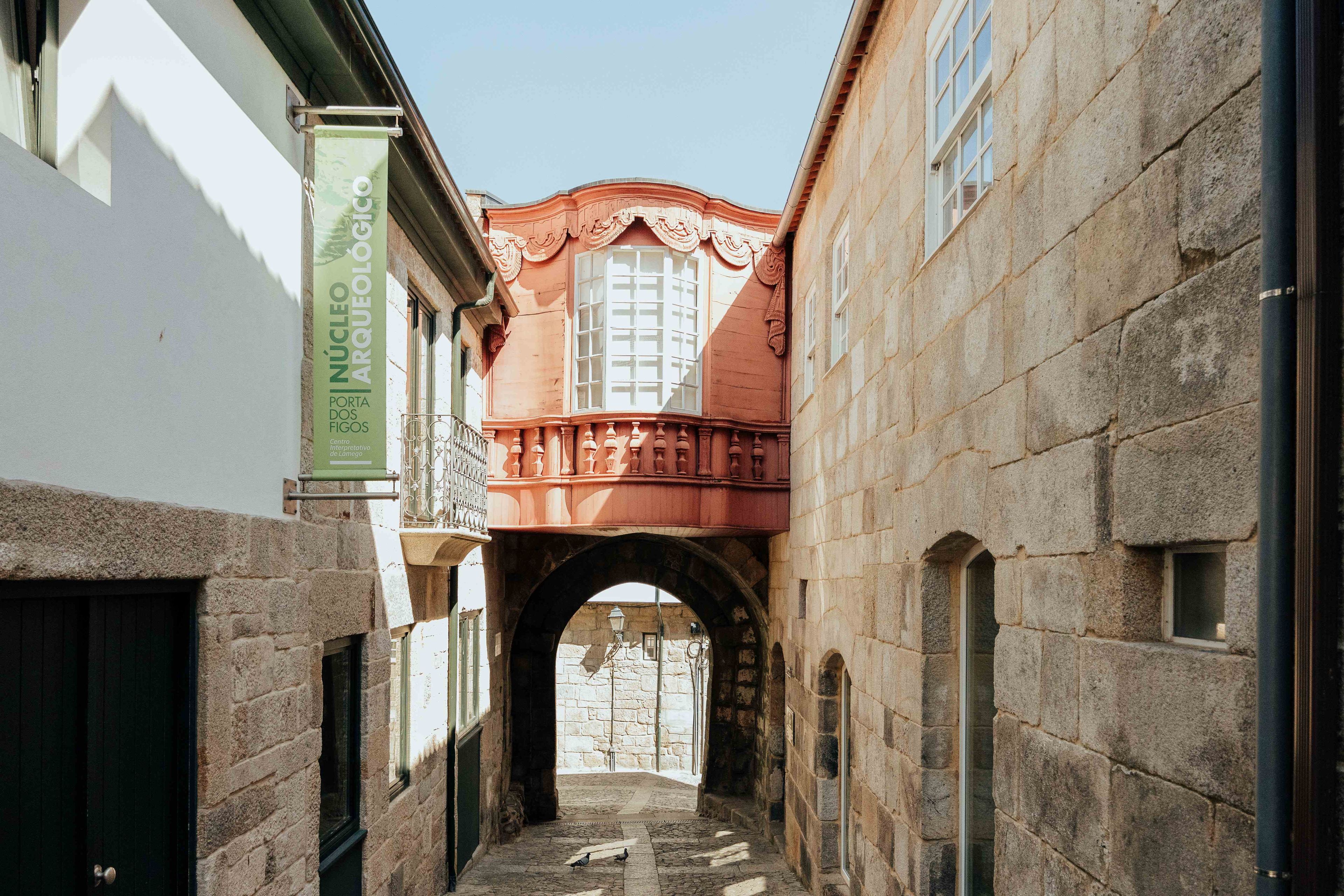
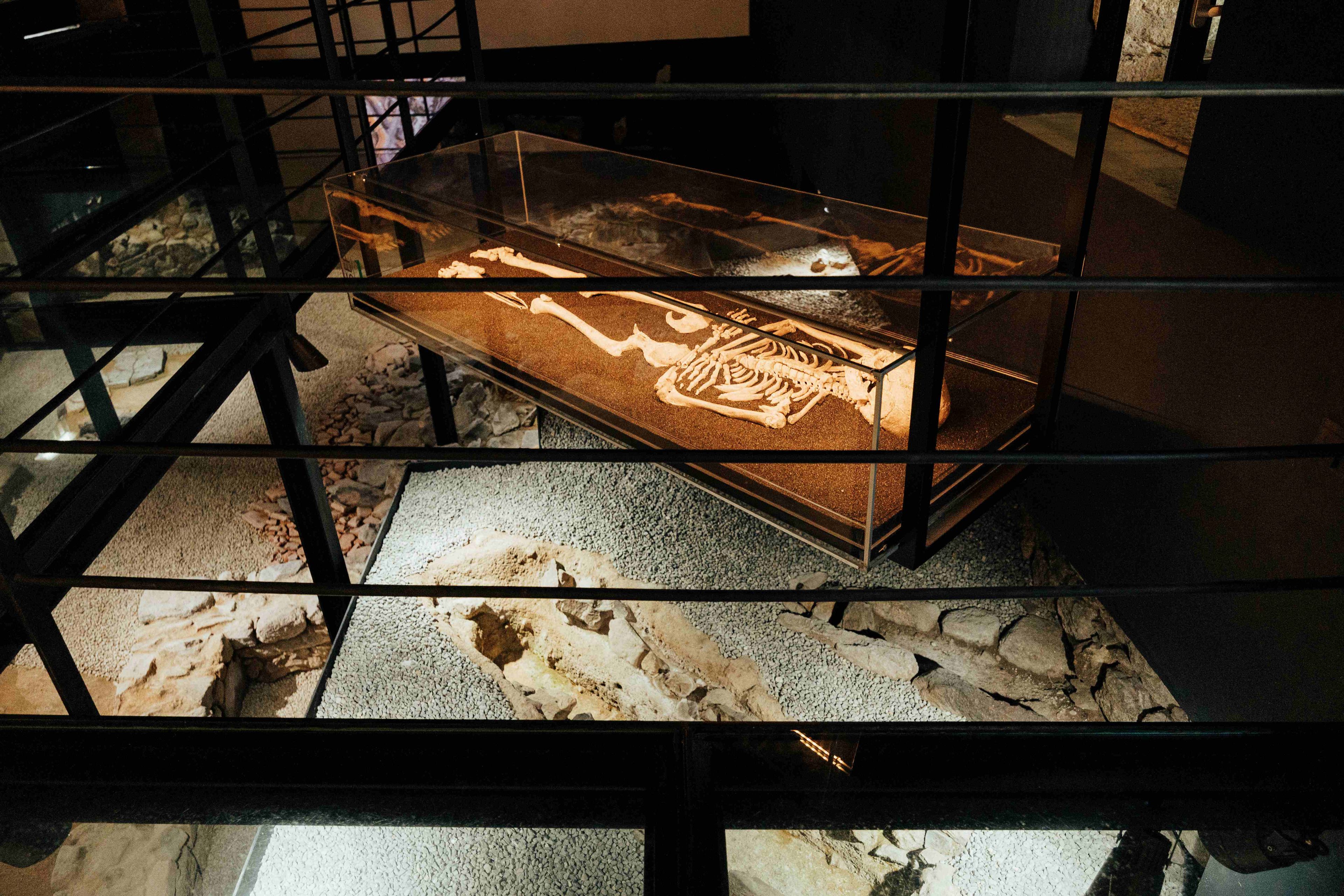
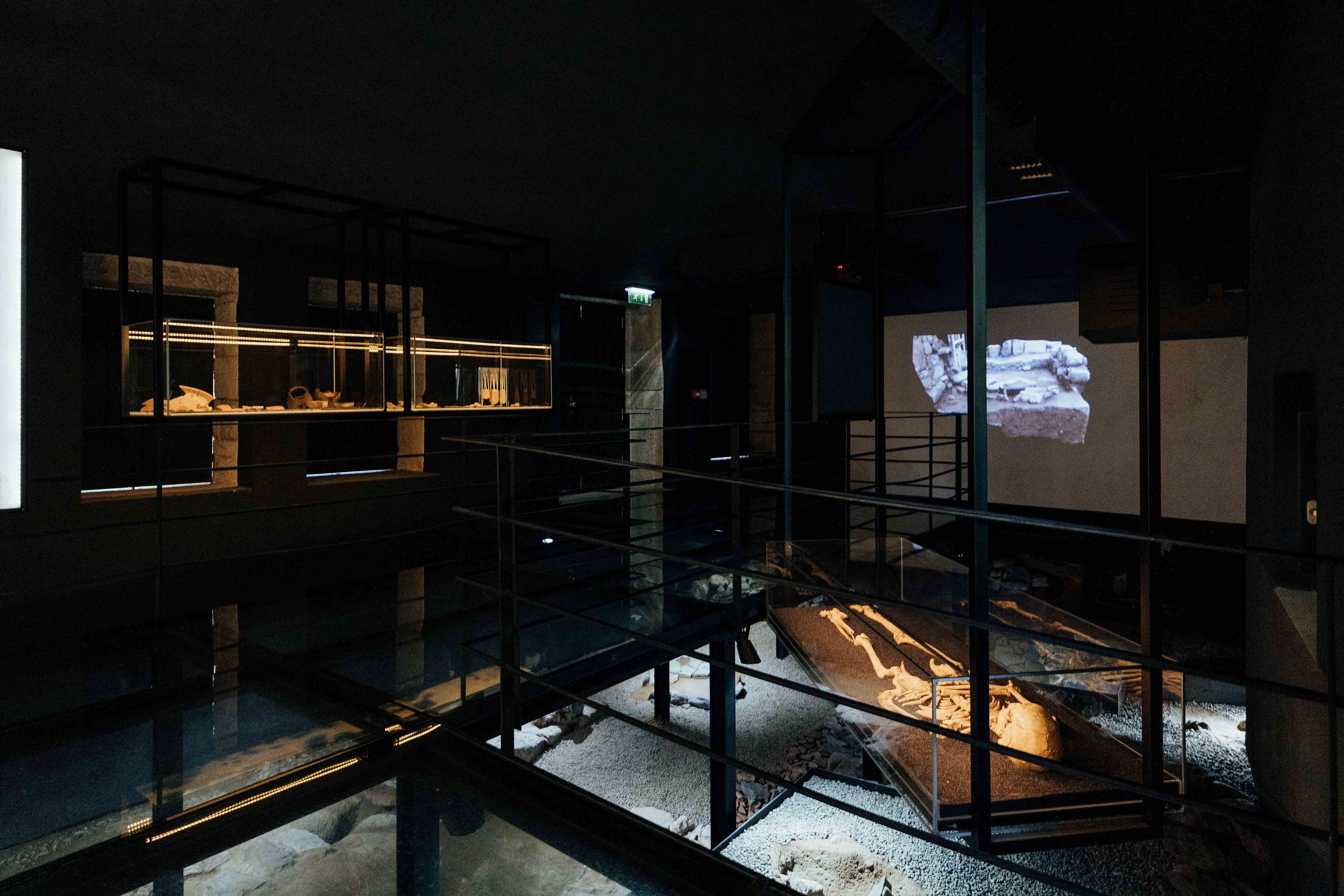
The Porta dos Figos Archaeological Site is the most important archaeological site discovered in Lamego and illustrates the dynamic transformation of the city over more than two thousand years of its history. Arranged in overlapping "layers", the remains offer a "journey back in time", from the earliest residential occupation of that space, in the Roman (1st to 5th centuries) and Suevi-Visigoth (5th to 7th centuries) periods, when the city was in its infancy. V-VII), when the city was promoted to an episcopal see, through to its transformation into a cemetery (IX-XI centuries), which was abandoned to make way for the city's new walled belt (XII-XIII centuries) and the houses that are the origin of the current urbanism of the Bairro do Castelo.
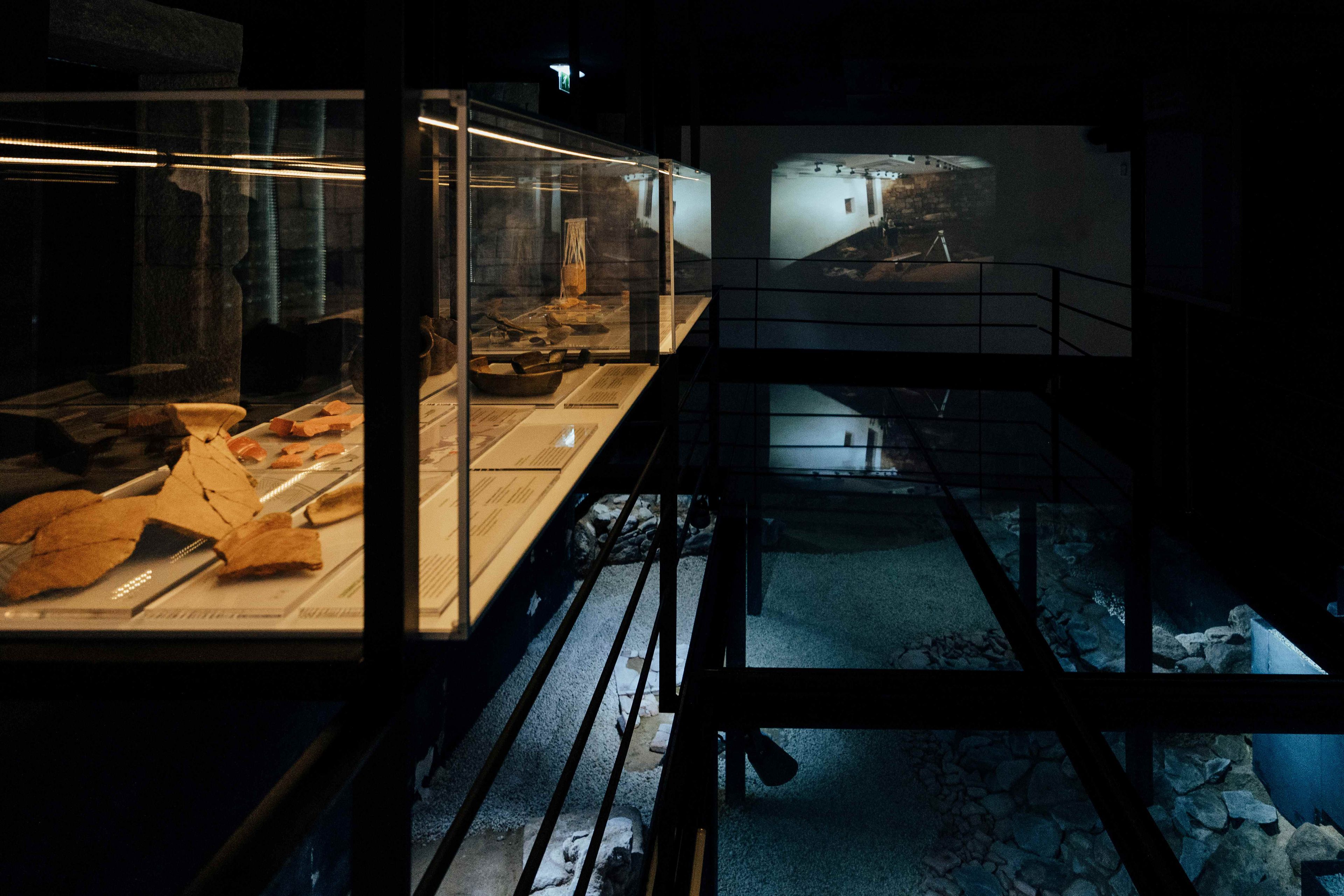
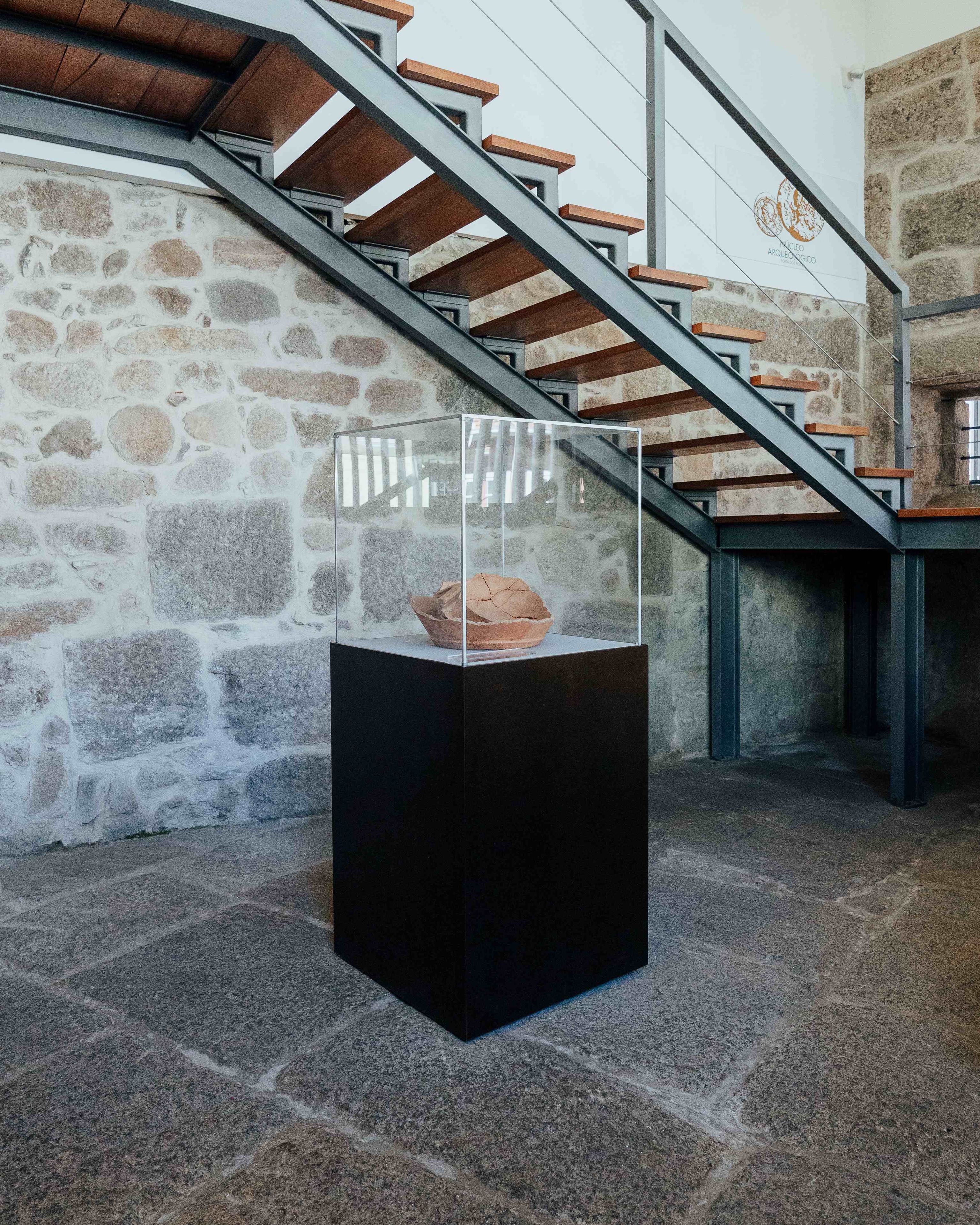
Visitors have the opportunity to explore the archaeological structures accompanied by a video projection and a display of objects found at the site, especially an important Roman monetary treasure from the end of the 4th century, as well as pieces of ceramics, glass and other objects that illustrate the daily lives of those who inhabited the area over time. An interactive screen allows you to explore information about the cemetery and the bioanthropological data of the people buried there.


