

What to visit
Museums
Penedono Interpretation Center

To save the location as a favorite, you need to have an account
LoginNew around here? Let s go create an account
Description
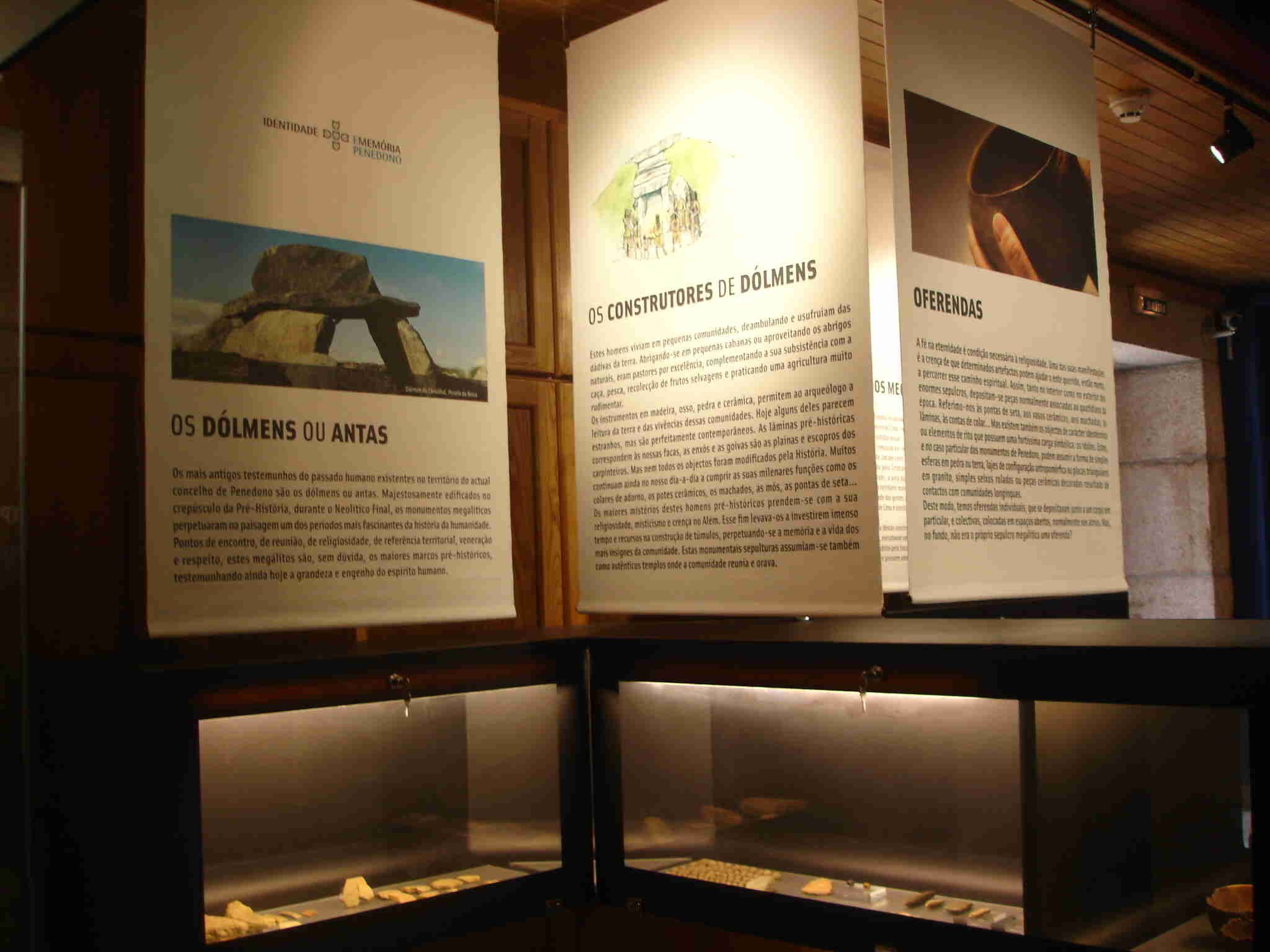
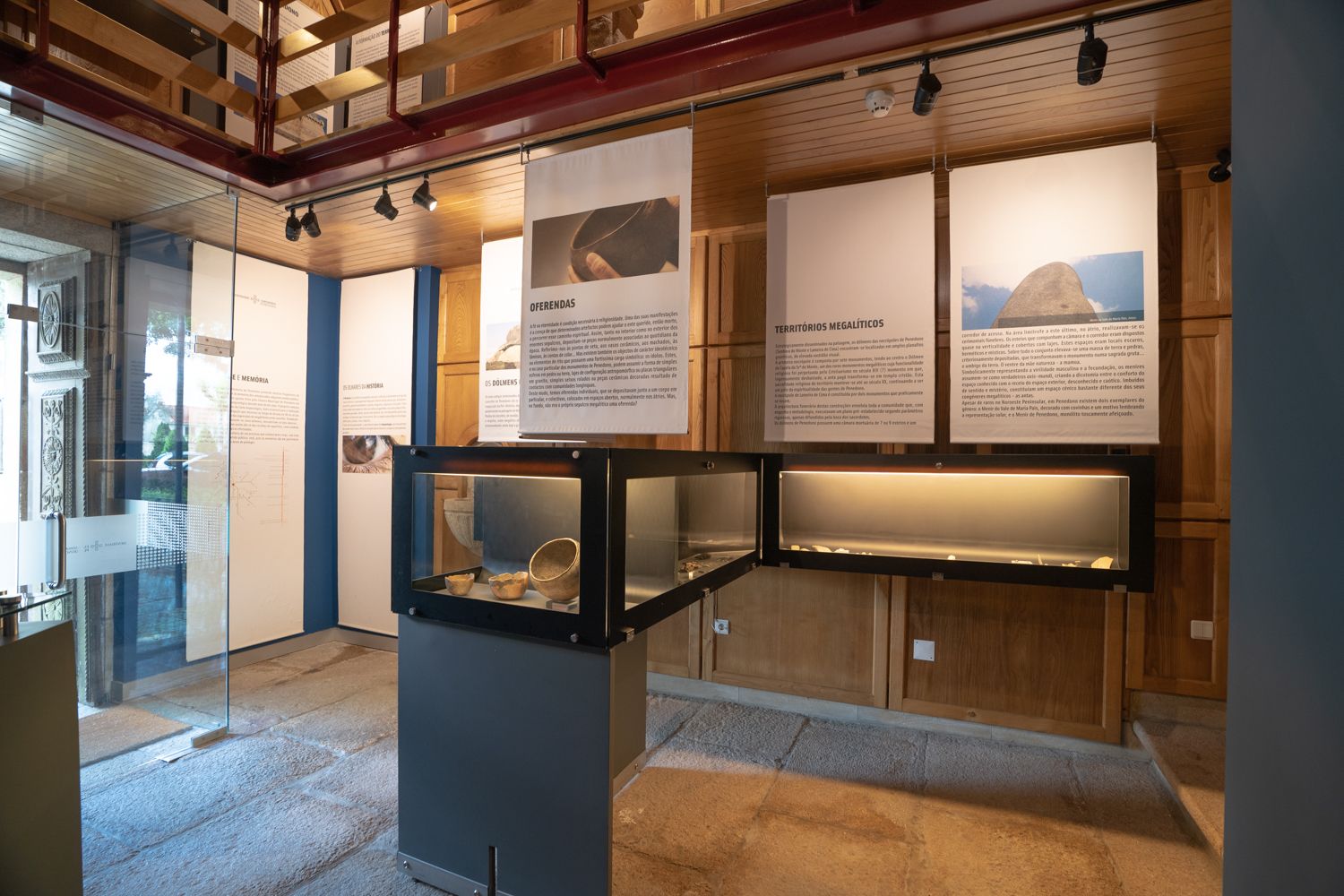
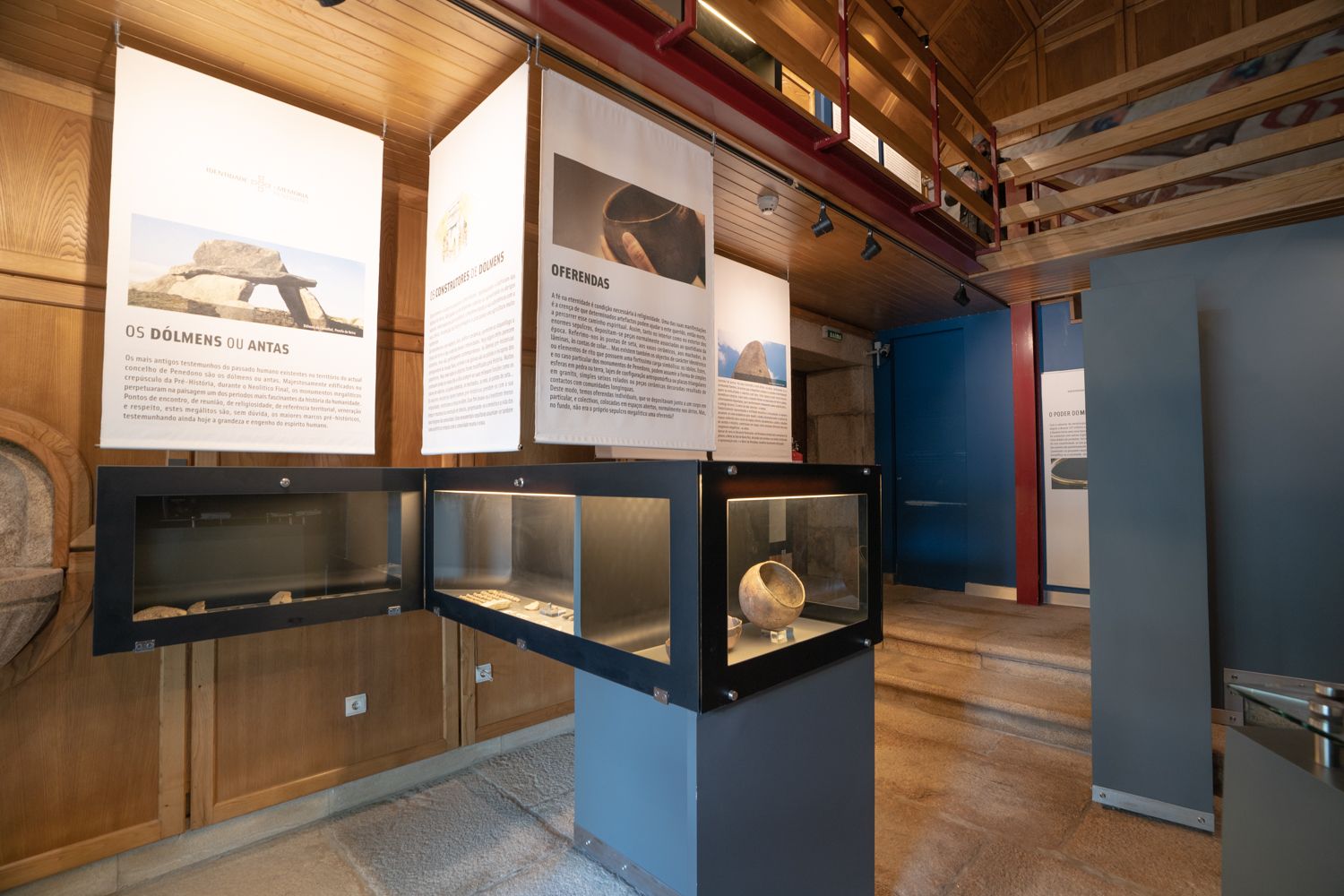
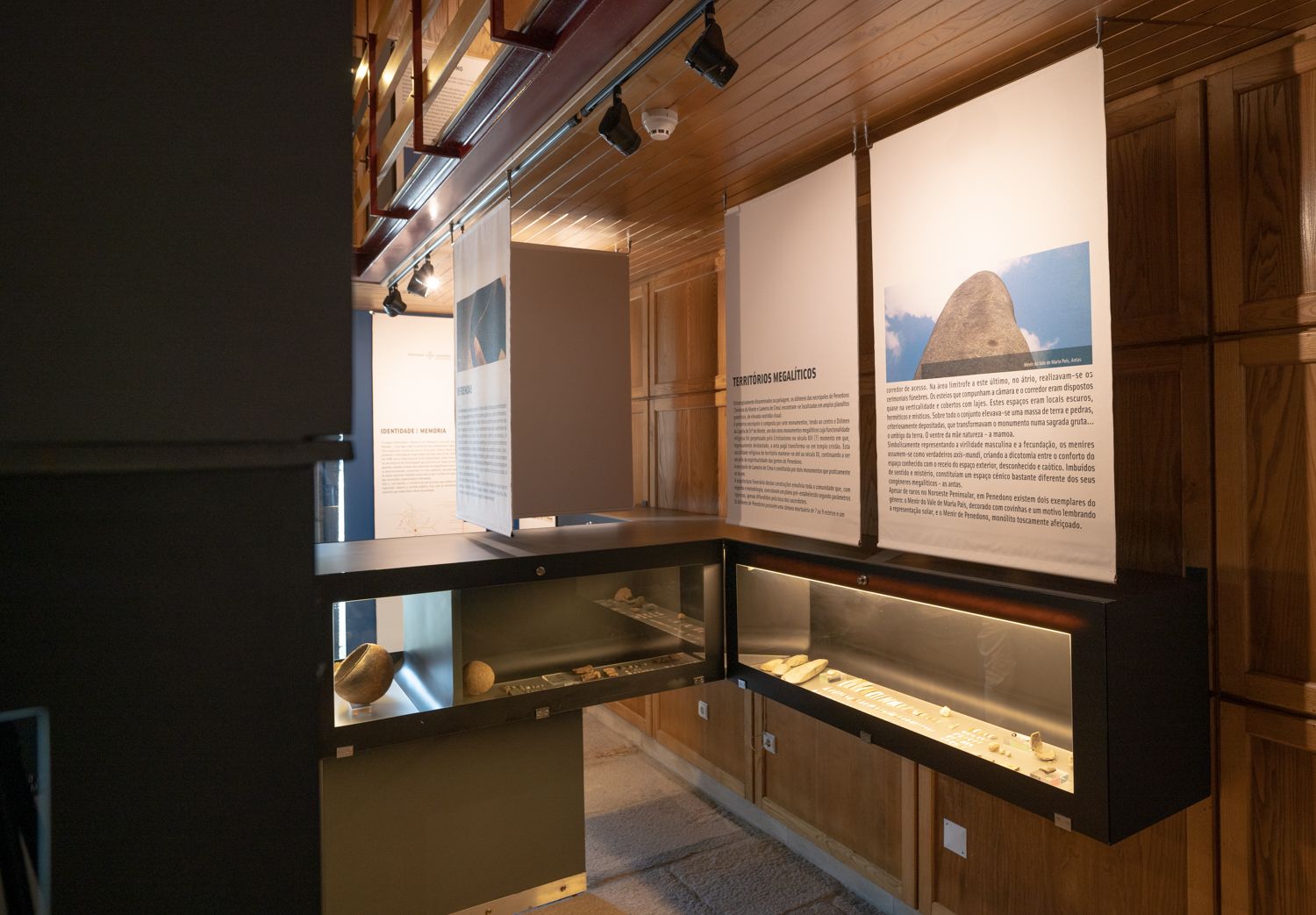
The Penedono Identity and Memory space aims to show fragments of the past... It is a place where the memories of ancestors acquire an aesthetic sense. The moment when the first human communities wandered and lived in the lands of Penedono is lost in the mists of time. However, towards the end of the 5th/beginning of the 4th millennium BC, we see the presence of shepherds par excellence, who supplemented their subsistence by hunting, fishing, gathering plant resources provided by nature and practicing agriculture, which was still very rudimentary. Among other things, ceramic containers, arrowheads, blades, axes, hoes and gouges, millstones, as well as objects of adornment made from the most distinctive rocks and minerals. Their concern for life after death led them to build large stone tombs - Dolmenes - reserved for the deposition of the bodies or skeletal remains of a restricted number of individuals. In Penedono there are the necropolises of Senhora do Monte and Lameira de Cima. In the first centuries of our era, the Romanization of Penedono was witnessed, in most cases, by simple fragments of construction, industrial or domestic ceramics, columns or millstones scattered on the surface of the land. Particular attention should be paid to the gold mines of Santo António, presumably already exploited by the Romans, the site of Casteidal, the votive altar of Quinta da Arca and the rock inscriptions of Rodelas and Marcadouro (Penela da Beira). The Middle Ages in Penedono were marked by the reconquest of the territory from the Arabs by King Fernando I, O Magno, between 1055 and 1057.


