

What to visit
Patrimony
Sanctuary of Nossa Senhora Dos Remédios

To save the location as a favorite, you need to have an account
LoginNew around here? Let s go create an account
Description
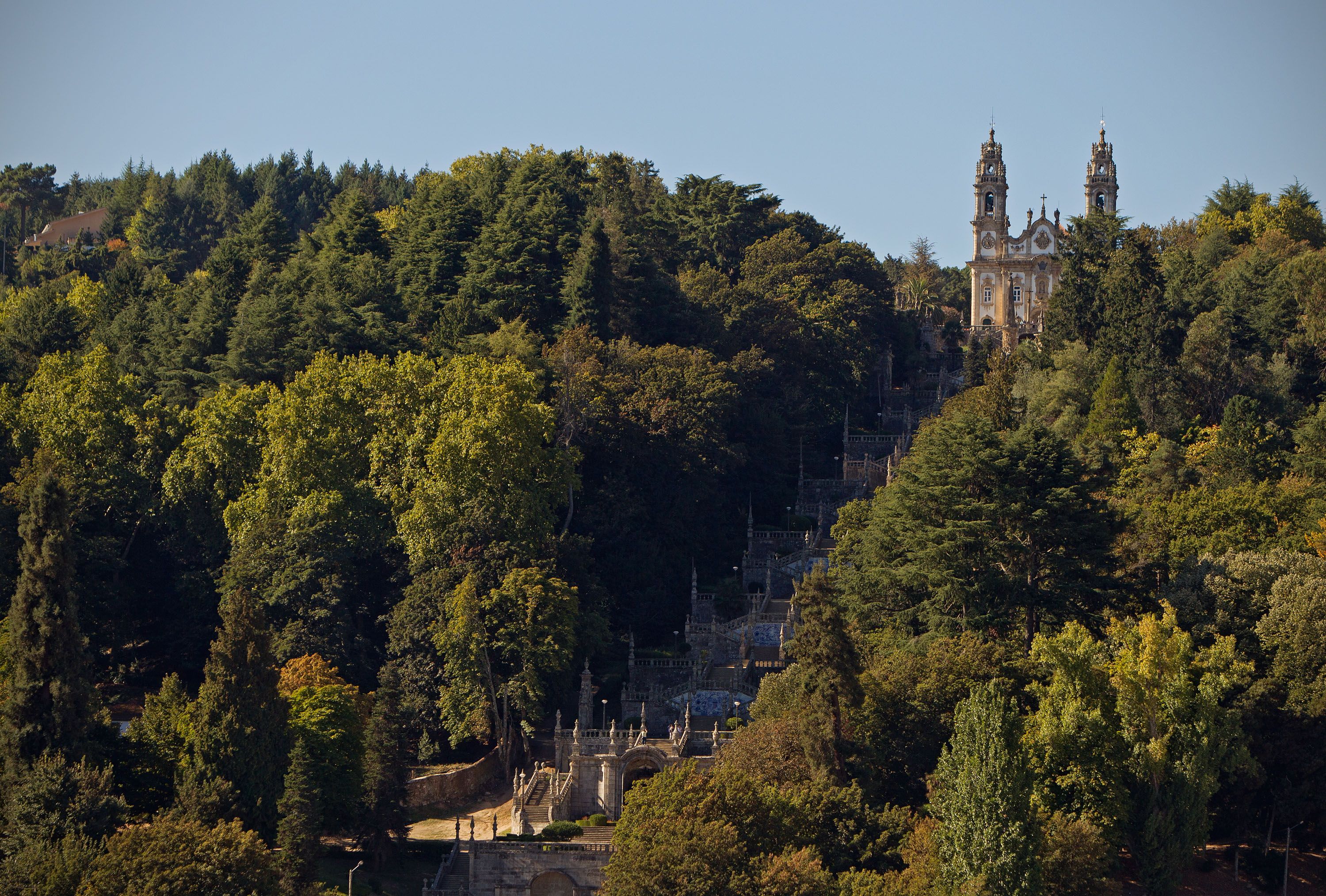
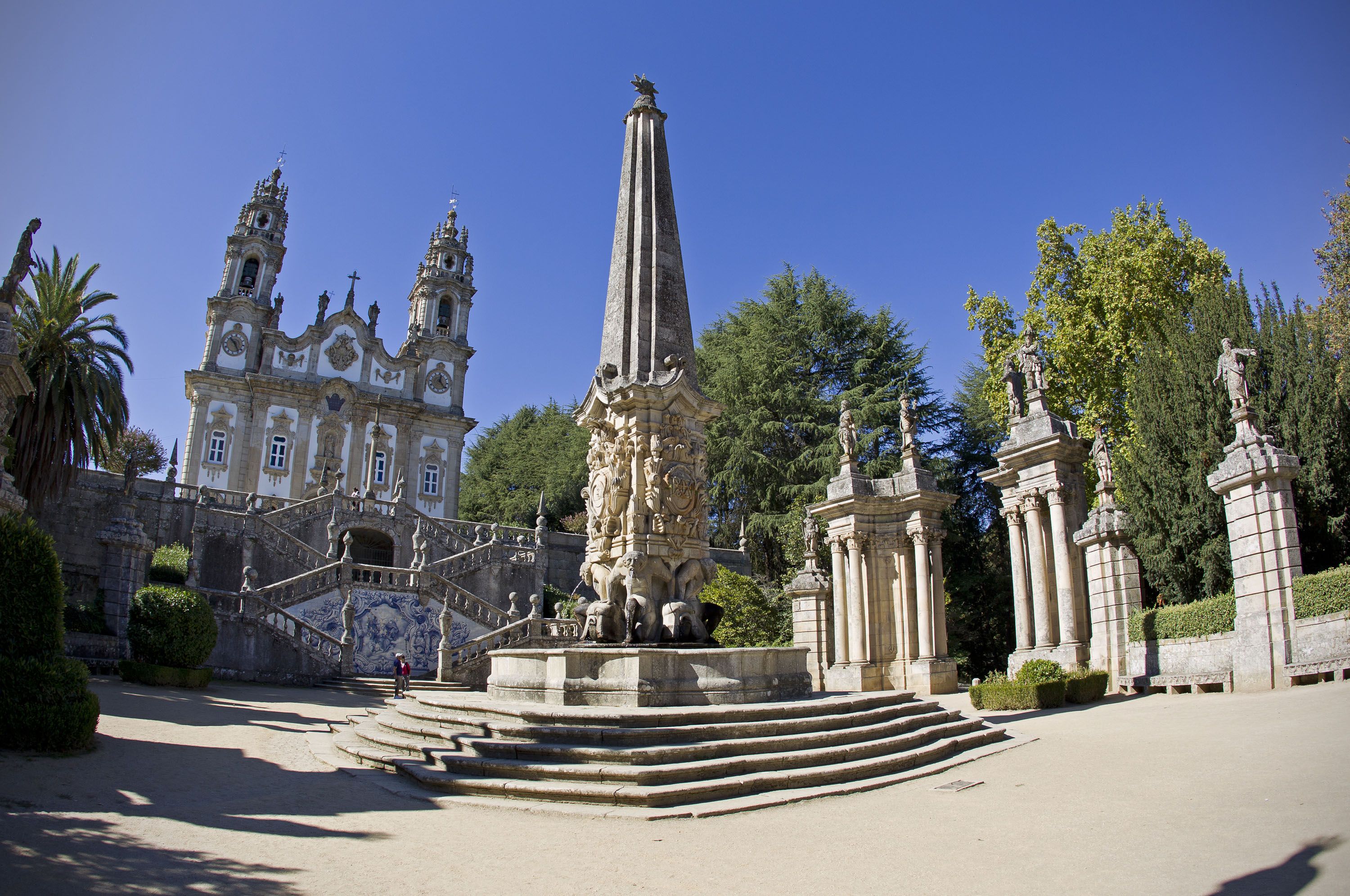
The Sanctuary of Nossa Senhora Dos Remédios, in Lamego, began to be built in 1750 and was completed in 1905, occupying the hill where a chapel dedicated to St. Stephen had stood since the 14th century. In the 16th century, this chapel was threatened with ruin and a new church was built by the city's bishop, where the image of the virgin with the child on her lap was also placed.
Over time, devotion to Santo Estêvão waned and devotion to the virgin grew, who was the target of the prayers of those who suffered from illnesses and needed help, thus giving rise to the devotion to Senhora dos Remédios.
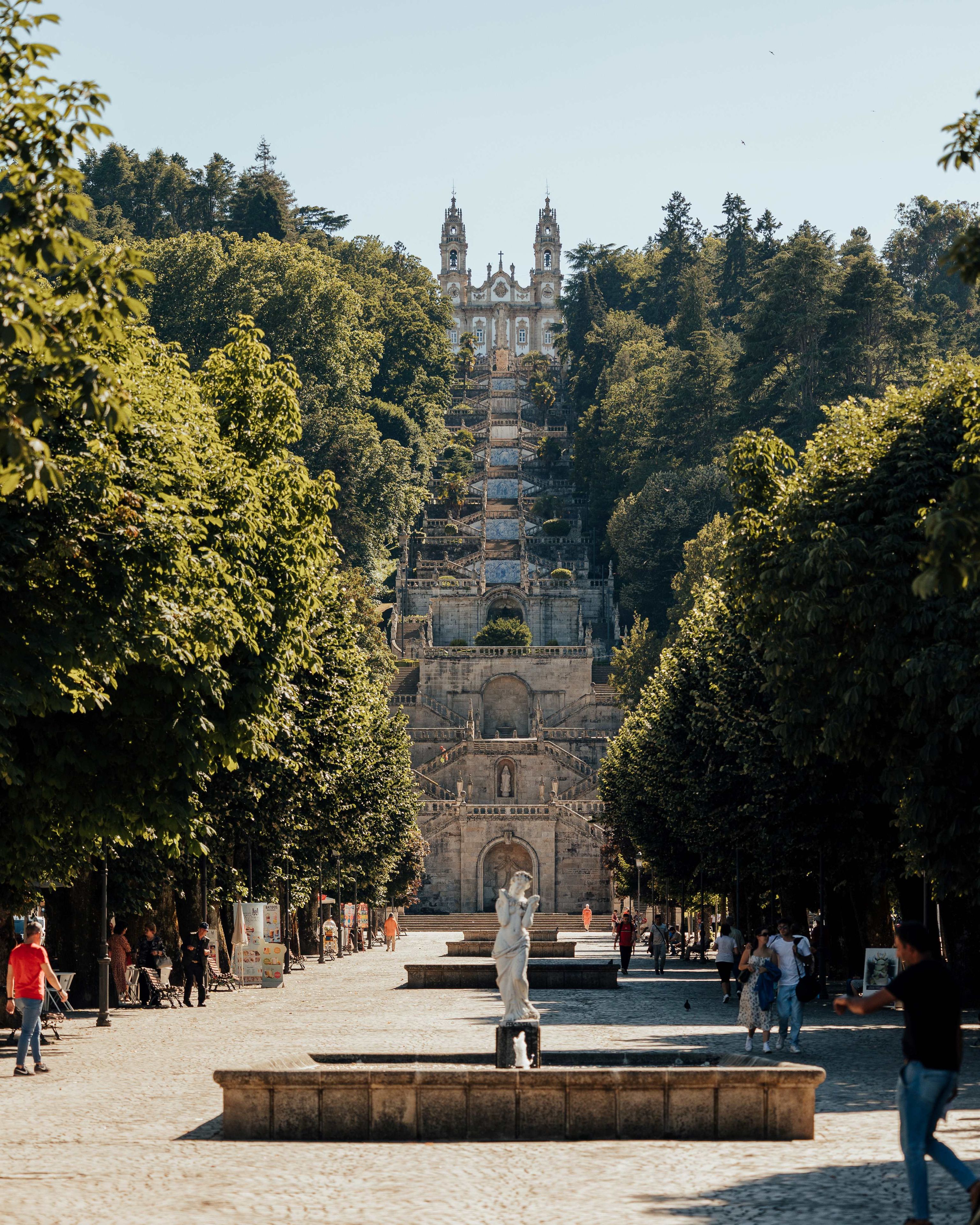
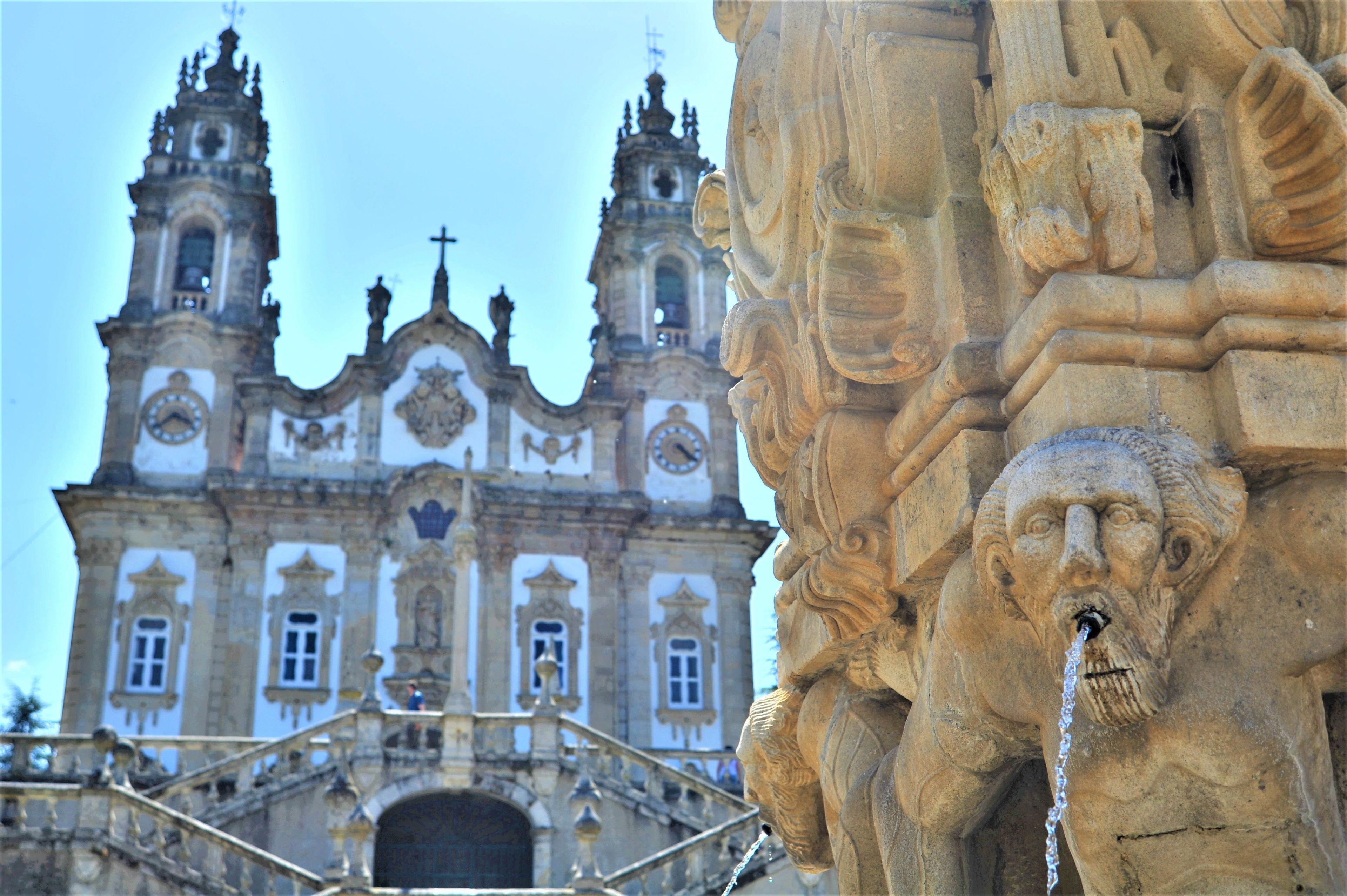
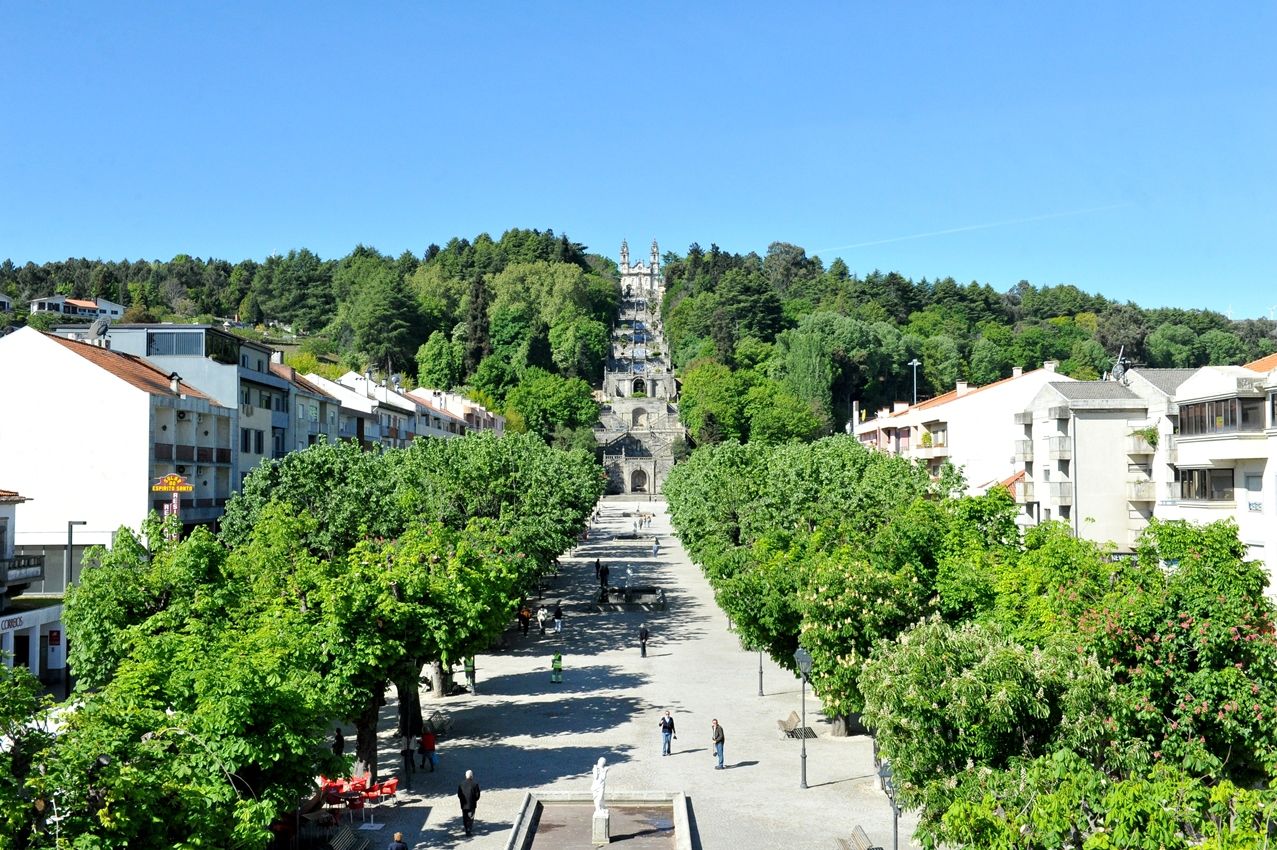
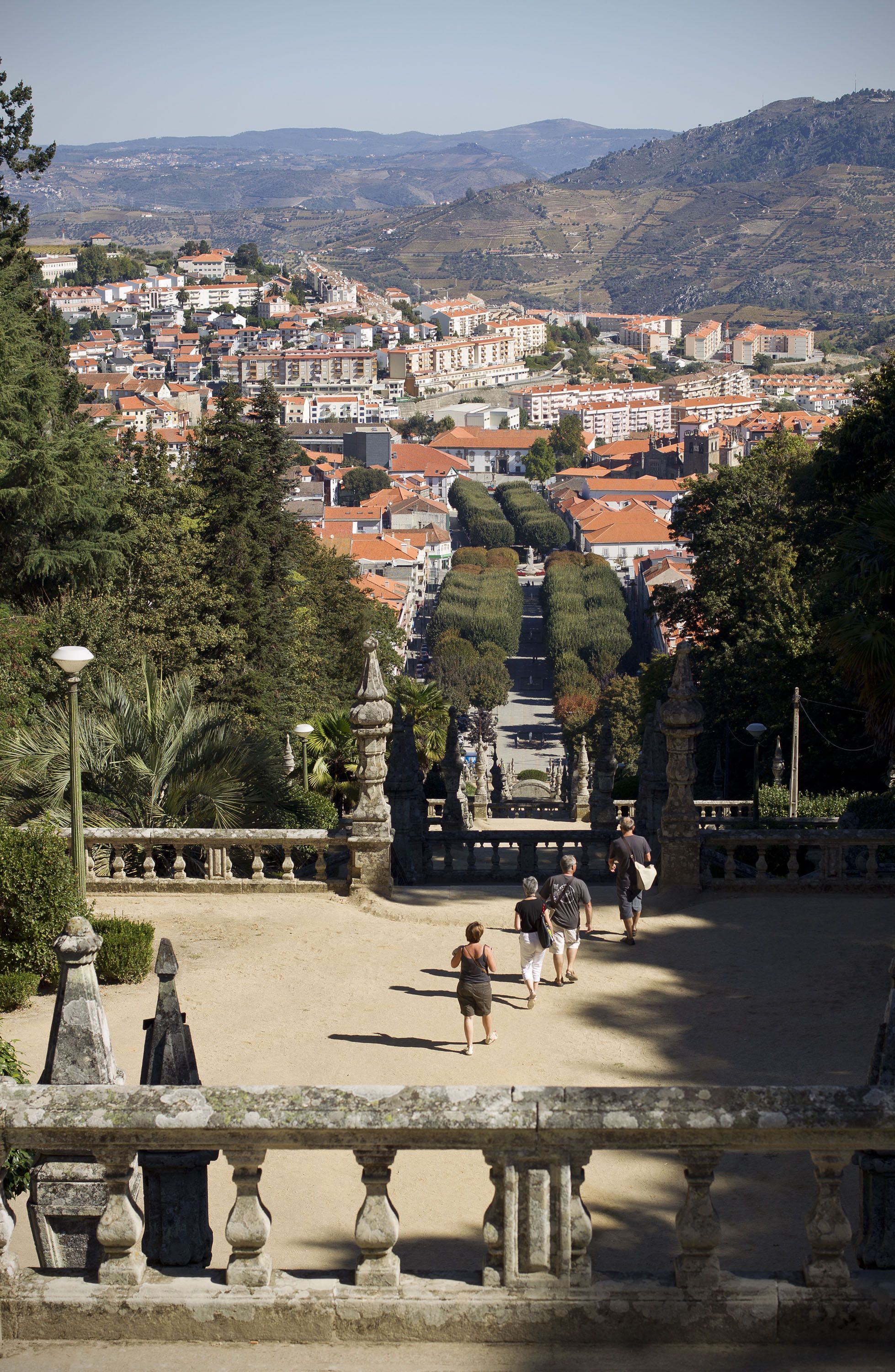
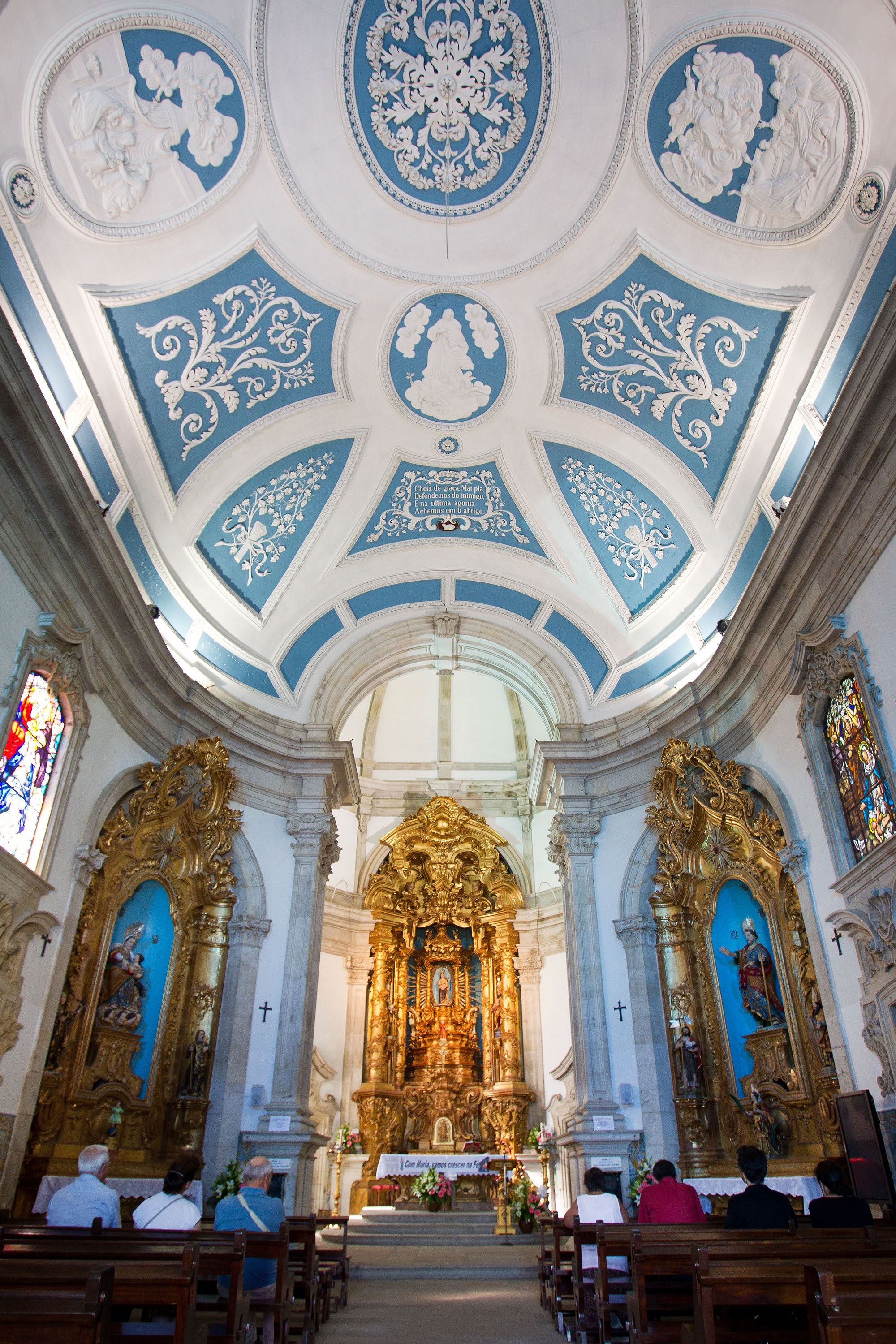
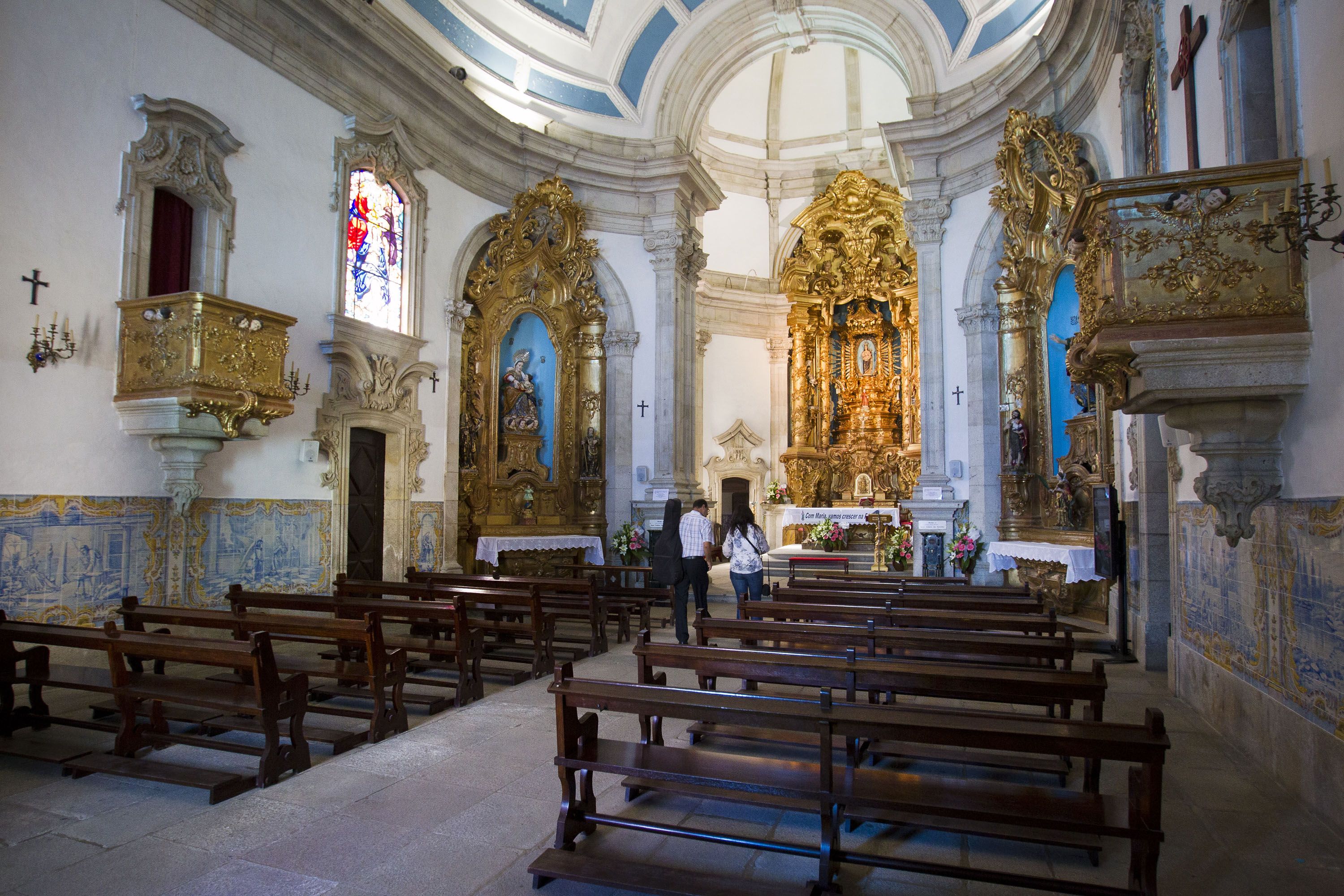
The "Pilgrimage of Portugal", considered in 2020 to be one of the 7 Wonders of Popular Culture in Portugal, takes place every year in September, with its highest point on the 8th with the Majestic Triumphal Procession in Honor of Nossa Senhora Da Remedies. The Sanctuary's façade is in the Baroque style and is flanked by bell towers. Inside, the main altar bears the image of Nossa Senhora Dos Remedios, carved in wood, and three stained glass windows with the images of Nossa Senhora Da Conceição, the Sacred Heart of Jesus and the Annunciation. The side altars are dedicated to the Virgin's parents and the walls are covered with tiles depicting the Virgin's life. The staircase leading up to the shrine, with 686 steps, has several levels where the kings of Israel stand, and at the base of the staircase, four figures represent the four seasons of the year.
The project for the Park of Nossa Senhora Dos Remedios is dated March 11, 1876 and was signed by the French architect A. Vaillaut. The memorandum deals mainly with the structure of the space and is silent on the trees that should decorate it. Among several proposals was a suggestion that was never realized: the placement of a large statue of Nossa Senhora Dos Remedios on the highest peak of the Tower. This image would shine over the city through a lighthouse at its feet. It should be remembered that, at this time, there were still no towers on the Sanctuary.
The architect was therefore thinking of the tower that existed next to the Chaplain's House, now the Hotel Parque. But he could also have had in mind the first tower that was to be built in 1880. However, it took more than twenty years for the project to come to fruition. It was, in fact, on March 22, 1898 that the Brotherhood (represented by Judge António Pinto Aires de Lemos) signed a contract with the Real Companhia Hortícola Portuense (present in the person of its director Jerónimo Monteiro da Costa).
At that time, the construction of the Central Career Lake and the São João Grotto was already planned. The total price of the forest was estimated at ten contos de réis, paid back in twenty installments, due on September 30th of each year. Work began on April 4th, but was suspended on July 2nd. The Civil Government's approval was still lacking. Work didn't start again until April 3rd of the following year and was marked by a number of mishaps. The first planting was destroyed by cattle and vandalism. The chaplain asked for the planting of trees near his home to be stopped.
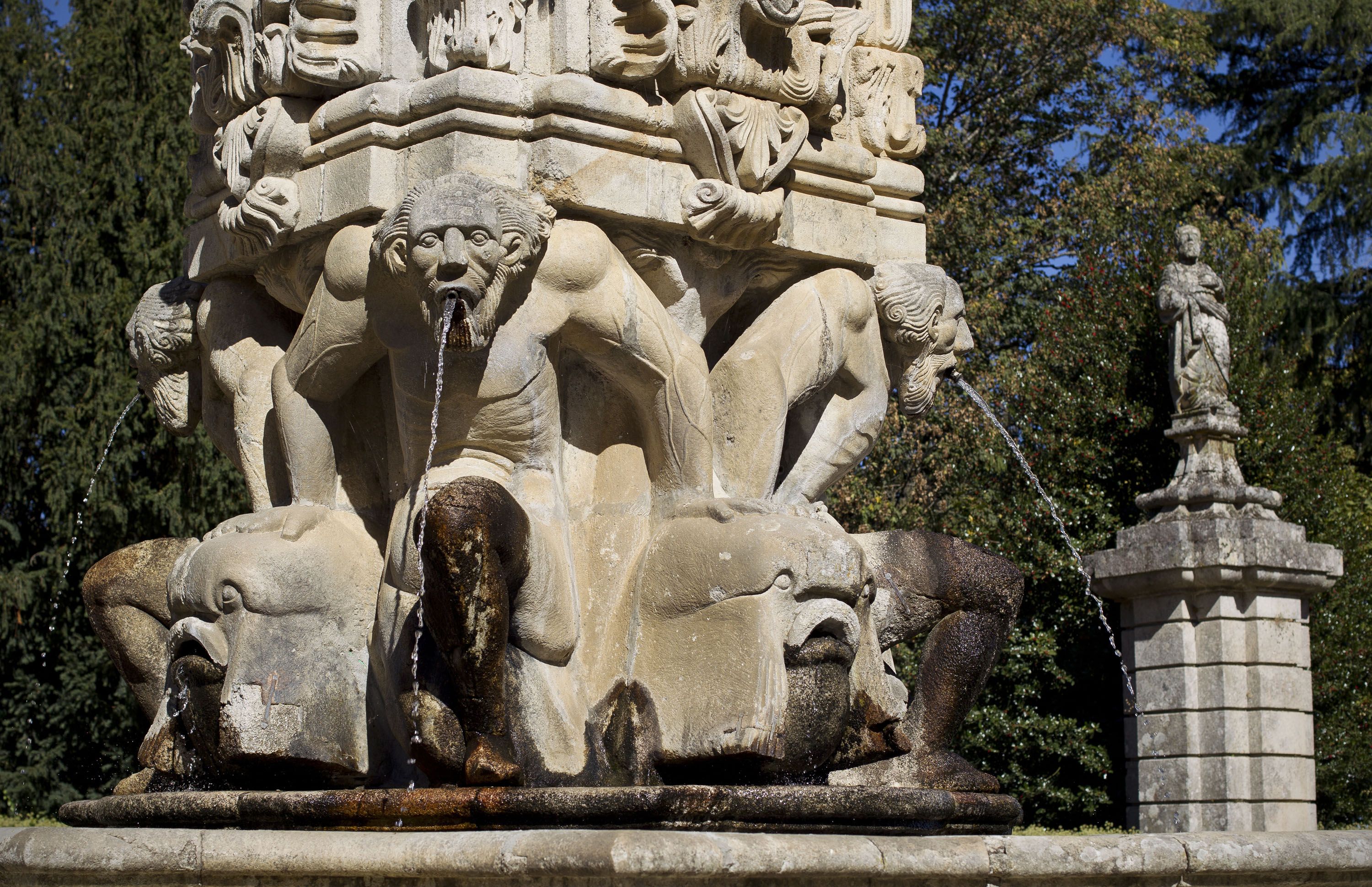
He claimed that he needed the land to grow vegetables and other products he needed to support himself. As if that wasn't enough, there were several disagreements between the Brotherhood and the Companhia Hortícola Portuense. The Gruta da Carreira Central, which was supposed to be finished by the 1898 festivities, was only inaugurated in October 1899. At that time, the afforestation was still underway and would only be completed in February 1901. Even then, the Brotherhood believed that "within a few years, the forest would certainly be the first in the country". This entire park, covering an area of 187,000 square meters, is classified - along with the Sanctuary and the Staircase - as a "building of public interest". Of particular note is the Fountain, a project by Nicolau Nasoni, built in 1738, as shown in the engraving visible at the top, which predates the current Sanctuary.
The stonework altarpiece is very well designed and has two spouts that spout water uninterruptedly, and there is no memory of them ever running dry. At the top is a cross adorned on the side by two fleurs-de-lis. Below and in the center is a smooth oval-shaped panel where, according to some records, there were once inscriptions in golden letters. This fountain was moved to this spot from the churchyard of the old chapel built by Bishop Manuel de Noronha and the water comes from two mines located above the park.


