

What to visit
Patrimony
Lamego Cathedral

To save the location as a favorite, you need to have an account
LoginNew around here? Let s go create an account
Description
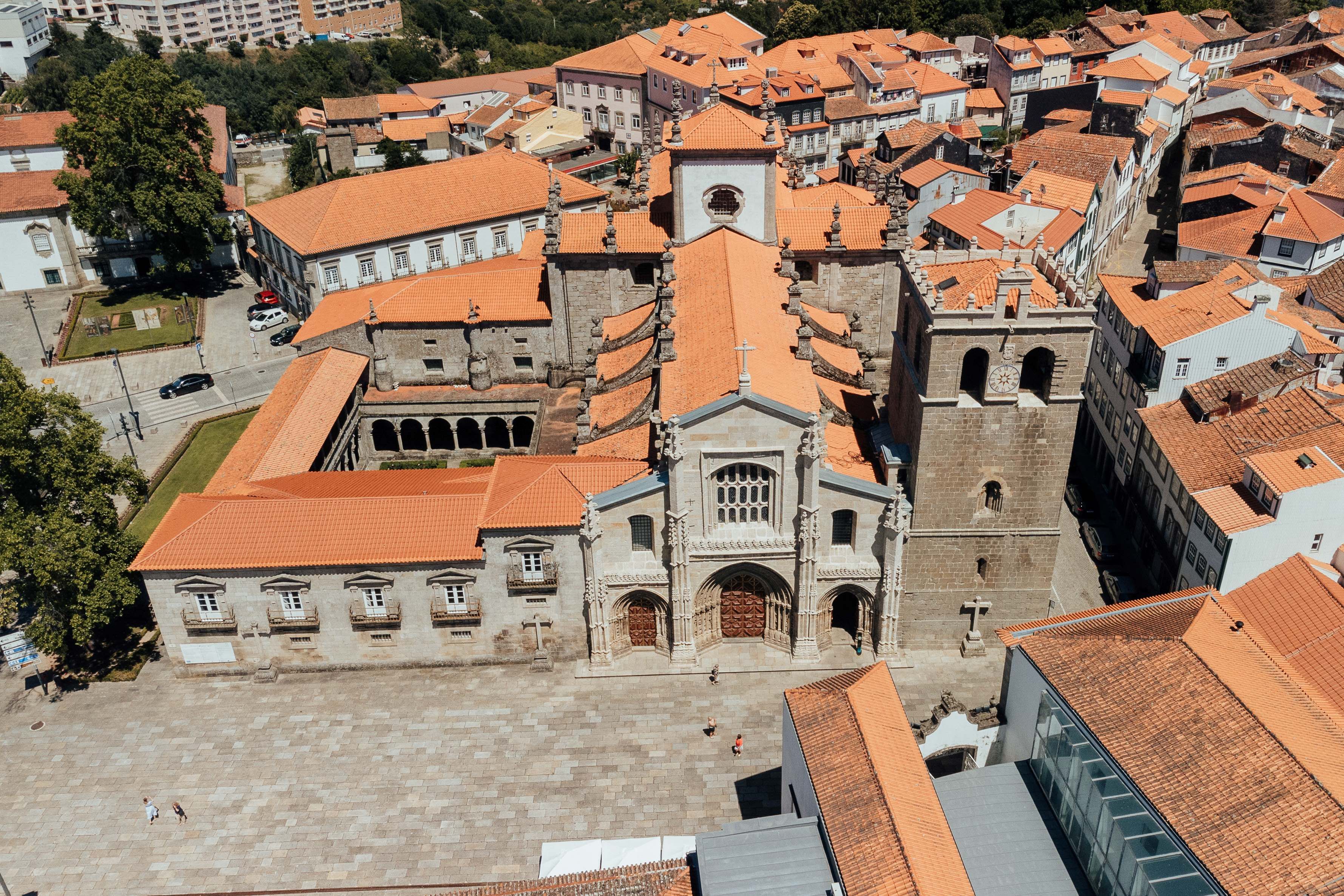
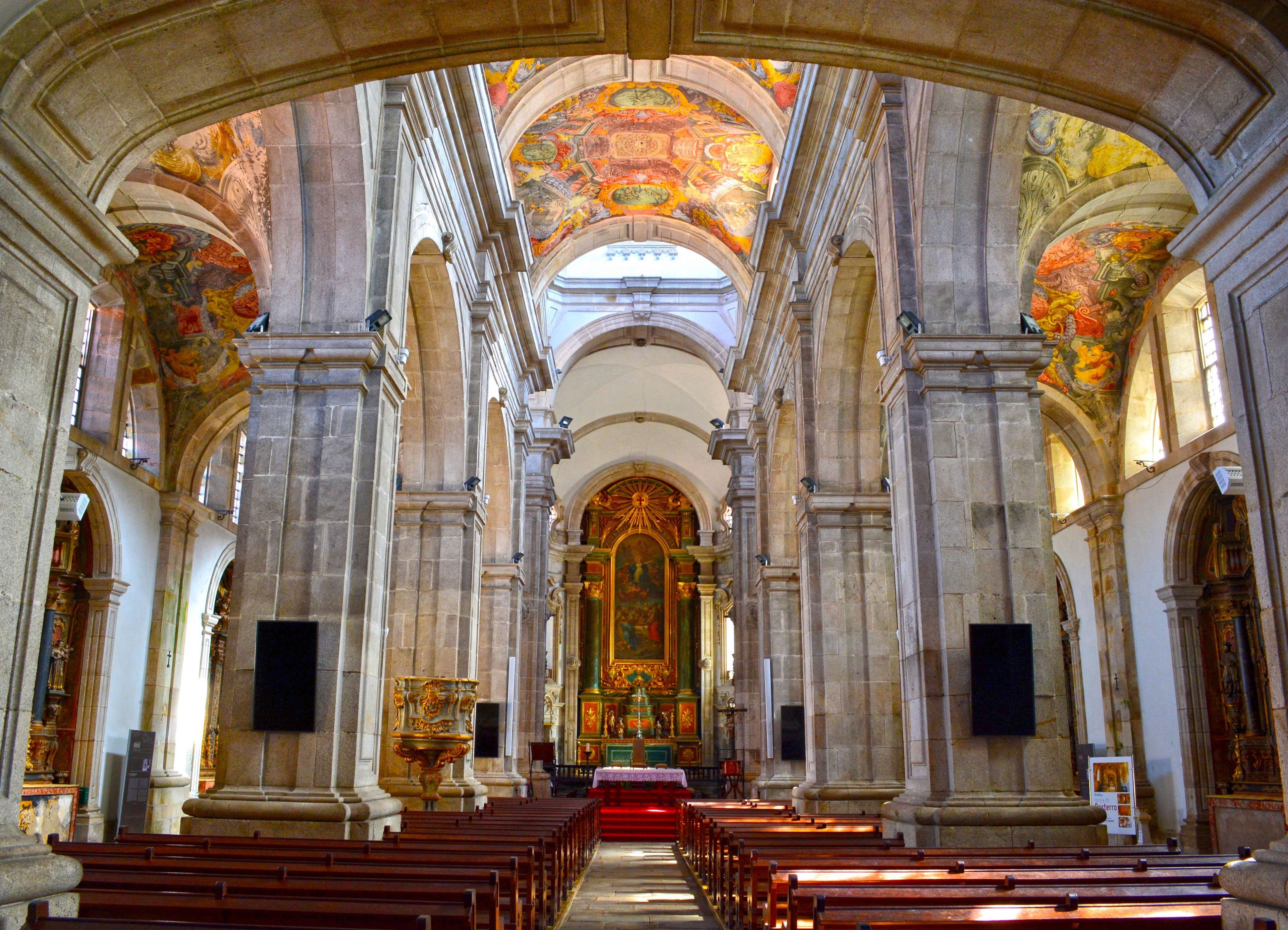
The Cathedral was built in the Romanesque-Gothic period and underwent successive reconstructions in the Manueline, Mannerist and Baroque periods, sponsored by the bishops and the Chapter. It retains its original Romanesque tower, Manueline façade and cloister chapels, with Mannerist spans in the naves, a style also developed in the cloister structure, and a Baroque chancel. The complex consists of a church with a Latin cross floor plan made up of three staggered naves, each with four sections divided by cruciform pillars, a prominent but undeveloped transept, illuminated by a lantern tower, and a Baroque transept with an adjoining sacristy and chapel.
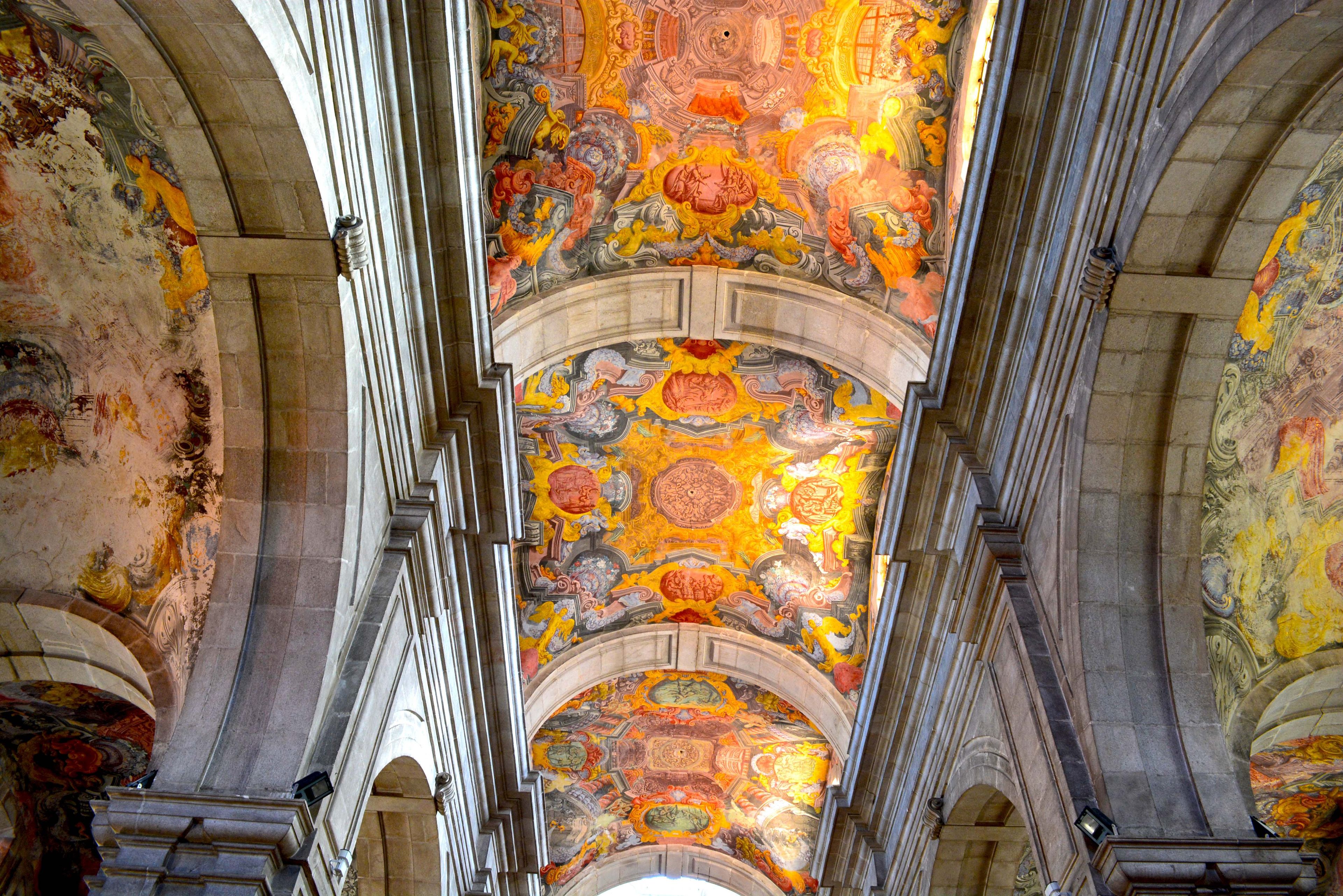
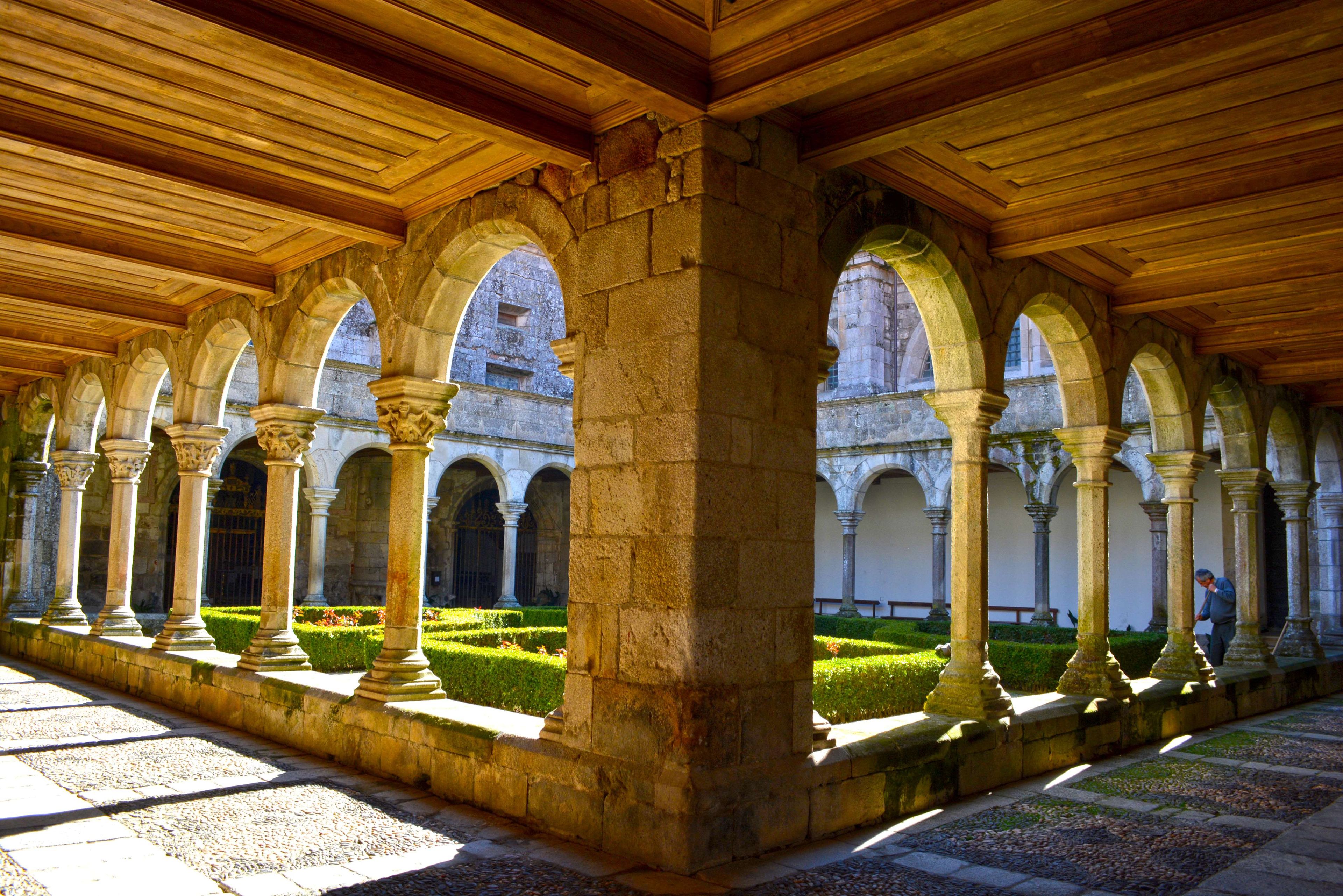
On the left side, there is a square tower with scarce and reduced fenestrations, the only vestige of the original construction, and on the opposite side, there is a small quadrangular cloister, with two floors and private chapels in some wings. The church has differentiated interior roofs, with false barrel vaults in the central nave, which are externally buttressed, and chancel and side aisles, those of the body of the temple painted in Baroque trompe-l'oeil. It is uniformly illuminated by Baroque windows and Mannerist thermal windows, which open onto the side façades.
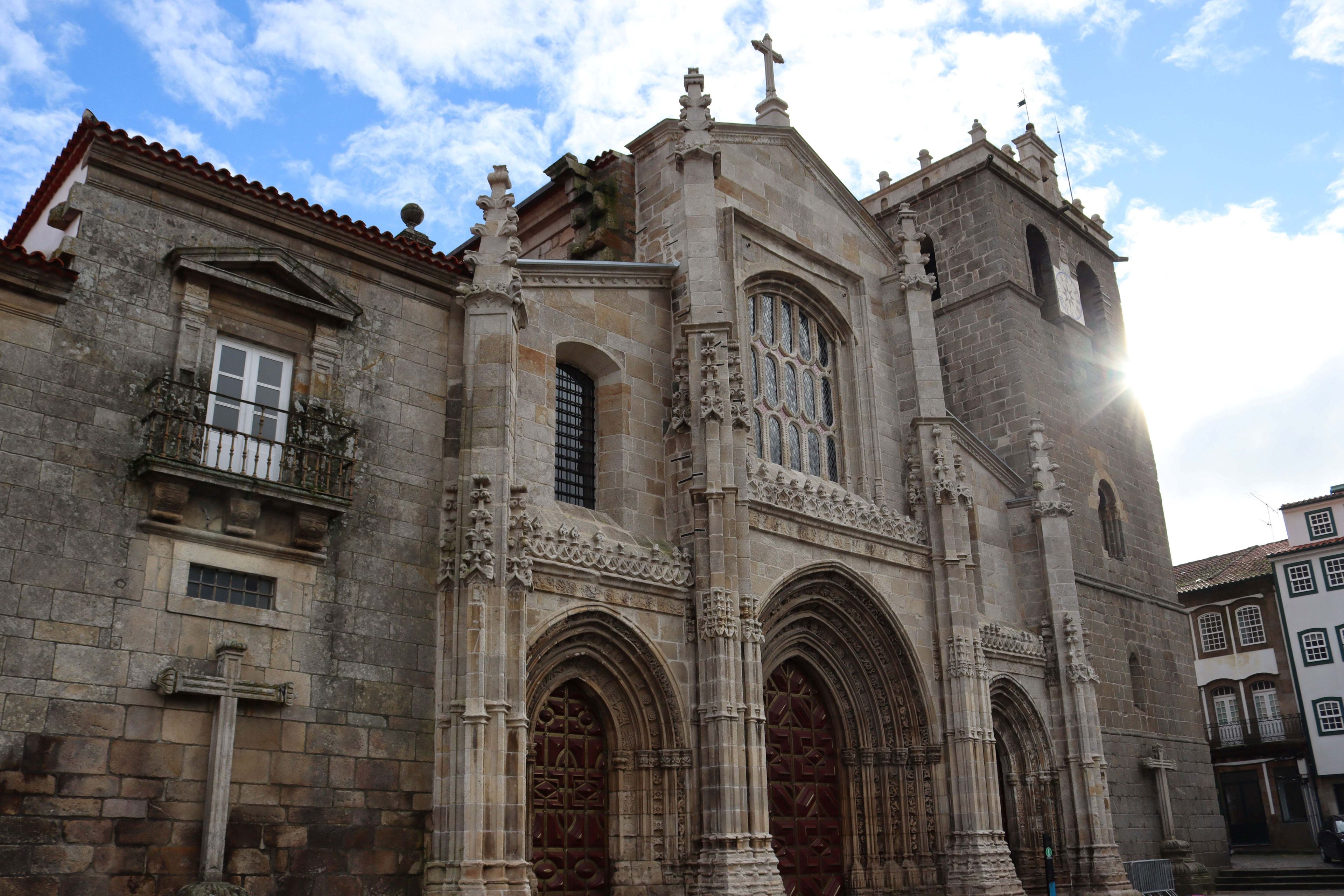
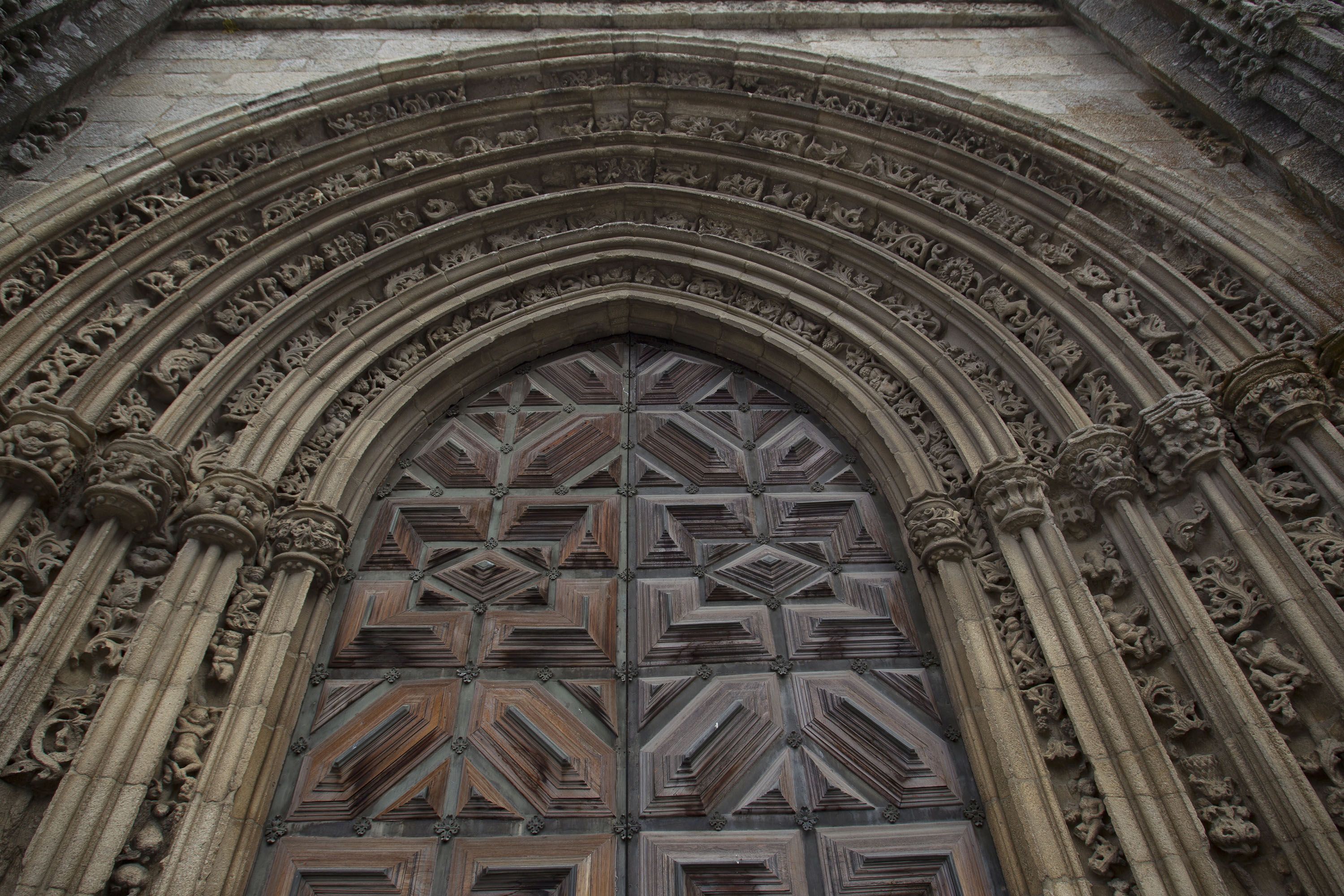
The façades are made of exposed granite masonry, topped by a frieze and cornices, with simple buttresses. The main façade reveals the internal structure of the three naves, divided by three concave porticoes with pointed arches, formed by several archivolts resting on thin columns with plenty of Manueline plant decoration, topped by depressed arched windows. The bell tower is of Romanesque construction, quite robust and heavy, evolving in four registers, the upper ones renovated in the 1600s.
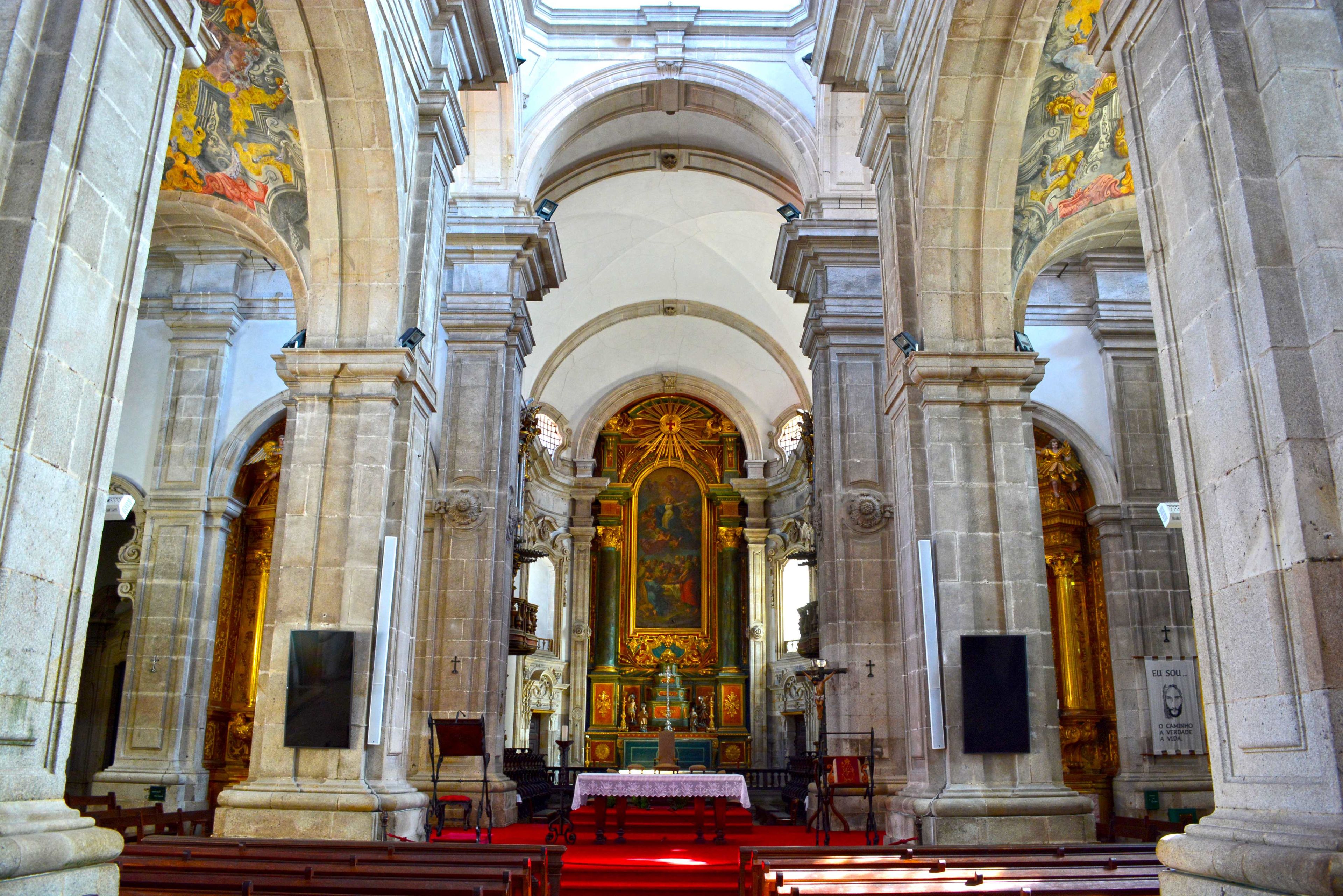
The interior has a large choir, extending over the three naves, with a chancel, a pulpit attached to one of the Gospel pillars, rococo, and altar chapels to the front, with rococo gilded woodwork structures, a style shared by the other altarpieces and gilded woodwork structures in the church. Quadratura paintings on the sections of the nave vault, framing biblical scenes. There are several tombstones with inscriptions documenting interventions, as well as epigraphed and armored graves.
Deep, baroque chancel, with a strong scenographic effect, outside and inside, designed by Nicolau Nasoni, with three sections, divided by tribunes, including an armchair and two facing organs, with a symmetrical structure with three castles and niches, the first topped by large sculptures. The altarpieces are profusely decorated, opting for various types of plan, straight or convex, helping to make the space more dynamic, and some of them have fronts with traces of painting. The Chapel of the Blessed Sacrament is attached to the chancel on the Epistle side and stands out for its exuberant decoration and rococo silver frontal.
Sacristy on the right. The two-storey cloister, in two wings, retains two of the original private chapels, built for funerary purposes, with the decoration intact, although one of the original invocations has been altered, with Mannerist railings, gilded woodwork and tiles. The chapel of St. John the Baptist has a Manueline star vaulted roof, tiles and carved altarpieces in the national style.


