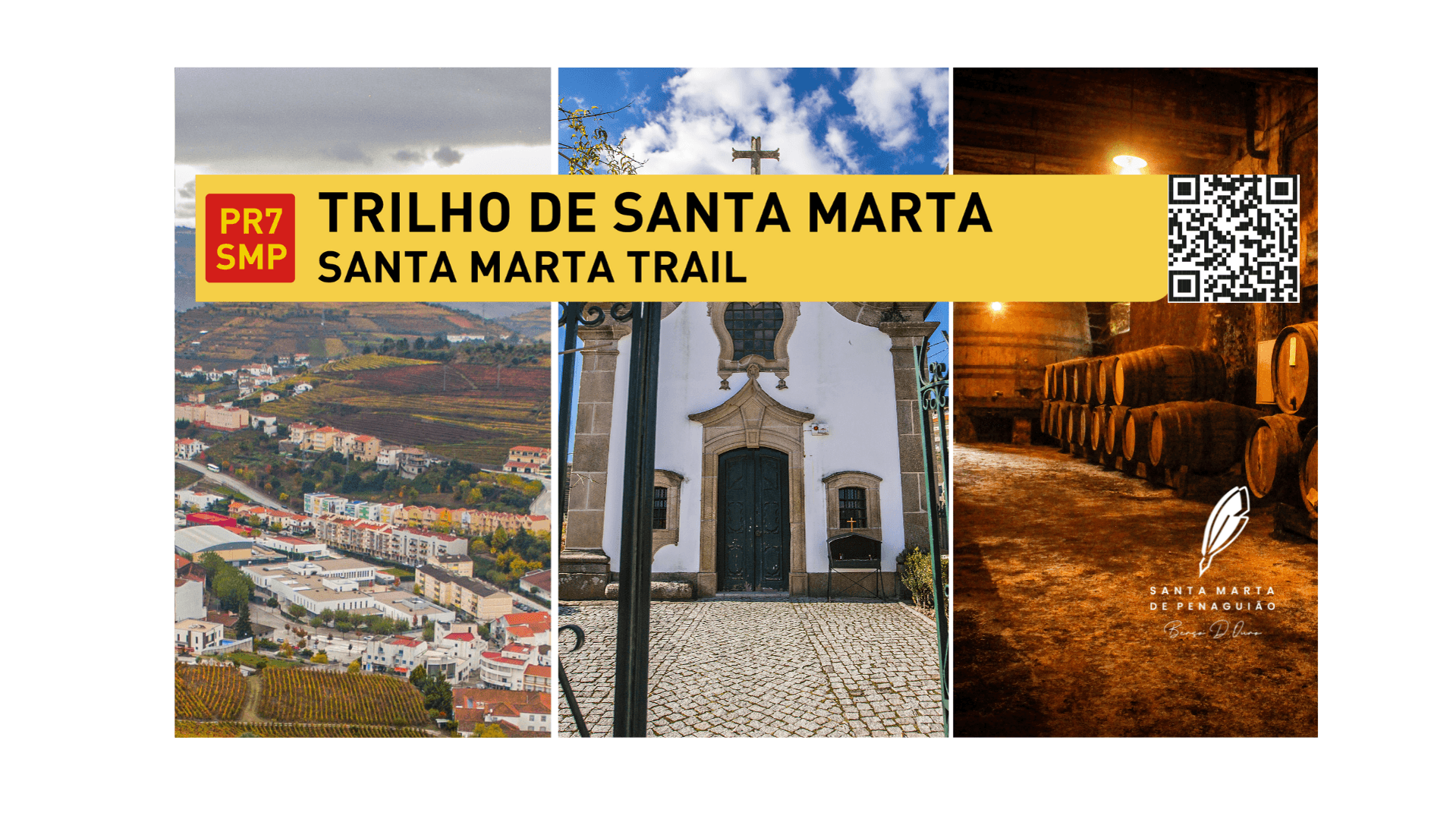
PR7 SMP Trilho de Santa Marta

To save the location as a favorite, you need to have an account
LoginNew around here? Let s go create an account
Description
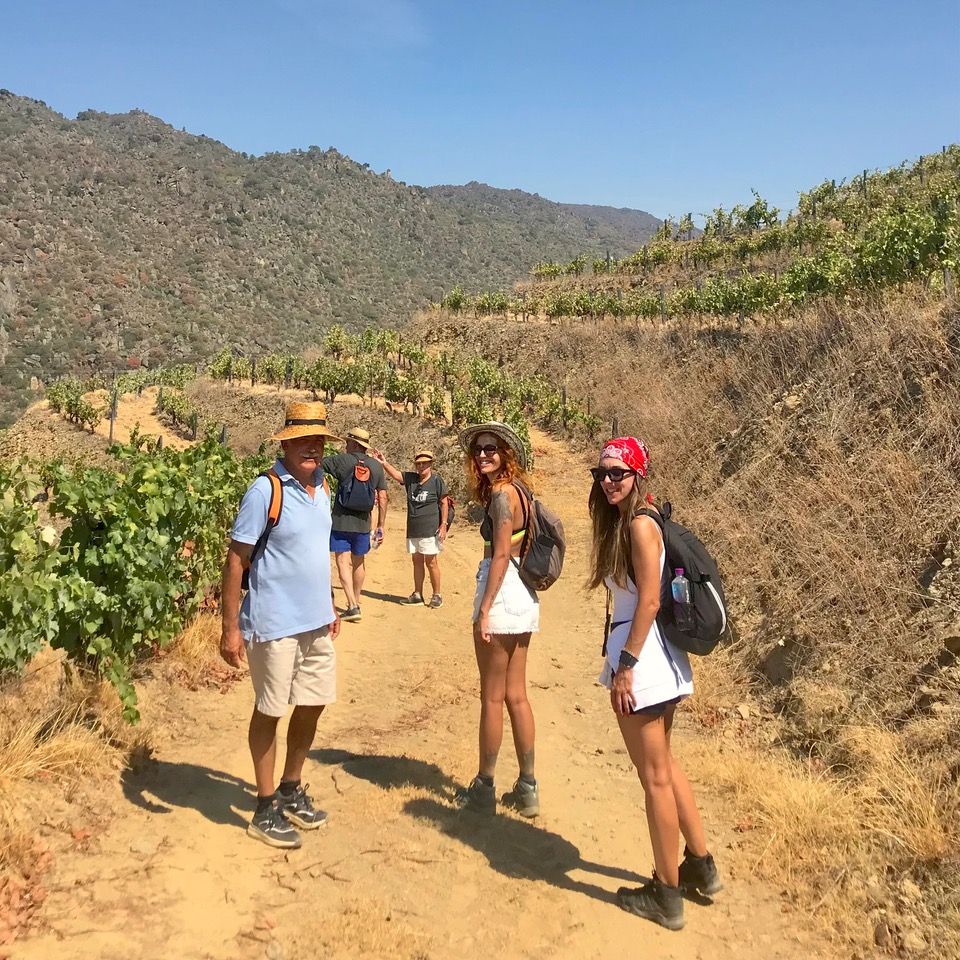
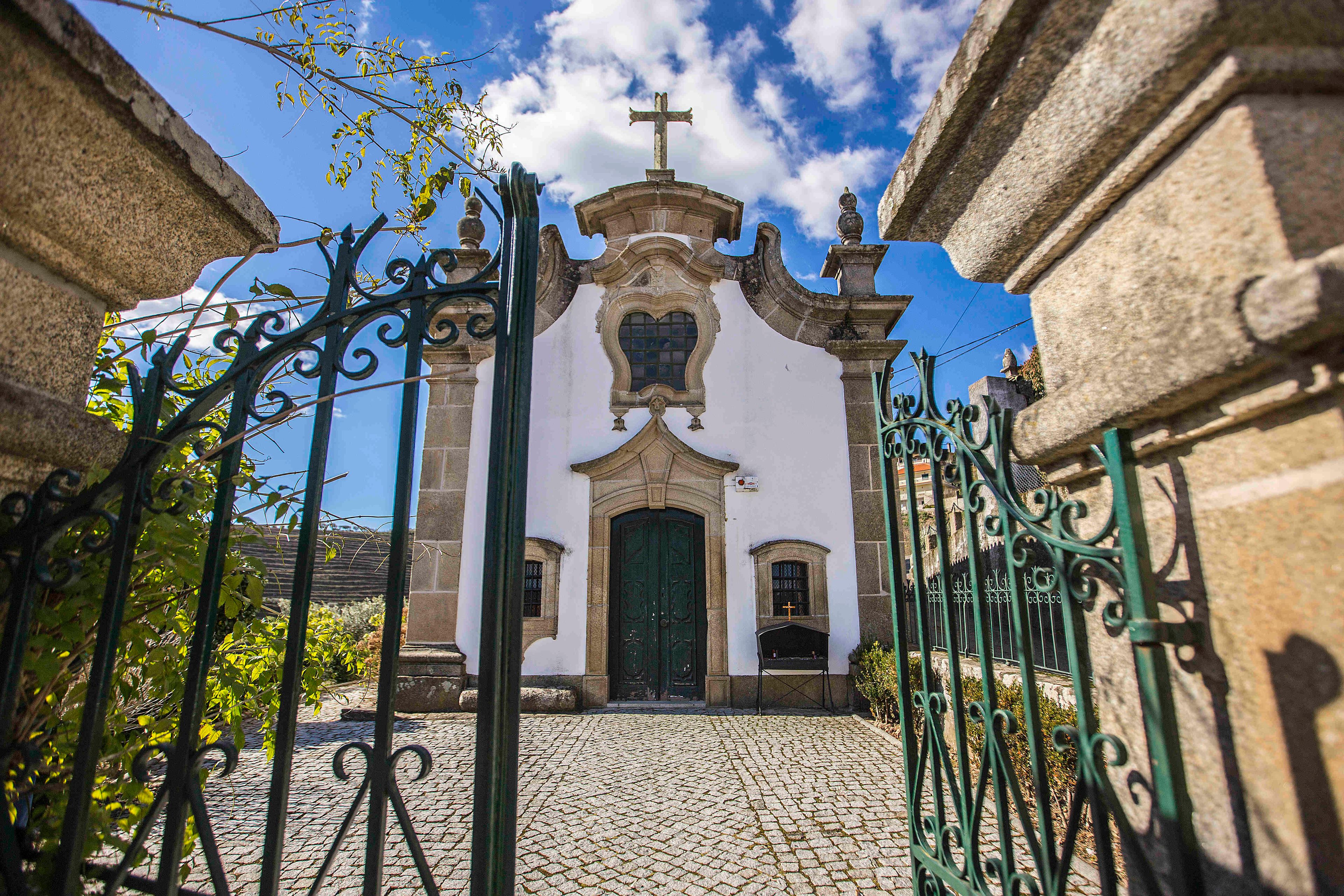
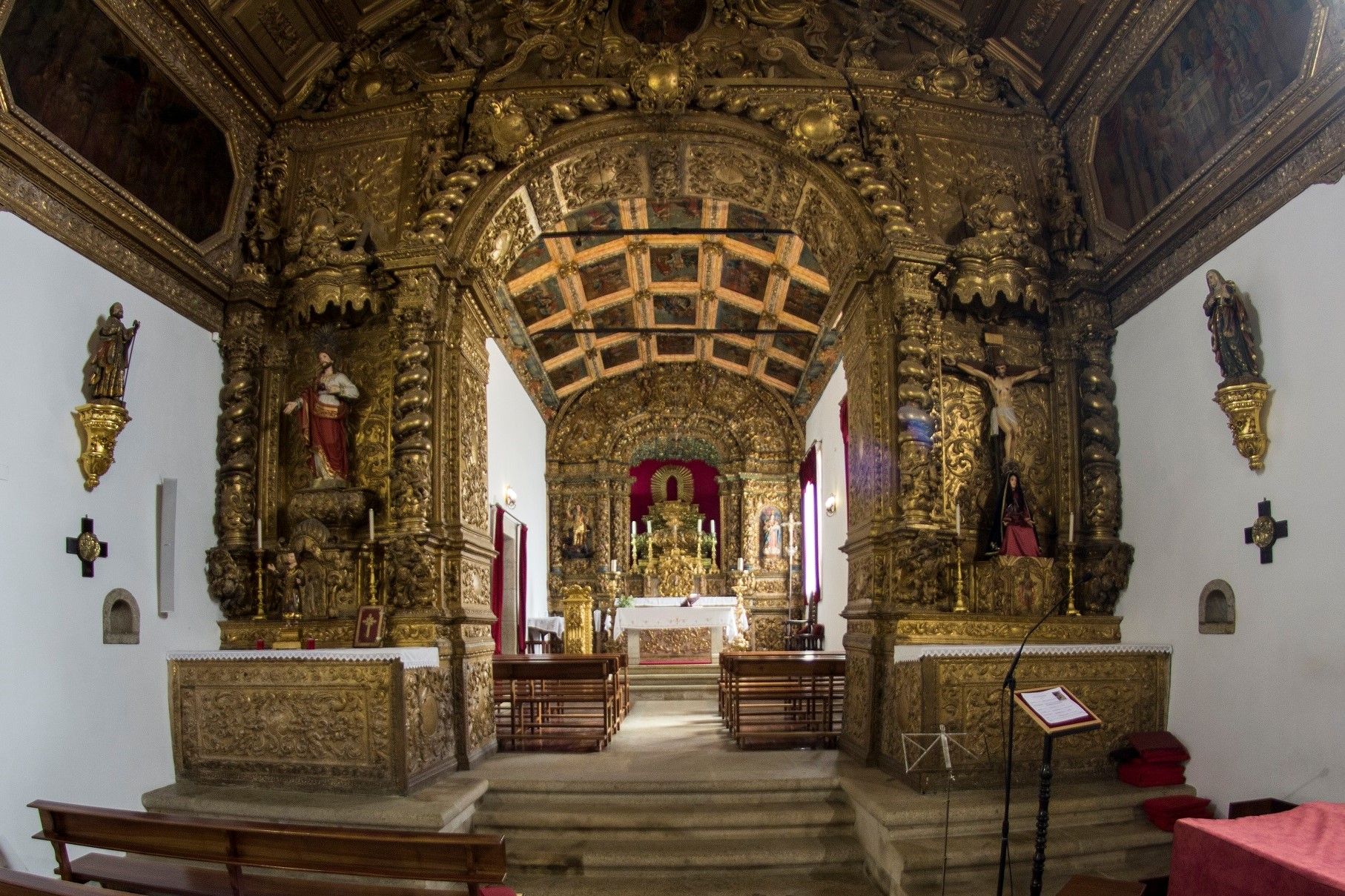
The Santa Marta Trail is a pedestrian trail of Small Route (PR). Starting right in the center of the village, next to the homage monument to the man of the vine, O Cavador, this trail provides us with the most beautiful landscapes of the vineyards. Cultural, historical, religious and wine heritage are a constant in this journey.Still within the county centre, we discover the Chapel of the Demarcated Douro Region Patron, Santa Marta, a simple temple but of high importance due to its patron.
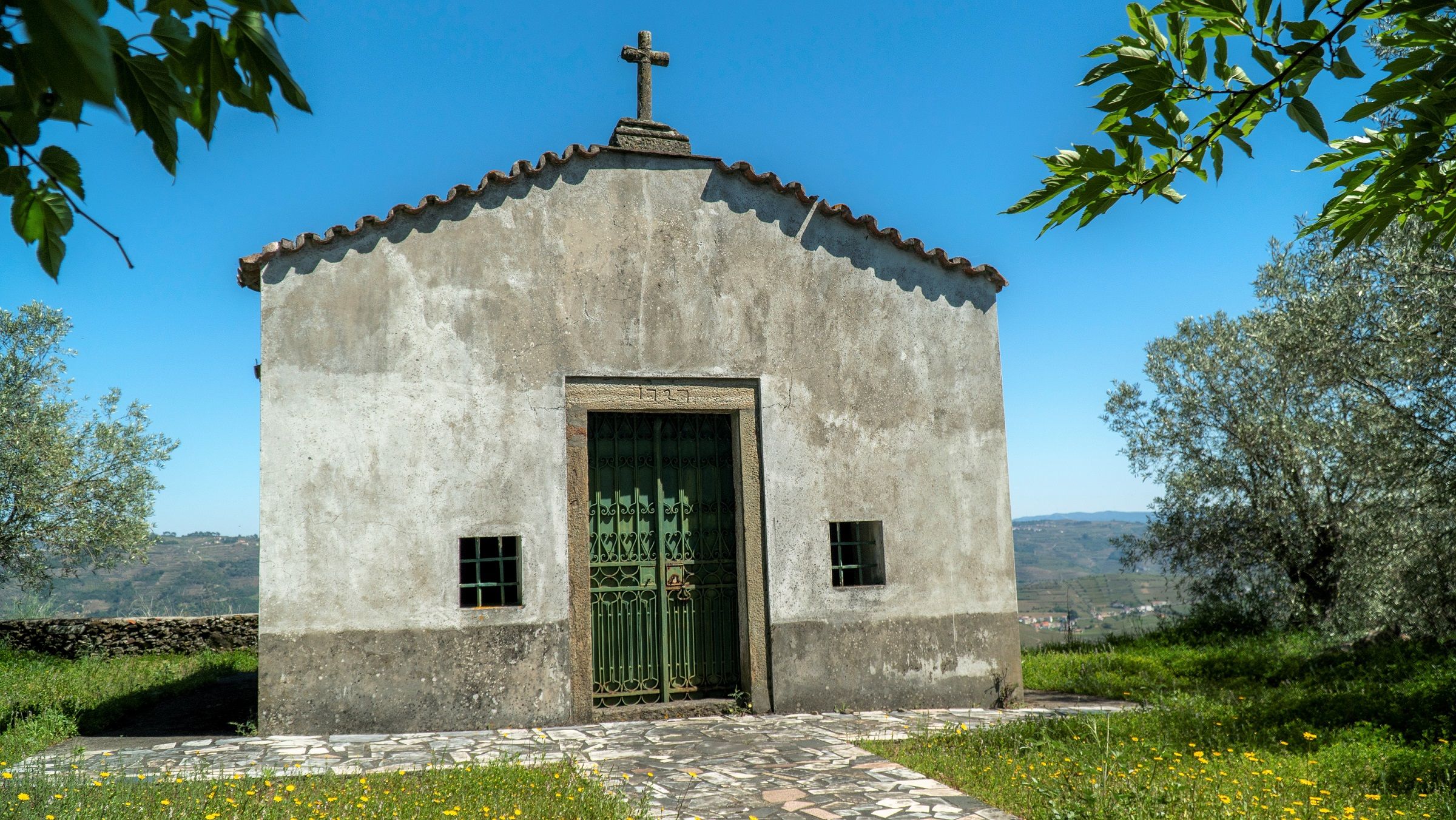
The trail leads us through some narrower paths, reminiscent of the paths once used by men to transport grapes from the highest lands or from the lowest valleys to the place of Santa Marta. When you arrive at the Chapel of Santa Ana, in Sanhoane, you take a break to observe the landscape, which stretches from the Douro to the Corgo(river), between the golden colors of autumn, or the green of spring. When descending to Sanhoane, the historic houses, emblazoned, lead us to another tight path that leads us to Bom Viver. So far we have crossed 3 or 4 farms, where we can stop and taste the good wine that is produced in this area. Vines are a company along this trail.
Kms per day
Day 1 -
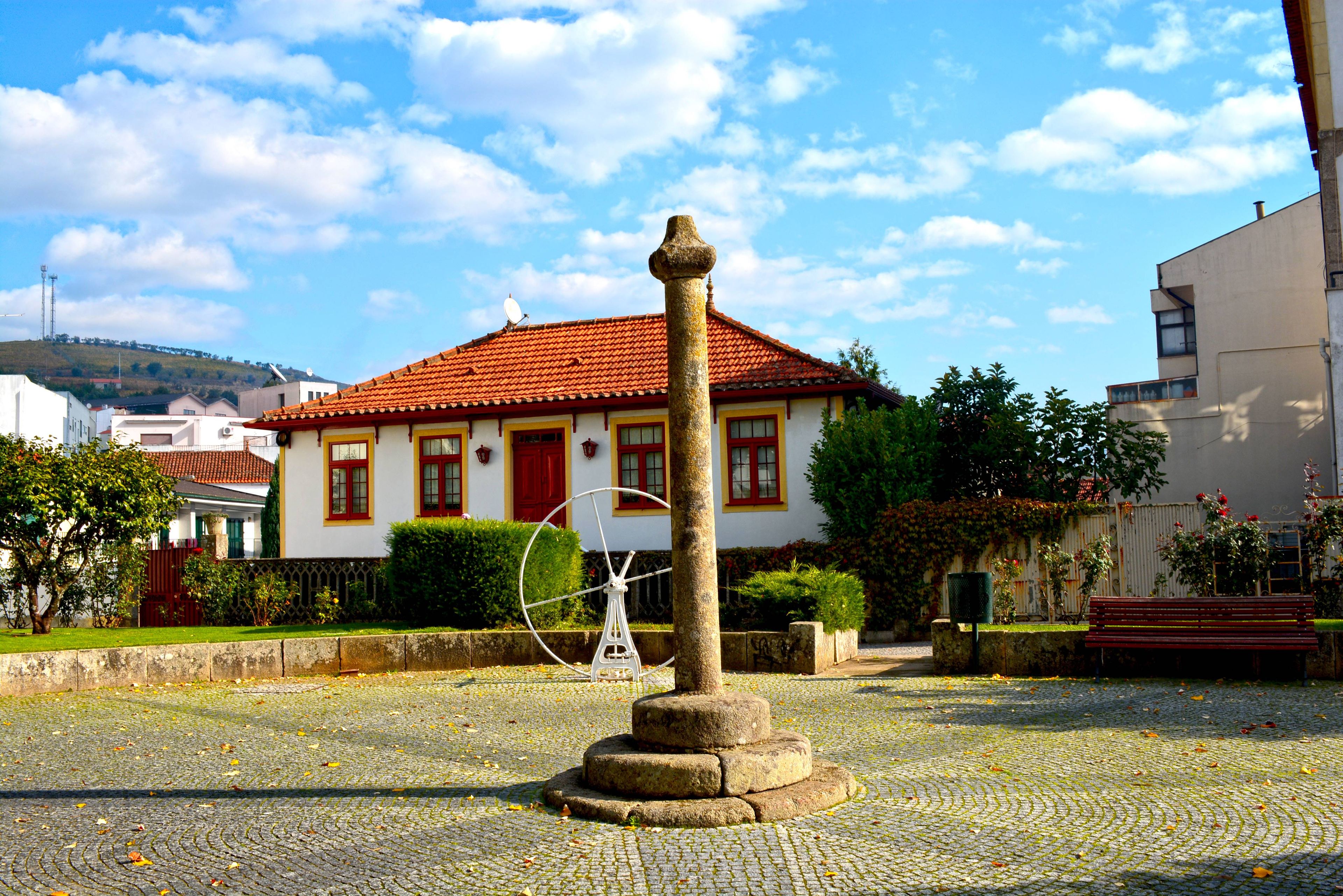
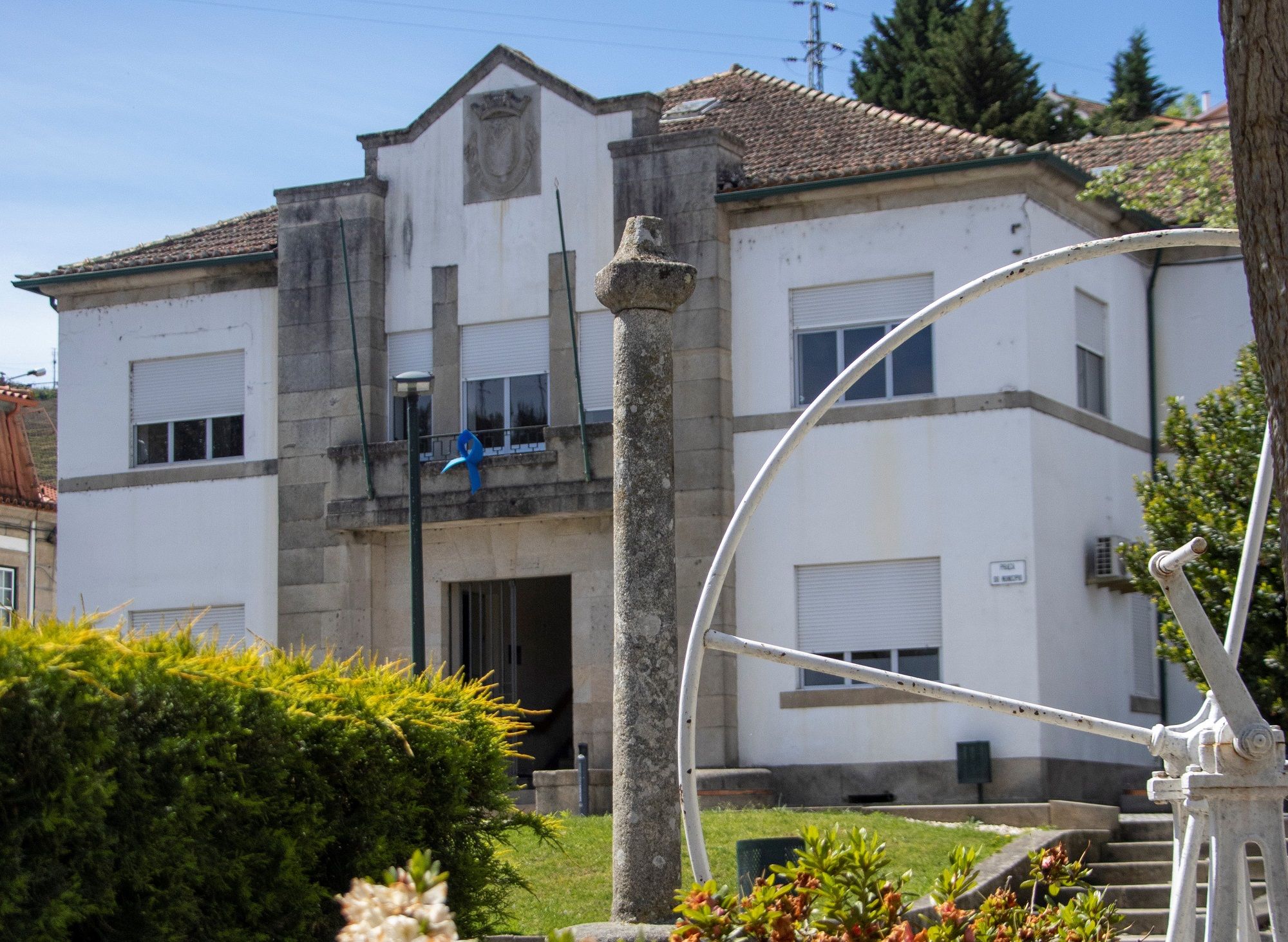
- Pelourinho
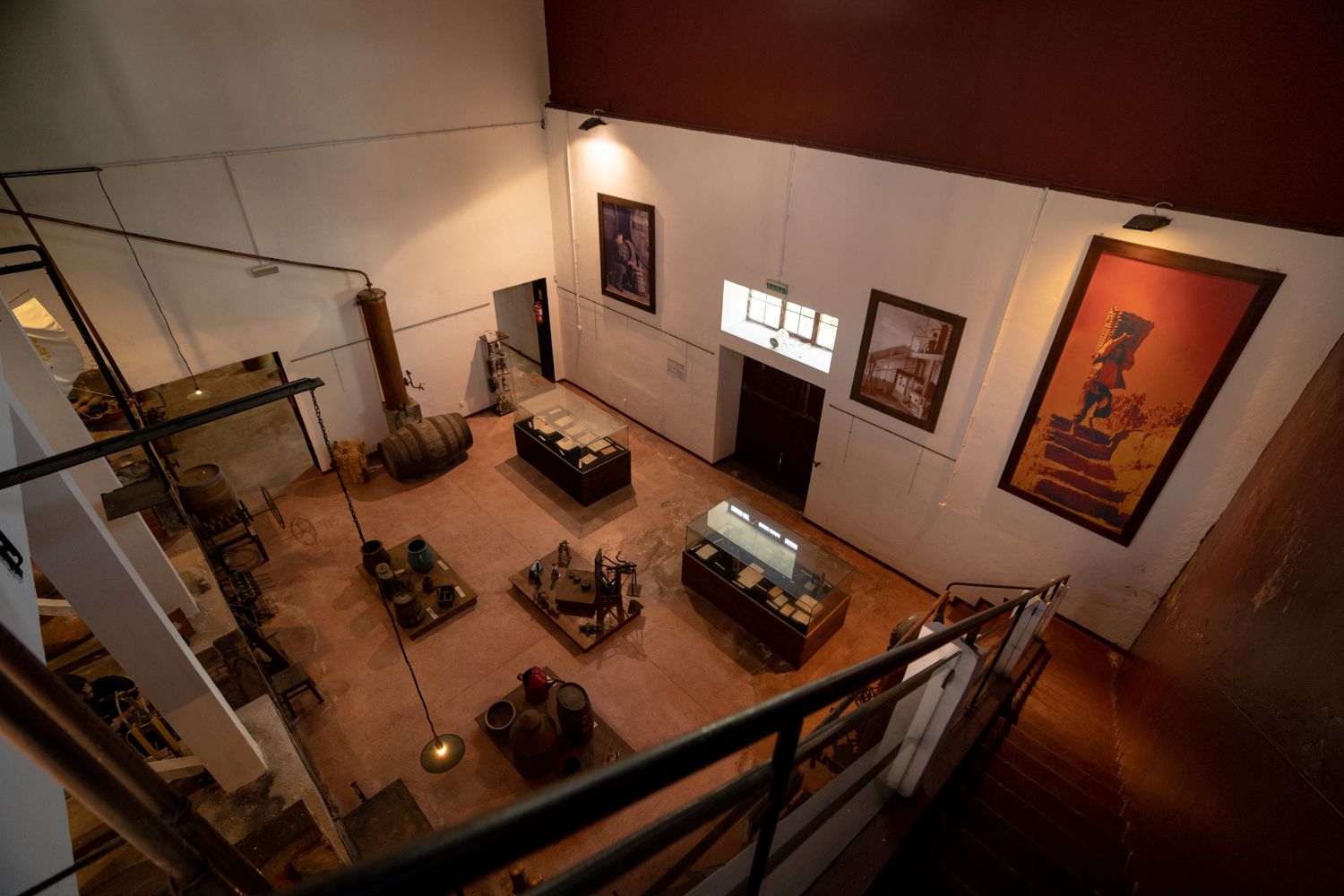
- Museu das Caves Santa Marta
- Capela de Santa Marta
- Capela de Santa Ana
- Igreja Matriz de Sanhoane
Recommendations
Santa Marta – Legend
Legends are legends. Sometimes with some historical basis, other times not really. They usually try to find an explanation for the origin or meaning of certain toponyms, locations, or even events. More or less naive, simple or complex, they are all delightfully popular.
In the case of Santa Marta de Penaguião, the best known and most celebrated, it even assumed a prominent place in the stained glass window that Lino António painted in 1945 to appear on the noble staircase of the Casa do Douro, in Peso da Régua, with its representation located iconographic on the left side of the central panel.
This legend is recreated every year in this same village on the night of July 29th.
A certain unknown French knight, a certain Count of Guillon, having invaded these lands, ordered the chapel of Santa Marta to be burned. After the sacrilegious act was completed, the Saint appeared to dictate the punishment: that he plant a vineyard and take care of it. Regretful and humiliated, he did not even want to see the apparition and, bent over, covered his eyes with his hands, but when he discovered them, he had at his feet a raven, a prophetic and sacred bird, according to ancient beliefs, a symbol of the bad omen he senses. death with its croak. The contrite count completed the hard penance, and was filled with joy at harvest time, because he had never produced anything in his life. He then remembered to offer the Saint the grapes, the fruit of his sweat, and instead of a crow, white doves and a lamb appeared to him, symbols of purity and reconciliation. I was forgiven. And, since then, the town began to have a name: Santa Marta de Pena (punishment) de Guillon. Which, according to popular translation (and tradition), came to be called “Santa Marta de Penaguião”(…)
Tips
At Quinta do Pinheiro, in the village of Sanhoane, Santa Marta de Penaguião, you can find a century-old Cypress (Cupressus sempervirens L.)
Located in a Solar do Douro with wine production, it is an example, located in a forest with several trees of some size, estimated to be 150 years old, 22 meters high and was classified on March 10, 1993 as a Tree of Public Interest.
Santa Marta – Patroness
Martha appears in the Gospels (Luke 10, 38-42, John 11, 1-44 and 12, 1-11) as being the sister of Lazarus and Mary, the three friends that Jesus Christ had in the village of Bethany, a few kilometers from Jerusalem, and in whose house he normally spent the night, when he walked around the city, or went to preach at the Temple. Marta – a name that in Aramaic means “master” or “mistress” – is referred to as a hard-working and hard-working woman, unlike her sister who preferred to sit at the Master's feet, listening to his words. Therefore, in her iconographic representation, she appears as a diligent housewife, being represented with a broom, a ladle, a bunch of keys. Attributes – perhaps more of the idea and influence of Frei João de Mansilha! – Which led to her being, in 1756, also declared the Patron Saint of the Douro Demarcated Region and of the Companhia Geral de Agricultura das Vinhas do Alto Douro.
No. of people:
Total days:
1Total kilometres:
6.9 KmTotal Points of Interest:
14Points of interest on this itinerary